


What Is the Latest Treatment for Erectile Dysfunction (ED)?
Erectile dysfunction (ED) is one of the most common male sexual health concerns worldwide, affecting men of all ages but particularly those over 40. It is characterized by the consistent inability to achieve or maintain an erection sufficient for satisfactory sexual performance.
In recent years, scientific advancements have significantly expanded the range of available therapies for ED. Modern medicine has evolved from symptom-based management toward regenerative and restorative solutions that aim to improve natural erectile function.

1. Understanding Erectile Dysfunction
Before discussing the latest treatments, it's essential to understand why erectile dysfunction occurs.
ED can result from one or a combination of the following factors:
Vascular causes: Poor blood flow to the penile tissues due to blocked or narrowed blood vessels.
Neurogenic causes: Nerve damage after surgery or due to diseases such as diabetes or spinal injury.
Hormonal causes: Low testosterone levels or endocrine disorders.
Psychological causes: Stress, anxiety, depression, and relationship issues.
Lifestyle-related causes: Smoking, alcohol abuse, lack of exercise, obesity, and poor diet.
Because ED can be a symptom of other health problems - particularly cardiovascular disease and diabetes - early diagnosis and medical evaluation are essential.
2. Conventional Treatments: The Foundation of ED Care
(1) Lifestyle modification
Lifestyle management remains the first step in treating ED. Improving diet, exercising regularly, quitting smoking, and controlling blood sugar and cholesterol levels can enhance vascular health and improve erectile performance naturally.
Regular aerobic exercise is particularly beneficial, as it increases blood flow and nitric oxide production, both crucial for erection.
(2) Oral medications
For more than two decades, oral medications that enhance the effect of nitric oxide in penile tissue have been the most widely used treatment for ED. They work by relaxing the smooth muscles and increasing blood flow to the penis.
Although these medications are effective for many men, they require sexual stimulation to work and may not be suitable for individuals with certain cardiovascular conditions or those taking nitrates.
(3) Hormone replacement therapy
In men with low testosterone levels, hormone replacement can help restore libido and improve the response to other ED treatments. Hormone testing is important before initiating this therapy to ensure it is appropriate.
(4) Vacuum erection devices
Vacuum devices use negative pressure to draw blood into the penis. A constriction ring is then placed at the base to maintain the erection. This mechanical solution is safe and noninvasive, though some men find it cumbersome for regular use.
(5) Intracavernosal or intraurethral therapy
Direct injection of vasodilating medications into the erectile tissue can produce a strong and reliable erection for many men. Intraurethral suppositories are a less invasive option. Both are typically recommended when oral medications are ineffective.
(6) Penile implant surgery
When all other treatments fail, surgical implantation of a penile prosthesis remains an effective option. Implants can be semi-rigid or inflatable, allowing patients to control erection manually. Surgery has a high satisfaction rate when performed by an experienced urologist.
3. The New Frontier: Regenerative and Noninvasive Therapies
In the past decade, ED management has entered a new era. Instead of simply managing symptoms, researchers now focus on restoring the natural erectile function by repairing vascular, neural, and tissue damage. The following represent the latest and most promising treatments.
(1) Low-Intensity Shockwave Therapy (LiSWT)
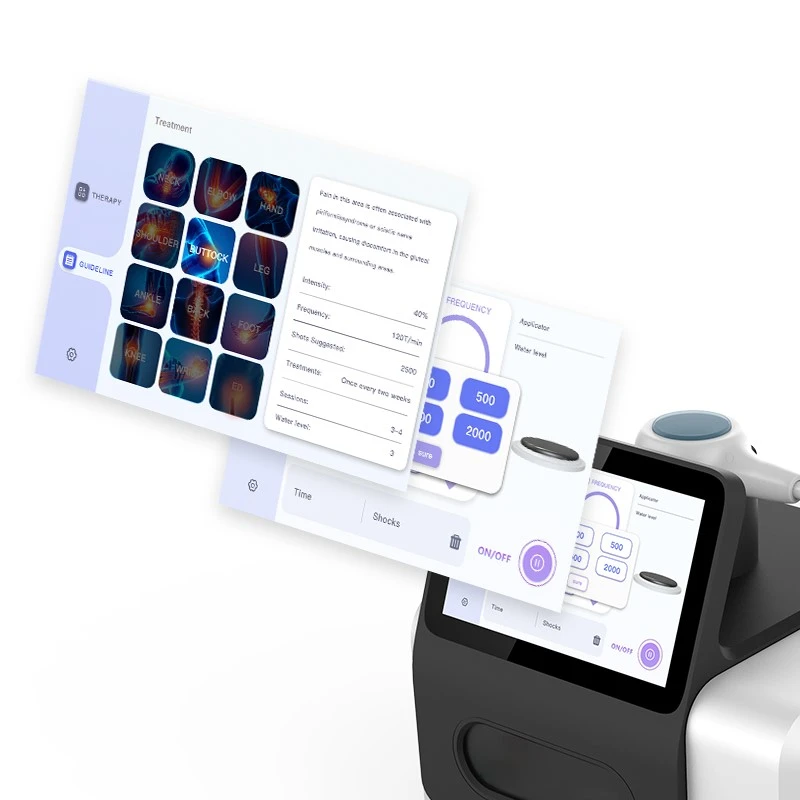
Low-intensity shockwave therapy is one of the most widely researched new approaches for ED. It uses acoustic waves to stimulate the growth of new blood vessels and improve blood flow in penile tissue.
How it works:
The device delivers focused or radial sound waves to the penile shaft and crura. These mechanical waves create microtrauma that stimulates angiogenesis (the formation of new blood vessels) and activates local repair mechanisms. Over time, this can enhance natural erectile response without drugs or surgery.
Treatment protocol:
A typical course involves several sessions over a few weeks, with each session lasting about 15–20 minutes. The treatment is noninvasive and painless.
Clinical results:
Many studies report significant improvement in erectile function scores, particularly in men with mild to moderate vasculogenic ED. The therapy is most effective for men whose erectile problems stem from poor blood circulation rather than nerve injury or psychological causes.
Advantages:
Noninvasive and drug-free
No downtime or significant side effects
May improve natural function rather than just temporary performance
Limitations:
Results vary by individual
Not yet standardized in energy levels or session numbers
Effects may diminish over time; maintenance sessions may be required
Despite ongoing research, shockwave therapy is already gaining popularity in physiotherapy and urology clinics as a promising regenerative solution.
(2) Platelet-Rich Plasma (PRP) Therapy
Platelet-rich plasma therapy is a form of autologous regenerative medicine. It uses the patient's own blood to create a concentration of platelets and growth factors, which are then injected into the penile tissue.
Mechanism of action:
Platelets release bioactive proteins that stimulate tissue repair, collagen production, and angiogenesis. When injected into erectile tissue, PRP may help rejuvenate damaged blood vessels and nerves, improving sensitivity and function.
Treatment process:
A small amount of blood is drawn from the patient.
The sample is processed in a centrifuge to isolate platelet-rich plasma.
The PRP is injected into specific points of the penis using fine needles.
Benefits:
Utilizes the body's natural healing system
Low risk of allergic reaction since it uses the patient's own blood
Can complement other treatments like shockwave therapy
Limitations:
Evidence is still evolving; larger randomized studies are needed
Results can vary depending on preparation methods and patient condition
Typically requires multiple sessions for best results
Although still considered experimental in many regions, PRP therapy represents a safe, biologically driven option for men seeking a natural enhancement of erectile performance.
(3) Stem Cell Therapy
Stem cell therapy for erectile dysfunction is one of the most advanced experimental approaches currently under investigation.
Concept:
Stem cells can differentiate into multiple types of cells, including those that form blood vessels, nerves, and smooth muscle - all essential for erectile function. The goal of stem cell therapy is to regenerate these tissues and reverse underlying damage.
Sources of stem cells:
Bone marrow-derived stem cells
Adipose (fat)-derived stem cells
Umbilical cord-derived stem cells (in research contexts)
Clinical insights:
Animal studies and early human trials show improvements in erectile function and penile tissue structure. However, large-scale clinical studies are still needed to confirm long-term safety and efficacy.
Potential benefits:
May restore natural erectile capacity
Can improve response to other treatments
Addresses root causes rather than symptoms
Current challenges:
High cost and limited accessibility
Lack of standardized protocols
Still considered experimental and not yet widely approved for general use
Stem cell therapy holds enormous potential as a curative treatment, though its adoption will depend on future clinical validation.
(4) Low-Intensity Electromagnetic and Radiofrequency Therapies
Some recent studies have investigated the use of low-frequency electromagnetic fields or radiofrequency energy to stimulate local blood circulation and tissue metabolism.
These noninvasive methods aim to enhance microvascular activity and improve nerve function in penile tissues. Though still in early development, they may become complementary tools for mild cases or maintenance after other treatments.
(5) Intracavernosal Biological Injections
Researchers are experimenting with various biological molecules, such as vascular growth factors, nitric oxide synthase activators, and neurotrophic agents, to promote tissue repair.
These injections aim to restore endothelial health and smooth muscle relaxation, targeting the biological mechanisms responsible for erection. Clinical data remain limited, but preclinical studies are promising.
(6) Gene Therapy
Gene therapy seeks to deliver genetic material directly into penile tissues to improve nitric oxide signaling, vascular function, or neural recovery.
Although still in experimental stages, early studies show that targeted gene delivery can restore erectile function in animal models. Human trials are underway, and the coming decade may see practical applications if long-term safety is confirmed.
(7) Psychological and Neurological Integration Therapies
Modern medicine recognizes that psychological well-being plays a major role in sexual performance. Stress, anxiety, or relationship issues can exacerbate physical symptoms.
Cognitive-behavioral therapy, sexual counseling, and neurofeedback-based techniques are now being integrated into comprehensive ED management programs. Combining psychological support with physical treatments often leads to better long-term outcomes.
4. Comparing Traditional and Regenerative Therapies
| Aspect | Traditional Therapies | Regenerative Therapies |
|---|---|---|
| Goal | Manage symptoms temporarily | Repair and restore natural function |
| Duration of effect | Short-term (hours to days) | Longer-term improvement possible |
| Invasiveness | Oral or mechanical | Minimally invasive injections or energy-based |
| Side effects | Possible systemic reactions | Generally localized and mild |
| Evidence level | Strong, established | Promising, but still under study |
Regenerative methods such as shockwave therapy, PRP, and stem cell treatments represent a shift toward healing the underlying tissue damage rather than providing temporary pharmacological effects. This marks a significant evolution in ED management.
5. Who Can Benefit from New Treatments?
These modern therapies are most effective for men with:
Mild to moderate vasculogenic ED
Poor response to oral medications
Early-stage ED due to aging or lifestyle factors
Post-surgical or diabetic vascular dysfunction
Those seeking non-drug, non-surgical alternatives
Men with severe nerve damage or structural deformities may require surgical intervention or combination therapy for optimal results.
6. Safety and Precautions
While most of these treatments are noninvasive and generally safe, professional evaluation is crucial before beginning therapy. Key precautions include:
Medical screening: Identify cardiovascular disease, diabetes, or hormonal imbalance.
Qualified providers: Treatments like shockwave or PRP should be performed by trained professionals with proper equipment.
Avoid unverified clinics: Some centers may advertise unapproved or unsafe regenerative therapies without scientific support.
Ongoing follow-up: Regular monitoring ensures long-term effectiveness and safety.
7. The Future of Erectile Dysfunction Treatment
The future of ED management is moving toward personalized and regenerative medicine. Researchers are focusing on combination therapies that integrate different technologies for synergistic effects - for example:
Shockwave therapy combined with PRP injections
Stem cell therapy supported by low-frequency stimulation
Nutritional and hormonal optimization with regenerative protocols
Artificial intelligence and advanced imaging are also expected to play a role in diagnosis, treatment planning, and progress tracking.
In the long term, the goal is to restore normal erectile function permanently, reducing dependency on medications and enhancing overall male reproductive health.
8. Summary and Key Takeaways
Erectile dysfunction is a multifactorial condition that can arise from vascular, hormonal, neurological, or psychological causes.
Traditional treatments such as oral medications, vacuum devices, and injections remain effective for symptom relief.
Regenerative therapies - including shockwave therapy, platelet-rich plasma, and stem cell applications - represent the latest direction in ED management, aiming to repair and rejuvenate penile tissue.
These new approaches are noninvasive, low-risk, and potentially long-lasting, though research is ongoing to confirm standardized protocols and long-term results.
Personalized care that combines medical evaluation, lifestyle optimization, and modern technology offers the best outcomes.

latest treatments for erectile dysfunction represent a major shift from temporary symptom relief to long-term regeneration and restoration of natural function. Noninvasive energy-based therapies, biological injections, and stem cell innovations offer exciting possibilities for men who wish to recover spontaneous erections and improve sexual health naturally.
While some of these therapies are still under clinical evaluation, early results are encouraging. For men experiencing erectile difficulties, consultation with a qualified medical professional is the essential first step toward identifying the most suitable and safe treatment plan.


