


A Common Confusion in Aesthetic Medicine
In the fast-growing field of aesthetic and medical technology, the term laser is often used casually by patients and even in marketing. People might say, "I'm going to get a laser treatment," but what exactly do they mean? Are they talking about hair removal, tattoo fading, or skin resurfacing?
This confusion highlights the need to distinguish between the laser itself - a versatile tool with countless applications - and laser resurfacing, which is a specific cosmetic procedure focused on rejuvenating the skin.
As demand for non-surgical beauty treatments grows worldwide, understanding the difference is essential for patients, practitioners, and industry observers alike.
What is a Laser? A Broader Look
The term laser stands for Light Amplification by Stimulated Emission of Radiation. In simple terms, it is a machine that produces a beam of light with unique properties: it is coherent, highly concentrated, and operates at specific wavelengths.
Applications of Laser Technology
Lasers are used across many industries and medical specialties. For example:
Ophthalmology: Correcting vision (LASIK surgery).
Dentistry: Treating cavities and gum disease.
Surgery: Cutting or cauterizing tissue with precision.
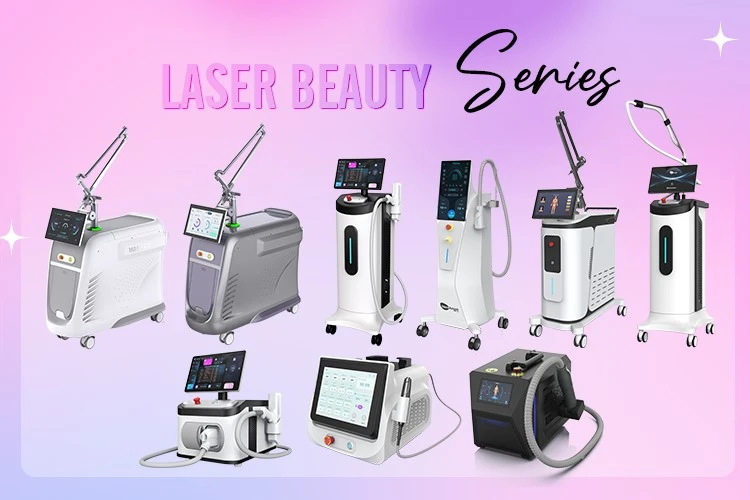
Aesthetics: Hair removal, tattoo removal, pigmentation treatment, vascular lesion correction, and more.
Thus, when we talk about "laser," it refers to a technology platform rather than a single treatment.
What is Laser Resurfacing? A Focused Application
Laser resurfacing is a specific cosmetic treatment designed to improve the skin's texture, tone, and overall appearance. It involves directing concentrated laser beams at the skin to remove damaged outer layers or stimulate collagen production beneath the surface.
Types of Laser Resurfacing
Ablative Resurfacing:
Removes the outer layer of skin.
Examples: CO2 laser, Erbium YAG laser.
Best for: Deep wrinkles, acne scars, surgical scars.
Recovery: 1–2 weeks or more.
Non-Ablative Resurfacing:
Works beneath the surface without removing skin.
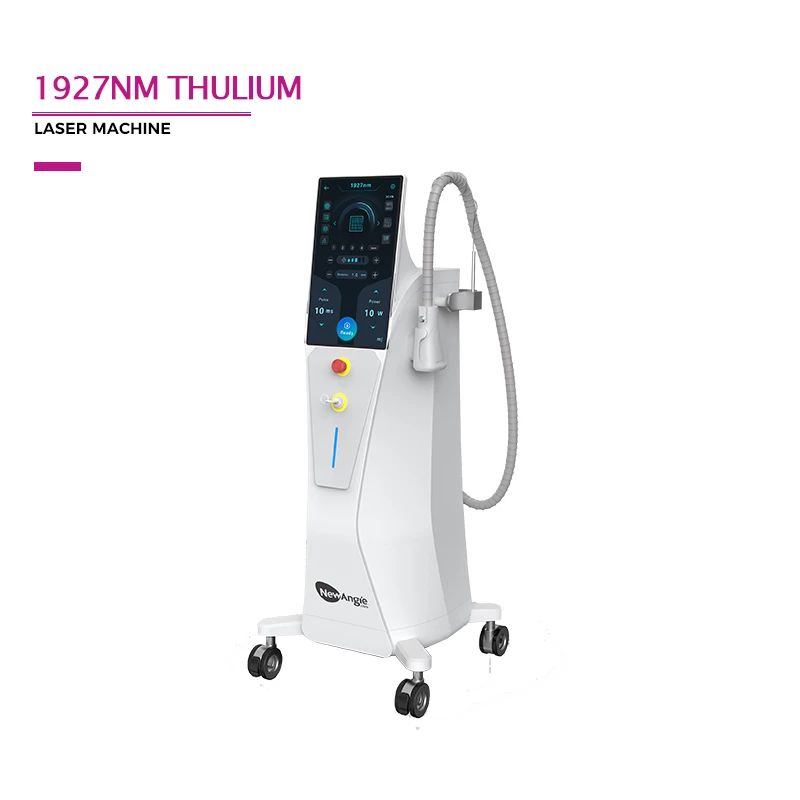
Examples: Thulium 1927nm, fractional non-ablative lasers.
Best for: Mild aging signs, pigmentation, preventive treatments.
Recovery: Shorter, usually a few days.
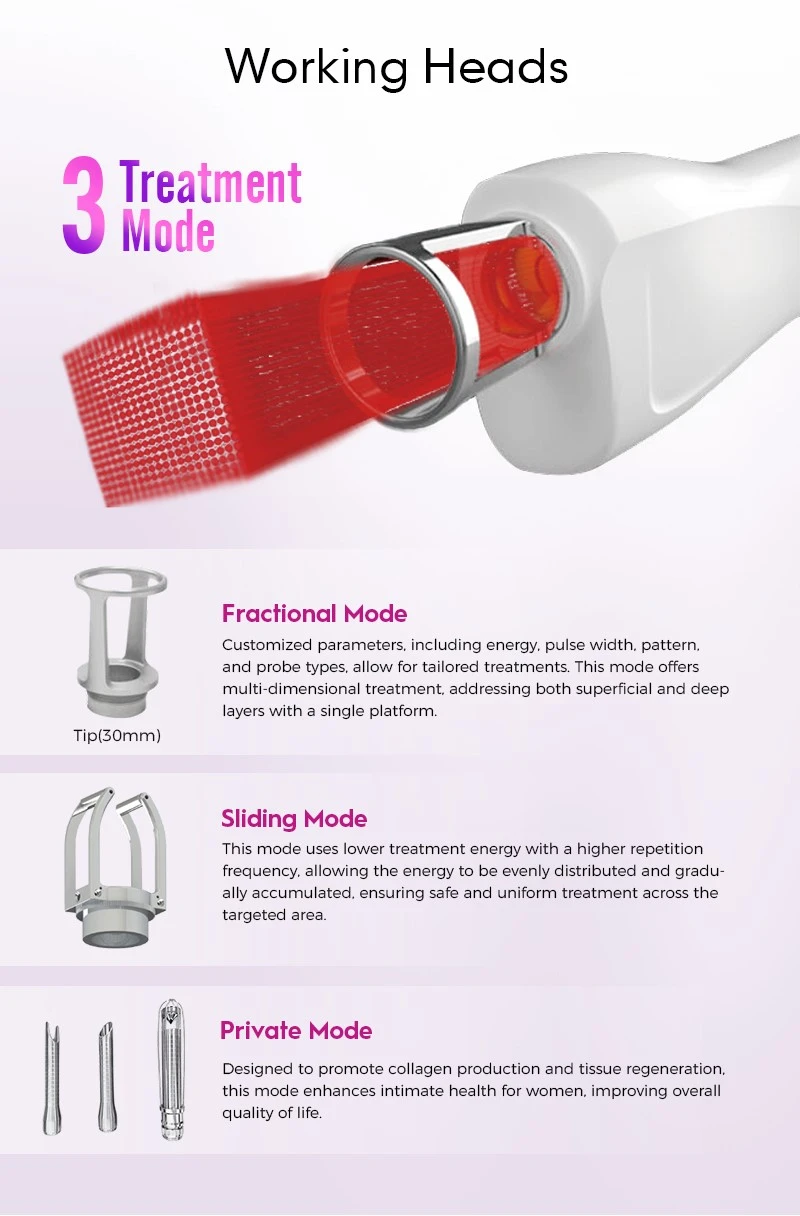
Fractional Resurfacing:
Treats microscopic zones of skin while leaving surrounding tissue intact.
Balances effectiveness with faster healing.
Available in both ablative and non-ablative versions.
Laser resurfacing is, therefore, a subset of laser treatments - one that focuses specifically on rejuvenating and repairing skin.
Comparing Laser vs. Laser Resurfacing
| Aspect | Laser (General) | Laser Resurfacing (Specific) |
|---|---|---|
| Definition | A technology that produces concentrated light beams with diverse applications. | A cosmetic procedure using lasers to rejuvenate skin and improve texture. |
| Scope of Use | Medicine, surgery, aesthetics, industry. | Exclusively in dermatology and aesthetics for skin renewal. |
| Target | Depends on purpose: hair follicles, tattoo ink, blood vessels, or tissue. | Skin layers (epidermis and dermis). |
| Examples | LASIK eye surgery, hair removal, tattoo removal, dental procedures. | CO2 resurfacing, Erbium resurfacing, fractional resurfacing. |
| Outcome | Varies: improved vision, tattoo removal, reduced hair, medical healing. | Smoother skin, reduced wrinkles, improved scars and pigmentation. |
| Downtime | Depends on the procedure; often minimal. |
Ranges from a few days (non-ablative) to two weeks (ablative). |
Patient Experience: Different Journeys
The difference between general laser treatments and laser resurfacing becomes even clearer when examining patient experiences.
Laser Hair Removal: Patients undergo multiple sessions targeting hair follicles. Recovery is minimal, and results are gradual but long-lasting.
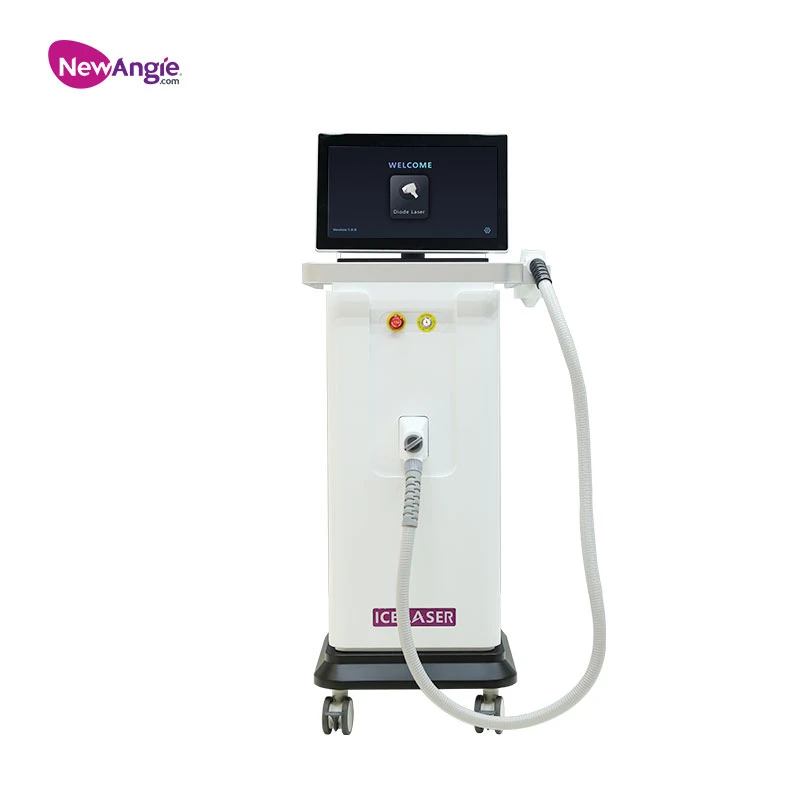
Tattoo Removal: Focuses on breaking down ink particles. It requires several treatments, often with some discomfort but little downtime.
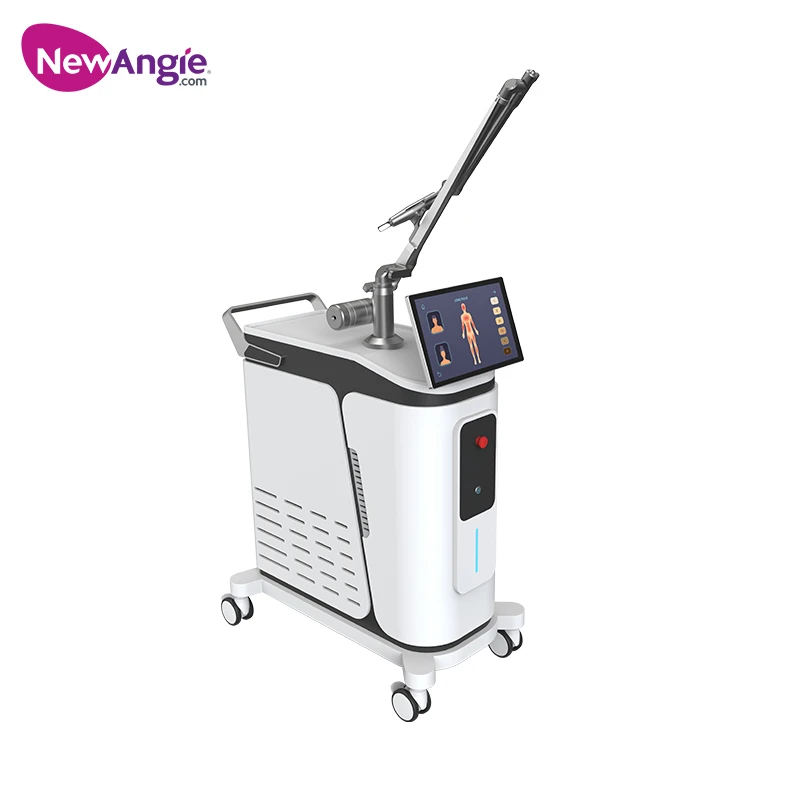
Laser Resurfacing: Aimed at wrinkles, scars, or pigmentation. Results can be dramatic, but downtime (especially with ablative methods) is part of the journey.
This illustrates how "laser" is the tool, while "resurfacing" is a very specific application of that tool.
Safety Considerations
Both general laser treatments and laser resurfacing require professional expertise. Risks can include burns, pigmentation issues, or infection if performed improperly.
However, the intensity of laser resurfacing, especially with ablative systems, carries more noticeable downtime and recovery needs compared to other laser-based treatments like hair or tattoo removal.
Industry Growth and Market Trends
The global aesthetic market shows continuous growth in laser applications, but resurfacing stands out as one of the most in-demand treatments.
Key Trends:
Hybrid Systems: Combining ablative and non-ablative wavelengths.
Minimal Downtime Focus: Technologies designed for busy patients who want fast recovery.
Personalized Devices: Machines that can adjust wavelengths and intensities based on individual skin conditions.
Preventive Treatments: Younger patients are increasingly using non-ablative resurfacing to delay aging signs.
These trends underline how laser resurfacing is carving out its own identity within the broader laser industry.
Future Outlook
As technology advances, the line between general laser treatments and specific applications like resurfacing will become clearer. Artificial intelligence, real-time skin analysis, and multifunctional devices are already changing the industry.
For patients, this means more customized treatments, safer outcomes, and a wider range of choices. For professionals, it emphasizes the need for training and communication to ensure patients understand exactly what treatment they are receiving.
Defining the Difference Clearly
So, what is the difference between laser and laser resurfacing?
A laser is the technology itself, a versatile tool used in medicine, industry, and aesthetics.
Laser resurfacing is a targeted cosmetic procedure that uses this technology to rejuvenate skin, reduce wrinkles, and improve scars and pigmentation.
While all laser resurfacing treatments use lasers, not all laser treatments are resurfacing. The distinction lies in purpose, application, and outcome.
For patients, understanding this difference helps set realistic expectations and ensures they choose the right treatment for their needs. For practitioners, it highlights the importance of education and clarity in consultations.
In short, laser is the tool; laser resurfacing is one of its many specialized uses.


