


The Popularity of Skin Resurfacing
Laser skin resurfacing has emerged as one of the most talked-about treatments in the beauty and dermatology industry. From Hollywood celebrities to everyday individuals, many are turning to this technology to reduce wrinkles, minimize scars, and restore youthful skin. But with growing interest comes an important question: Does laser skin resurfacing really work?
The Science Behind the Treatment
Laser skin resurfacing is a procedure that uses concentrated beams of light to target damaged skin cells. Depending on the type of laser, the treatment either removes the outer layers of skin (ablative) or works beneath the surface to stimulate collagen production (non-ablative).
Ablative lasers such as CO2 and Erbium YAG physically remove layers of skin, forcing the body to regenerate fresh, smoother tissue.
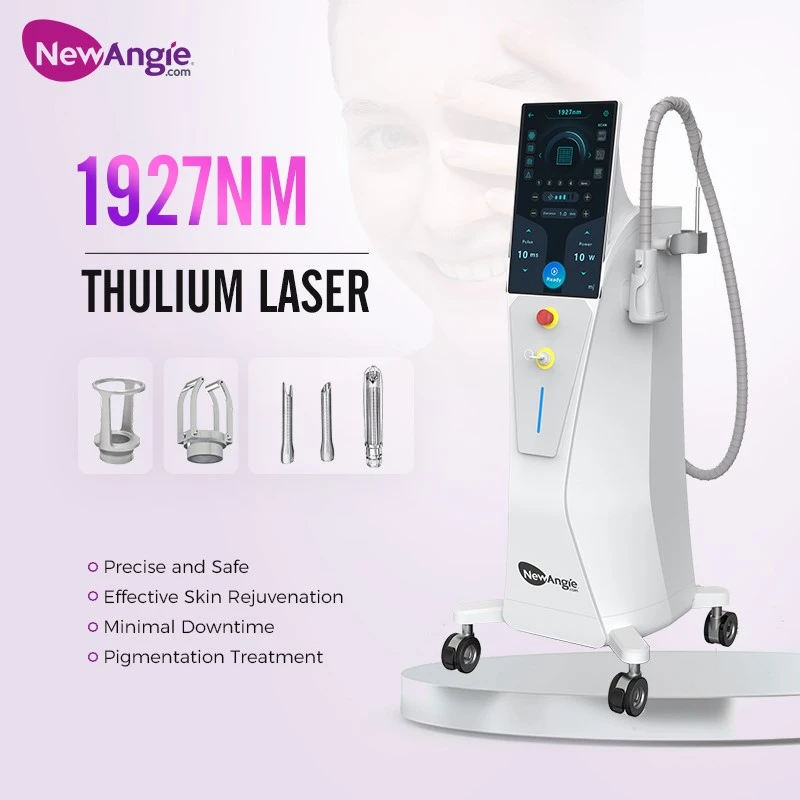
Non-ablative lasers like Thulium 1927nm heat the underlying skin to boost collagen without damaging the surface, resulting in more subtle but steady improvements.
Both methods aim to improve texture, reduce wrinkles, fade pigmentation, and enhance overall skin tone.
Clinical Evidence and Effectiveness
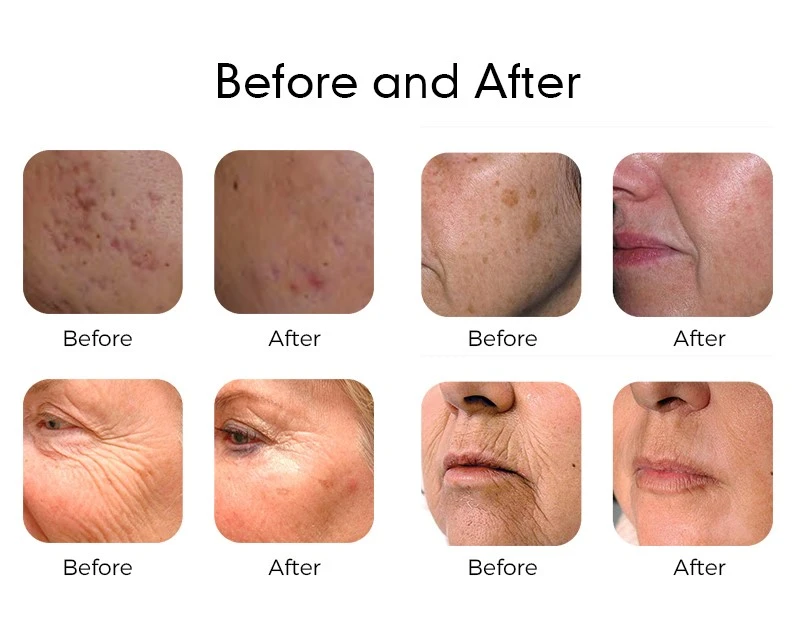
Medical studies show that laser skin resurfacing is highly effective for a range of skin concerns. Patients with acne scars, sun damage, and fine lines often report significant improvements after a series of treatments.
A 2023 study published in the Journal of Dermatologic Surgery found that over 85% of patients experienced visible skin rejuvenation within three months of fractional CO2 resurfacing. Non-ablative lasers showed more gradual results but with faster recovery and fewer side effects.
Dermatologists confirm that results vary depending on the individual's age, skin type, and treatment plan. For deep wrinkles and scars, ablative lasers provide dramatic results, while for pigmentation and maintenance, gentler lasers are often preferred.
Patient Experiences
Many patients describe their experience as a mix of anticipation and relief. One common observation is the balance between results and downtime:
With CO2 lasers, patients often see dramatic improvements but must endure redness, swelling, and peeling for up to two weeks.
With Thulium or Erbium treatments, the recovery is faster-sometimes just a few days-but multiple sessions may be needed for optimal outcomes.
Overall satisfaction rates remain high, particularly when expectations are realistic and the procedure is performed by qualified professionals.
Safety and Side Effects
While effective, laser skin resurfacing is not without risks. Possible side effects include temporary redness, sensitivity, or pigmentation changes. However, advances in fractional laser technology have significantly reduced these risks.
Dermatologists stress that safety depends heavily on practitioner expertise and proper patient selection. People with darker skin tones, for instance, require special care to avoid uneven pigmentation.
Industry Trends
The rising popularity of laser resurfacing has led to rapid advancements in technology. Manufacturers are now offering devices that combine ablative and non-ablative wavelengths, giving practitioners more flexibility to customize treatments. AI-driven skin analysis and cooling systems are also improving comfort and results.
According to global market data, demand for non-surgical rejuvenation is expected to grow steadily, with laser resurfacing at the forefront. Clinics worldwide report increasing patient inquiries, especially among younger demographics seeking preventive treatments.
Does It Really Work?
The evidence is clear: laser skin resurfacing does work-but results depend on the right match between technology, patient needs, and professional expertise.
For individuals with deep wrinkles or acne scars, ablative lasers can deliver dramatic, long-lasting improvements. For those with pigmentation or early signs of aging, non-ablative treatments offer a gentler yet effective option.
Ultimately, success lies in personalized treatment plans, realistic expectations, and choosing a qualified provider. As technology continues to evolve, laser resurfacing is likely to remain one of the most reliable tools for achieving smoother, healthier, and younger-looking skin.


