


In today's global beauty industry, one question is gaining increasing attention among consumers, dermatologists, and technology manufacturers alike: What is the best laser for skin resurfacing?
Skin resurfacing has become one of the fastest-growing cosmetic treatments worldwide. People from diverse backgrounds are now seeking solutions to reduce fine lines, wrinkles, acne scars, sun damage, and pigmentation. The desire for smoother, younger-looking skin has driven the demand for advanced medical devices, and lasers are at the forefront of this movement.
Global Demand for Non-Surgical Aesthetic Treatments
According to international health and beauty market reports, the demand for non-invasive procedures has skyrocketed in the last decade. The global medical aesthetics industry is projected to reach hundreds of billions of dollars by the end of this decade, with skin rejuvenation technologies playing a significant role.
The appeal of laser resurfacing lies in its ability to achieve visible results without surgery. Unlike facelifts or invasive treatments, laser procedures stimulate natural collagen production, encourage skin renewal, and offer customized approaches depending on patient needs.
Industry data shows that consumers value two things most: efficacy and downtime. Patients want treatments that deliver noticeable improvements without requiring weeks of recovery. This demand has fueled the race among manufacturers to design lasers that balance power with patient comfort.
Understanding Skin Resurfacing Lasers
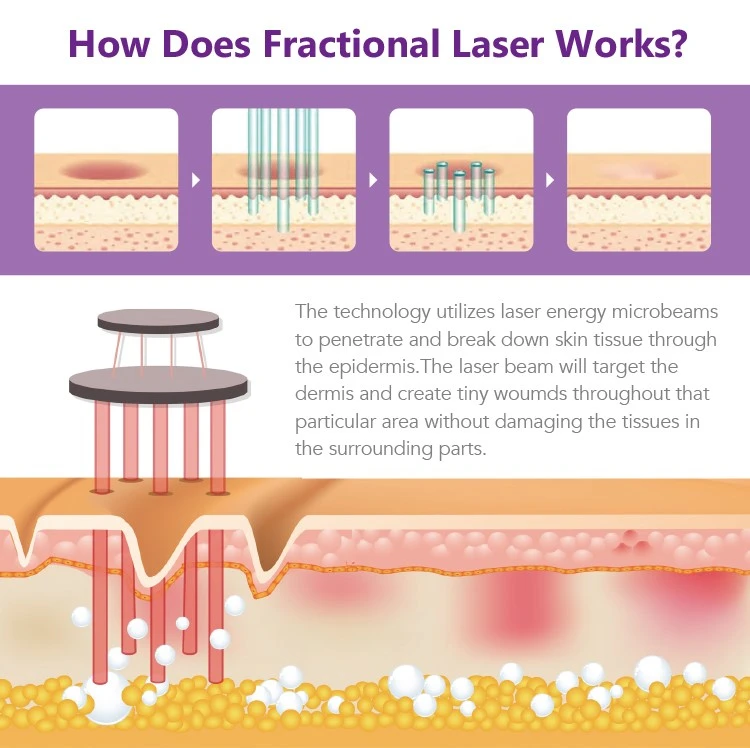
Before analyzing which laser is the "best," it's important to understand how these devices work. Laser resurfacing uses targeted beams of light to remove damaged skin cells, stimulate collagen regeneration, and improve skin structure.
There are two main categories:
Ablative Lasers: These remove the outer layers of skin and are highly effective for deeper wrinkles and scars. They typically require longer recovery.
Non-Ablative Lasers: These work beneath the surface, heating the skin without removing layers. They stimulate collagen with less downtime but often require multiple sessions.
The choice between ablative and non-ablative largely depends on the patient's goals, tolerance for recovery, and the severity of skin concerns.
Types of Lasers Commonly Used for Resurfacing
1. CO2 Fractional Laser
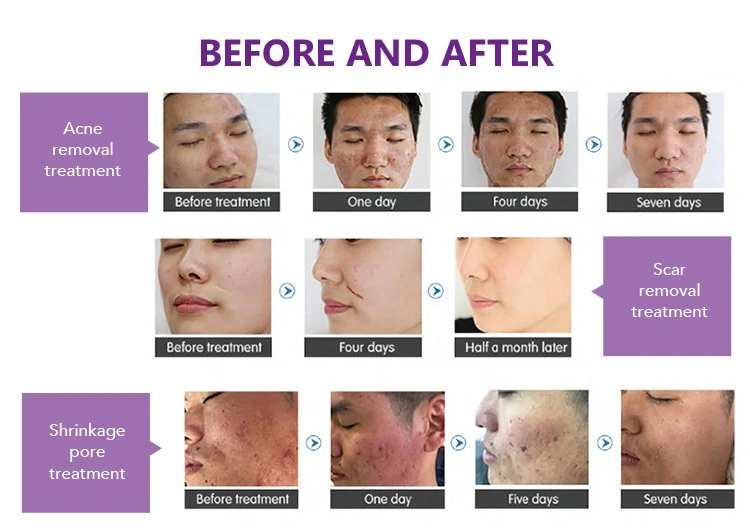
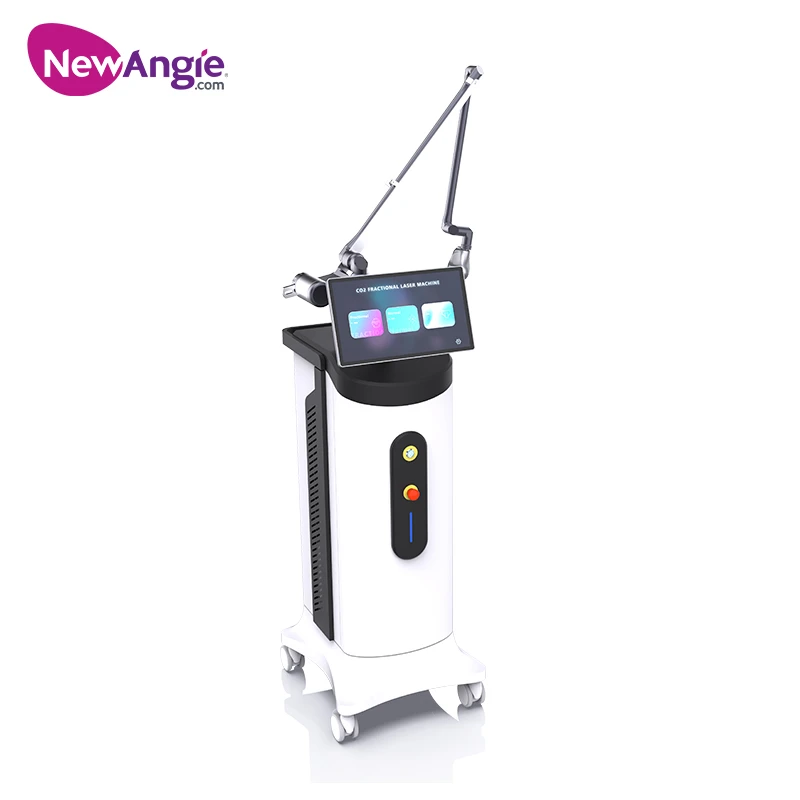
The CO2 laser has long been regarded as the "gold standard" in skin resurfacing. It uses carbon dioxide to deliver intense beams that penetrate deep into the skin.
Best for: Deep wrinkles, acne scars, surgical scars, and severe sun damage.
Advantages: Dramatic results in one session.
Disadvantages: Longer downtime (1–2 weeks) and potential side effects like redness and pigmentation changes.
2. Erbium YAG Laser
The Erbium laser is known for precision and is especially effective for treating fine lines, pigmentation, and superficial skin irregularities.
Best for: Mild to moderate wrinkles, sun damage, and age spots.
Advantages: Less thermal damage than CO2; faster healing.
Disadvantages: May require multiple sessions for deeper concerns.
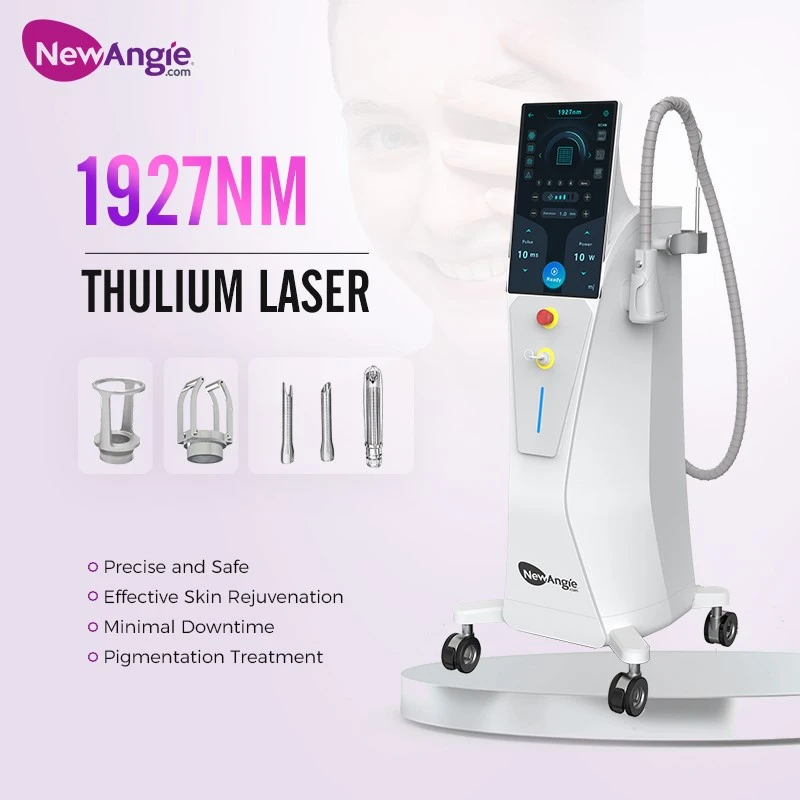
3. Thulium 1927nm Laser
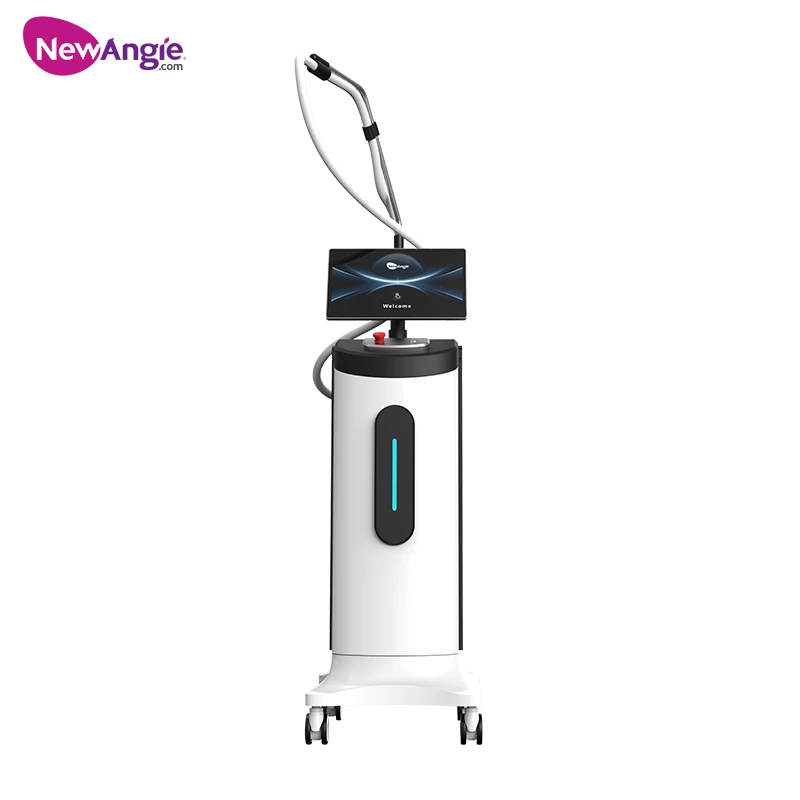
The 1927nm thulium laser is gaining popularity as a versatile option for pigmentation and overall skin rejuvenation.
Best for: Pigmentation issues, melasma, early aging signs.
Advantages: Lower downtime, well-suited for maintenance treatments.
Disadvantages: Less effective for deep wrinkles and severe scars.
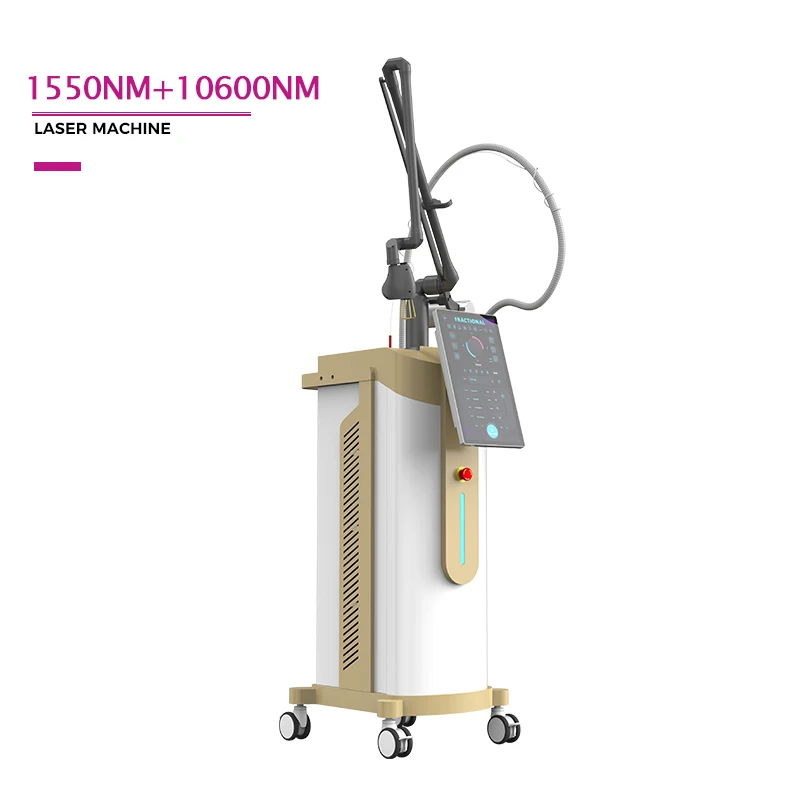
4. Fractional Lasers (Hybrid Approaches)
Many clinics now use fractional technologies, which target micro-areas of the skin while leaving surrounding tissue intact. This accelerates healing and reduces downtime. Hybrid fractional lasers combine ablative and non-ablative functions, offering more tailored solutions.
5. Nd:YAG and Pulsed-Dye Lasers
Though not primary resurfacing lasers, they are often used in combination treatments to address redness, vascular lesions, or acne-related pigmentation.
Expert Insights: What Dermatologists Say
When asked which laser is "best," dermatologists consistently emphasize one point: there is no universal answer.
Dr. Andrea Smith, a New York–based dermatologist, explains:
"The best laser depends on the patient's skin type, age, lifestyle, and desired results. Someone in their thirties with early signs of sun damage may not need the intensity of a CO2 laser. On the other hand, a patient with deep acne scars will likely see the best outcome with an ablative CO2 fractional treatment."
Experts also stress the importance of customization. Modern devices allow practitioners to adjust energy levels, wavelengths, and treatment depths, making it possible to design individualized plans.
Patient Experience and Considerations
While technology is important, patient experience plays an equally crucial role in determining the "best" laser. Factors include:
Downtime: Some patients cannot take extended time off work, making quicker-healing lasers more appealing.
Pain and Comfort: Advanced systems now integrate cooling technologies to minimize discomfort.
Skin Type: Darker skin tones require careful handling to avoid pigmentation risks.
Budget: Costs vary widely depending on the technology used and the number of sessions required.
For example, CO2 treatments are more expensive per session but may require fewer treatments overall. Non-ablative options may seem more affordable initially but require repeat visits.
Safety and Regulation
One of the challenges in the global market is ensuring that treatments are performed by trained professionals. Poorly executed laser resurfacing can lead to burns, infections, or long-term pigmentation problems.
International dermatology associations urge patients to choose licensed clinics with certified devices. Manufacturers are also focusing on integrating safety features, such as skin sensors and automated energy calibration, to reduce risks.
Market Trends and Future Outlook
The laser resurfacing market is evolving rapidly. Several trends are shaping the future:
Hybrid Systems: Devices that combine ablative and non-ablative technologies are gaining popularity.
AI Integration: New machines are being designed with artificial intelligence to analyze skin and adjust settings in real time.
Minimal Downtime Demand: There is a clear push for technologies that deliver strong results with faster recovery.
Expansion into Home Devices: While professional treatments remain the gold standard, at-home devices are starting to appear for maintenance.
Industry experts predict that the market for skin resurfacing lasers will continue to grow significantly, driven by both consumer demand and technological advancements.
So, What is the Best Laser for Skin Resurfacing?
The answer is both simple and complex. There is no single "best" laser for everyone. Instead, the ideal choice depends on:
The patient's age and skin condition.
The severity of wrinkles, scars, or pigmentation.
The willingness to accept downtime.
The desired speed and longevity of results.
For deep rejuvenation and scarring, CO2 fractional lasers remain highly effective. For patients seeking faster recovery with mild improvements, Erbium and Thulium lasers are often better suited. Hybrid fractional systems are bridging the gap, offering customizable treatments for diverse patient needs.
In essence, the "best" laser is the one that balances results with safety, downtime, and patient satisfaction. As technology continues to evolve, the options will only become more personalized, making skin resurfacing an increasingly accessible and effective solution worldwide.


