


Tattoo removal has become one of the fastest-growing services in the aesthetic and dermatology industry. Among all available methods, pico laser technology is considered the most advanced due to its ultra-short pulse duration and efficiency in breaking down ink particles. But for business owners, medical professionals, and investors, the critical question remains: What does a pico laser tattoo removal machine actually cost?
1. Understanding Pico Laser Technology
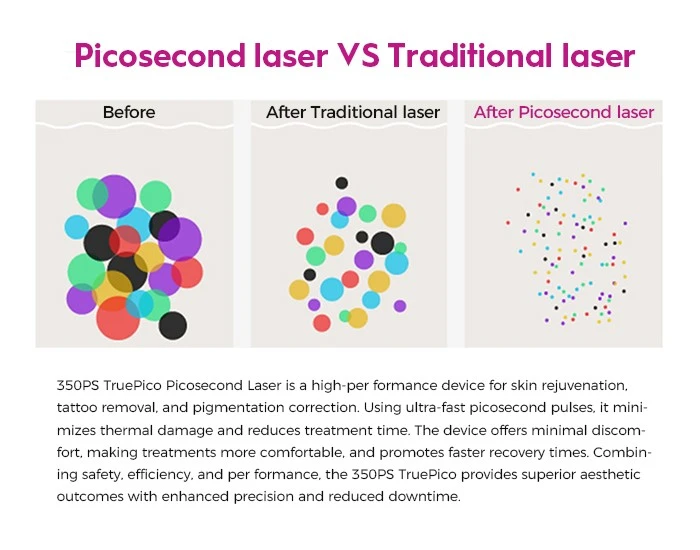
The word "pico" refers to the pulse duration of the laser, measured in picoseconds (one trillionth of a second). This extremely short pulse allows the laser to deliver energy into the skin with minimal thermal damage, breaking tattoo ink into tiny fragments that are more easily removed by the body's immune system.
Key features that make pico laser technology valuable:
Faster results compared to traditional nanosecond devices.
Fewer treatment sessions needed to remove tattoos.
Greater versatility, treating stubborn colors like green, blue, and red more effectively.
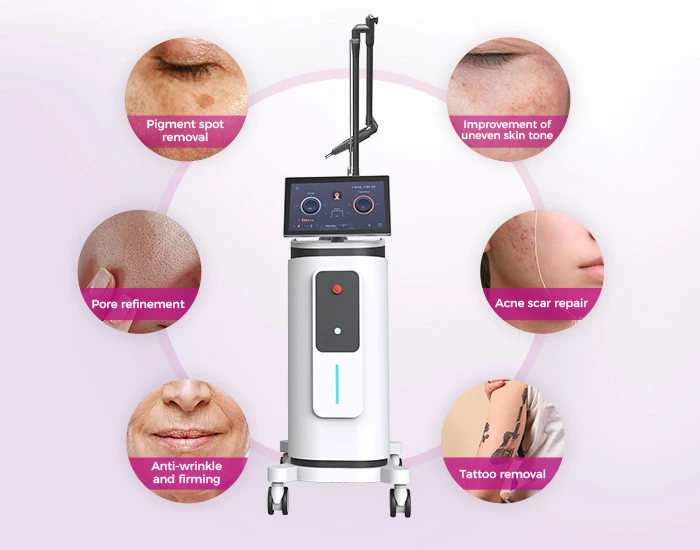
Expanded applications, including pigmentation correction and skin rejuvenation in addition to tattoo removal.
Because of these benefits, pico laser machines are often more expensive than older Q-switched devices.
2. Cost of Purchasing a Pico Laser Tattoo Removal Machine
The purchase price of a pico laser tattoo removal machine can vary widely depending on specifications, features, and supplier. Broadly, machines can be categorized into three ranges:
a) Entry-Level Devices
Price range: approximately USD 2,000 – 7,000
Usually compact or portable units.
Often marketed to small clinics or beauty centers.
Limited wavelength options and fewer advanced functions.
Best suited for businesses with a modest budget or smaller-scale tattoo removal demand.
b) Mid-Range Professional Devices
Price range: approximately USD 7,000 – 30,000
Offer more reliable components, better cooling systems, and more stable performance.
May include multiple wavelengths for treating different tattoo colors.
Often come with basic warranty and after-sales support.
Popular among mid-size clinics aiming for quality results without the high premium cost.
c) Advanced Medical Systems
Price range: often USD 30,000 – 80,000+
Equipped with advanced optics, multiple wavelengths, and optimized beam delivery.
Designed for high patient throughput and clinical versatility.
Often backed by stronger warranties, technical support, and optional service contracts.
Typically used by dermatology clinics, hospitals, and high-volume medical centers.
Key takeaway: Buyers should choose based on patient demand, expected treatment volume, and financial capacity.
3. Factors That Influence Machine Price
Several variables explain why one pico laser machine may cost USD 5,000 while another costs USD 60,000 or more:
Wavelength Options
Single-wavelength machines are cheaper but limited in treating multi-color tattoos.
Multi-wavelength systems allow treatment of a wider range of inks.
Peak Power and Energy Levels
Higher power ensures better penetration and faster clearance.
Machines with adjustable pulse widths and high peak power are more expensive.
Build Quality and Durability
Machines with advanced cooling systems and durable components last longer, reducing downtime.
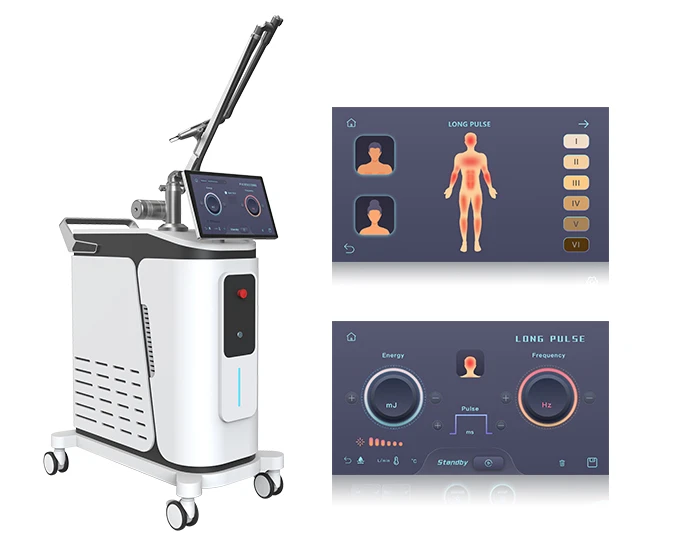
Software and Interface
User-friendly touchscreens, treatment modes, and preset programs add to cost.
Warranty and After-Sales Support
Machines backed by extended warranties, on-site servicing, and training tend to cost more.
Certification and Compliance
Devices with recognized safety certifications (such as CE or FDA clearance) carry a premium price due to compliance costs.
4. Operating Costs Beyond Purchase Price
Buying the machine is only the beginning. To calculate the true cost of ownership, consider:
Maintenance & Service Contracts: Annual servicing or part replacements.
Consumables: Protective eyewear, cooling gels, and occasional handpiece parts.
Staff Training: Safe and effective operation requires proper training.
Insurance & Licensing: Some regions require registration fees or liability coverage.
These expenses are relatively small compared to the revenue potential, but they must be included in financial planning.
5. Treatment Pricing for Patients
For patients, the cost of pico laser tattoo removal depends on tattoo size, color, and location. Clinics typically charge USD 150 – 600 per session.
Small tattoos (1–2 inches): USD 150–250 per session
Medium tattoos (3–5 inches): USD 250–400 per session
Large tattoos (sleeve, back piece, etc.): USD 400–600+ per session
Since most tattoos require 3–10 sessions, the total patient cost often ranges from USD 1,000 to 5,000 or more.
This makes tattoo removal a profitable service for clinics, especially since treatment time is short (usually 10–30 minutes per session).
6. Number of Sessions Needed
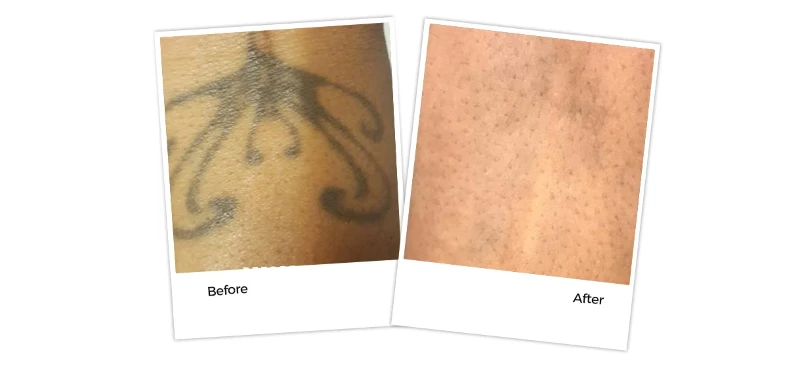
With pico technology, tattoos often clear in fewer sessions compared to older lasers. On average:
Black or dark ink tattoos: 3–6 sessions
Colored tattoos (red, green, blue): 6–10 sessions
Very dense or layered tattoos: may need more sessions
The spacing between treatments is typically 6–8 weeks, allowing the skin and immune system to process fragmented ink.
7. Return on Investment (ROI) for Clinics
Let's calculate a simple ROI scenario.
Example A: Mid-Range Machine
Purchase price: USD 15,000
Average fee per session: USD 250
Net revenue per session after small expenses: USD 200
Break-even point: 15,000 ÷ 200 = 75 sessions
Example B: Premium Machine
Purchase price: USD 60,000
Average fee per session: USD 400
Net revenue per session: USD 300
Break-even point: 60,000 ÷ 300 = 200 sessions
Conclusion: Even high-cost devices can be profitable if patient demand is steady. Clinics that promote tattoo removal effectively often recover machine cost within 6–12 months.
8. Tips for Clinics Planning to Invest
Evaluate Patient Demand – Survey your local market before investing.
Offer Package Deals – Encourage patients to prepay for multiple sessions.
Diversify Treatments – Many pico lasers also treat pigmentation, acne scars, and skin rejuvenation.
Train Staff Properly – Skilled operation ensures safety and better outcomes.
Market Strategically – Use social media, before-and-after photos, and promotional campaigns to attract clients.
9. FAQs About Pico Laser Tattoo Removal Costs
Q1: Why are pico laser machines more expensive than older devices?
Because they use advanced technology to deliver faster results with fewer sessions, requiring higher-quality optics and engineering.
Q2: Are low-cost pico machines reliable?
Some entry-level devices can work well for small clinics, but reliability, certification, and after-sales service are often limited.
Q3: How soon can a clinic recover its investment?
Depending on pricing and patient volume, clinics may recover costs within 6–18 months.
Q4: Do patients prefer pico laser treatments even if they cost more?
Yes. Because pico lasers often reduce the number of sessions and improve comfort, many patients are willing to pay a premium.
Q5: What is the biggest hidden cost?
Maintenance and service contracts can add up, but they ensure long-term functionality and patient safety.
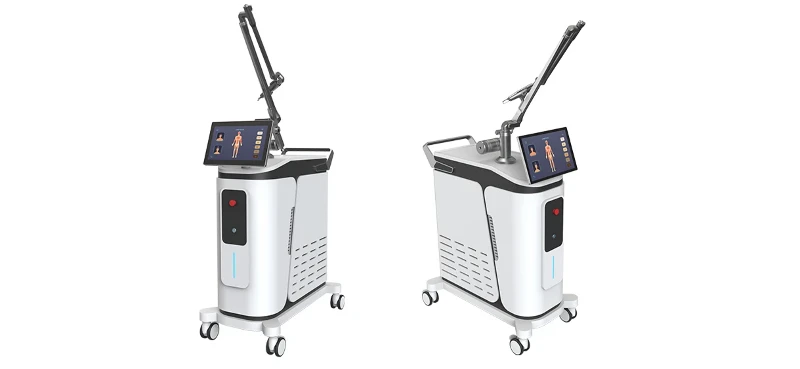
The cost of a pico laser tattoo removal machine can range from just a few thousand dollars for compact models to over USD 60,000 for advanced systems. While the purchase price may seem high, clinics can quickly achieve profitability by offering competitive treatment packages and promoting the technology's benefits.
For patients, pico laser sessions may cost more per visit than older methods, but the fewer sessions required often result in lower overall costs and faster tattoo clearance.
For clinics and investors, a well-chosen pico laser is not just an expense-it is a profitable asset that can expand treatment options, attract new clients, and establish a strong position in the medical aesthetics market.


