


Japan has long held a complex relationship with tattoos. While tattoos have deep historical roots in traditional art forms, they also carry lingering associations with organized crime in modern society. As a result, many people in Japan who once embraced tattoo culture-whether inspired by global fashion trends, personal expression, or youth movements-are now seeking effective ways to remove or lighten their tattoos for professional, social, or personal reasons.
This shift has fueled rapid growth in the tattoo removal industry, with advanced laser technologies leading the way. Clinics across Tokyo, Osaka, Nagoya, and other major cities are investing heavily in state-of-the-art equipment that promises faster, safer, and more comfortable treatments. For individuals, choosing the right laser machine or provider has become a critical decision, as results depend largely on the technology used.
1. Q-Switched Nd:YAG Laser Systems
Q-Switched Nd:YAG remains the most widely adopted technology for tattoo removal in Japan. Its ability to emit dual wavelengths-typically 1064 nm and 532 nm-allows it to effectively target both dark inks (like black and blue) and brighter pigments (like red and orange).
Japanese dermatology clinics favor this machine type for its balance of affordability, reliability, and safety. Treatments with Nd:YAG cause minimal damage to surrounding tissue, reducing the risk of scarring-an especially important factor in a culture where flawless skin is highly valued.
2. Picosecond Lasers
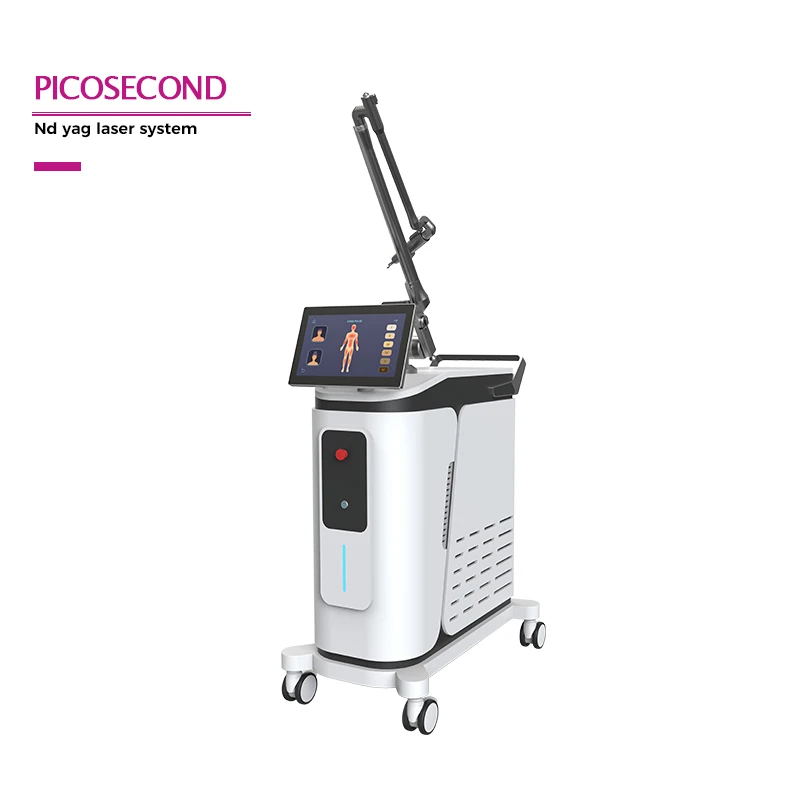
Picosecond technology has transformed the tattoo removal landscape. These machines deliver ultra-short pulses measured in picoseconds, shattering ink particles more efficiently than traditional nanosecond lasers.
In Japan, picosecond systems are increasingly popular in urban medical aesthetics centers that cater to younger clients. These devices can remove stubborn colors such as green, teal, and yellow, which are difficult to treat with older technologies. Their precision also appeals to patients concerned about skin tone preservation and post-treatment appearance.
3. Combination Laser Platforms (Multi-Wavelength Devices)
Clinics in Tokyo and Osaka are investing in combination systems that integrate multiple wavelengths into a single platform. Machines offering 532 nm, 755 nm (alexandrite), and 1064 nm options give practitioners flexibility to treat a wide range of tattoo pigments across diverse skin types.
For Japanese consumers, this versatility means fewer sessions and more predictable outcomes, making combination platforms one of the most sought-after categories in the market.
4. Ruby Lasers (694 nm)
Ruby lasers, though older than picosecond technology, are still used in specialized clinics across Japan. Their 694 nm wavelength is particularly effective on dark blue and green inks-colors that remain challenging for other machines.
While slower and sometimes associated with more side effects, ruby lasers remain a part of the top ten list due to their niche effectiveness in cases where other systems may not deliver satisfactory results.
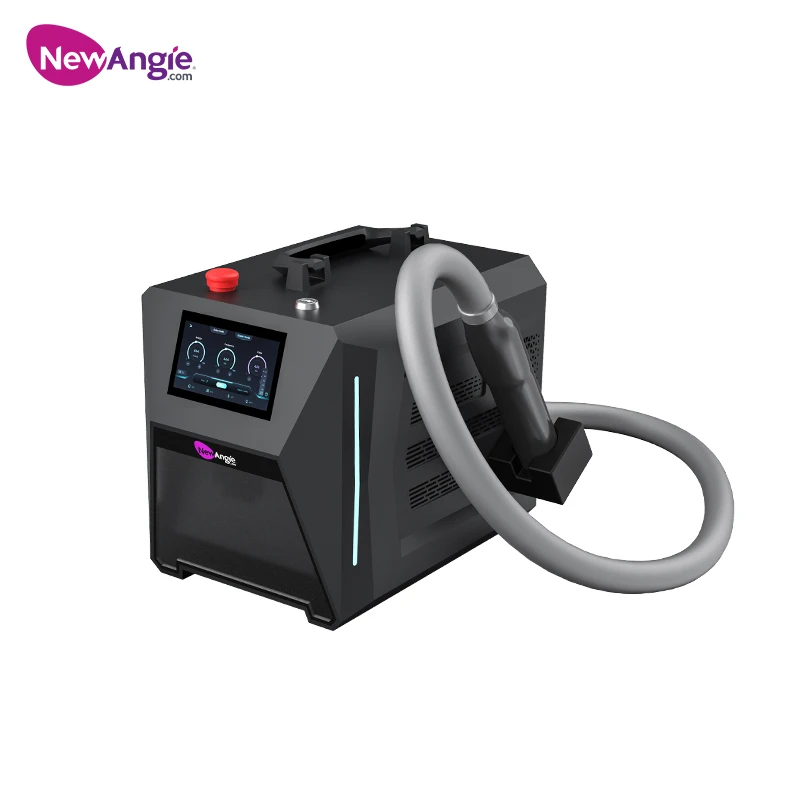
5. Portable Tattoo Removal Devices
Japan's strong emphasis on compact, efficient technology extends into medical aesthetics. Portable tattoo removal lasers, though less powerful than full clinical systems, are gaining traction in smaller clinics and regional practices.
These portable systems allow practitioners in smaller towns to offer tattoo removal services without investing in bulky, high-cost equipment. Their mobility and lower cost have made them an accessible entry point for local clinics expanding into the aesthetics market.
6. Fractional Lasers Used in Combination Therapy
Fractional lasers are not stand-alone tattoo removal devices, but they are increasingly used in Japan as an adjunct to Q-Switched or picosecond lasers. By resurfacing the skin and stimulating collagen production, fractional treatments can improve healing, reduce scarring, and prepare the skin for more effective pigment clearance.
Clinics offering combination therapy (tattoo laser + fractional resurfacing) are gaining popularity among clients who want both pigment removal and cosmetic skin improvement.
7. Medical-Grade IPL Devices for Light Pigments
Though not as precise as true lasers, advanced intense pulsed light (IPL) systems are sometimes used in Japanese clinics for light or shallow tattoos. Medical-grade IPL devices can target certain red or yellow inks that traditional systems struggle with.
However, because IPL carries higher risks for burns and inconsistent results, it is typically reserved for specialized cases and only handled by experienced practitioners. Its inclusion in the top 10 reflects its role as a complementary option in Japan's diverse tattoo removal toolkit.
8. Dermatology Clinic Exclusive Platforms
Large hospitals and dermatology departments in Japan often purchase high-end, exclusive systems that combine tattoo removal with other aesthetic functions such as pigmentation correction, acne treatment, and skin rejuvenation.
These multi-purpose machines are valued in the Japanese medical system for their efficiency and cost-effectiveness. While tattoo removal is a key function, their versatility allows clinics to serve a broader range of patients, making them a popular investment.
9. Next-Generation Cooling-Integrated Lasers
Pain and discomfort remain a major concern for tattoo removal patients. To address this, Japanese clinics are adopting machines with integrated cooling systems. These devices provide cold air or contact cooling alongside laser delivery, reducing pain, minimizing thermal injury, and allowing higher fluences for improved ink clearance.
Such systems are particularly appealing in Japan, where patient comfort and minimal downtime are high priorities.
10. Emerging Home-Use Tattoo Removal Devices
Although controversial, home-use tattoo removal devices are slowly entering the Japanese market. While less powerful and carrying more risks if misused, some consumers are attracted to the privacy and convenience of at-home treatments.
These devices are not yet widespread, but growing awareness indicates that they may play a larger role in the future, particularly if regulatory frameworks tighten to ensure safety.
Challenges in Japan's Tattoo Removal Market
While the technology continues to evolve, several challenges remain in Japan:
High Costs: Professional tattoo removal requires multiple sessions, often making it expensive compared with other aesthetic procedures.
Cultural Sensitivity: Despite shifting attitudes, tattoos still carry stigma in certain public spaces such as gyms, hot springs, and swimming pools, which can pressure individuals into removal.
Regulatory Oversight: Japan maintains strict medical regulations, requiring tattoo removal to be performed by licensed medical professionals. This ensures safety but limits access compared with more flexible systems abroad.
NewAngie can provide fresh designs and innovative concepts to help you open the Japanese market.
With a deep understanding of global beauty trends and local preferences, NewAngie delivers advanced equipment tailored to professional needs. By combining modern technology with user-friendly design, the company ensures that businesses in Japan can meet rising customer expectations for safety, efficiency, and results.
Whether you are a clinic, distributor, or beauty center, NewAngie's forward-thinking solutions and market insights can support your growth, build trust with Japanese clients, and strengthen your competitive edge in this fast-growing industry.


