


As demand for non-surgical anti-aging treatments continues to grow, laser technology has become one of the most trusted solutions for improving aging skin. Clinics and patients alike are asking a key question: what is the most effective laser for aging skin?
The answer is not as simple as naming a single device. Effectiveness depends on the depth of aging, skin condition, downtime tolerance, and treatment goals. However, modern laser technologies can be clearly categorized by how powerfully and precisely they address the visible signs of skin aging.
Understanding Skin Aging and Laser Treatment
Skin aging is driven by multiple factors, including collagen loss, reduced elastin, sun damage, slower cell turnover, and uneven pigmentation. Over time, this results in wrinkles, laxity, rough texture, enlarged pores, and dull skin tone.
Laser treatments improve aging skin by delivering controlled energy into targeted layers of the skin. This energy stimulates collagen regeneration, accelerates epidermal renewal, and improves overall skin structure. The key difference between laser systems lies in how deep they penetrate and how aggressively they remodel tissue.
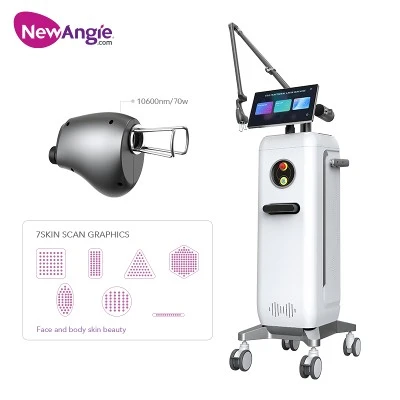
Fractional CO₂ Laser: The Gold Standard for Advanced Aging
Among all laser technologies, fractional CO₂ lasers are widely regarded as the most effective option for moderate to severe skin aging.
Why CO₂ Lasers Are So Effective
Fractional CO₂ lasers create microscopic columns of thermal injury that extend deep into the dermis. This process removes damaged skin while triggering intense collagen remodeling. As new collagen forms, wrinkles soften, skin tightens, and texture improves significantly.
Best for:
Deep wrinkles and lines
Advanced photoaging
Skin laxity
Uneven texture and scarring
Considerations:
While results are dramatic, CO₂ lasers require longer recovery time compared to other systems. Redness, swelling, and peeling are expected, and proper post-treatment care is essential.
For patients seeking maximum rejuvenation in fewer sessions, CO₂ lasers remain the most powerful solution available.
Erbium Lasers: Strong Results with Reduced Thermal Damage
Erbium lasers are another ablative option used to treat aging skin, especially for patients who want strong results with less heat impact.
How They Work
Erbium lasers precisely remove superficial skin layers while minimizing thermal spread to surrounding tissue. This allows for effective resurfacing with faster healing compared to CO₂ lasers.
Best for:
Moderate wrinkles
Texture refinement
Early skin laxity
Erbium lasers offer an excellent balance between efficacy and recovery time, making them a popular choice for patients who want noticeable results but slightly shorter downtime.
Non-Ablative Fractional Lasers: Modern Aging Prevention
For early signs of aging or patients who prefer minimal downtime, non-ablative fractional lasers have become increasingly popular.
How They Address Aging
Instead of removing skin, non-ablative lasers deliver heat beneath the surface to stimulate collagen production while leaving the epidermis intact. Over a series of treatments, skin becomes firmer, smoother, and more even in tone.
Key Technologies:
1550 nm fractional lasers for dermal collagen remodeling
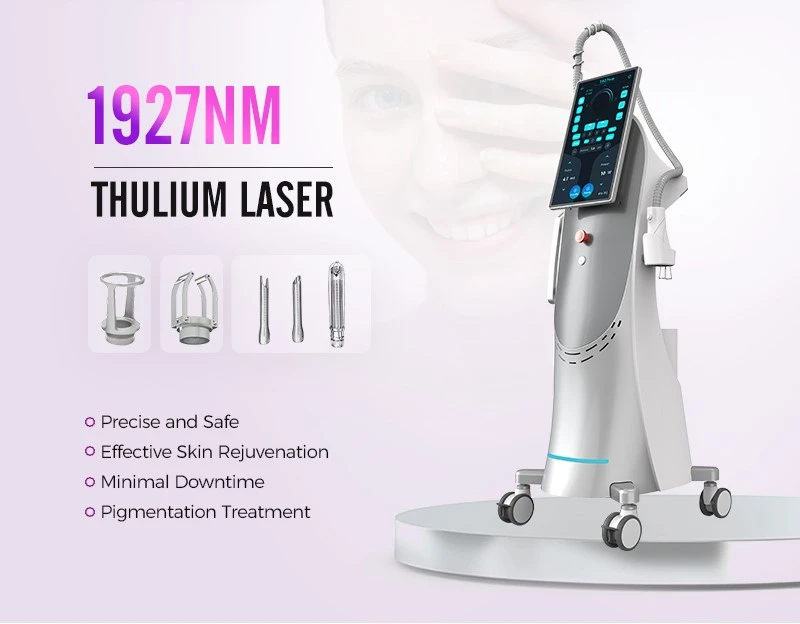
1927 nm thulium lasers for superficial aging, pigmentation, and skin tone correction
Best for:
Fine lines
Enlarged pores
Uneven skin tone
Early photoaging
While results are more gradual than ablative lasers, non-ablative systems are ideal for long-term skin maintenance and prevention strategies.
Hybrid Laser Systems: Combining Power and Precision
Hybrid laser systems represent a newer approach to aging skin treatment. These platforms combine ablative and non-ablative wavelengths in a single session.
Why Hybrid Systems Are Gaining Attention
By treating both superficial and deeper skin layers simultaneously, hybrid lasers deliver visible improvement with reduced downtime compared to traditional ablative treatments.
Best for:
Patients seeking strong anti-aging results
Clinics offering customizable treatment plans
Combination therapy approaches
Hybrid lasers reflect a growing trend toward personalized aesthetic treatments, where energy levels and wavelengths are tailored to each patient's aging profile.
Which Laser Is Truly the "Most Effective"?
From a clinical standpoint:
For advanced aging: Fractional CO₂ lasers remain the most effective
For moderate aging: Erbium and hybrid lasers provide excellent results
For early aging and maintenance: Non-ablative fractional lasers are ideal
Effectiveness is not only measured by results, but also by safety, downtime, and long-term skin health. A well-designed treatment plan often combines multiple technologies over time rather than relying on a single laser.
Industry Perspective: Where the Market Is Heading
The aesthetic laser market is shifting toward versatile, multi-function platforms. Clinics increasingly prefer systems that address aging skin, pigmentation, texture, and tone in one device. This trend has driven interest in fractional lasers such as 1927 nm thulium systems, which focus on superficial aging and skin quality improvement with minimal recovery.
At the same time, CO₂ lasers continue to anchor high-end medical aesthetic practices due to their unmatched rejuvenation capability.


