


In recent years, the demand for non-invasive aesthetic treatments has increased significantly across dermatology clinics and medical aesthetic centers. Patients are seeking effective solutions for skin rejuvenation, pigmentation correction, and scar improvement without the extended recovery time associated with traditional ablative laser procedures. As a result, advanced fractional laser technologies have continued to evolve to meet these needs.
Among the most promising innovations in aesthetic laser equipment is the dual-wavelength 1550nm + 1927nm laser system. By combining two complementary wavelengths in a single platform, this technology provides practitioners with the ability to address both deep dermal concerns and superficial epidermal issues. The combination allows clinics to treat a wide range of skin conditions including acne scars, melasma, sun damage, enlarged pores, and fine lines.
The Evolution of Fractional Laser Technology
Traditional skin resurfacing technologies relied heavily on ablative lasers such as CO₂ or Er:YAG systems. These devices remove the outer layers of the skin to stimulate regeneration. While they can produce noticeable improvements, they often involve significant downtime, redness, and potential complications.
The development of fractional laser technology introduced a more controlled method of delivering laser energy. Instead of treating the entire skin surface, fractional lasers create microscopic treatment zones within the skin while leaving surrounding tissue intact. This approach accelerates the healing process and reduces recovery time.
Non-ablative fractional lasers, such as 1550nm erbium glass lasers, further improved safety and patient comfort by targeting deeper skin layers without removing the surface layer of the skin.
Later, 1927nm thulium lasers were introduced to focus specifically on superficial pigmentation issues. The integration of these two wavelengths into a single system represents the next step in the evolution of aesthetic laser technology.
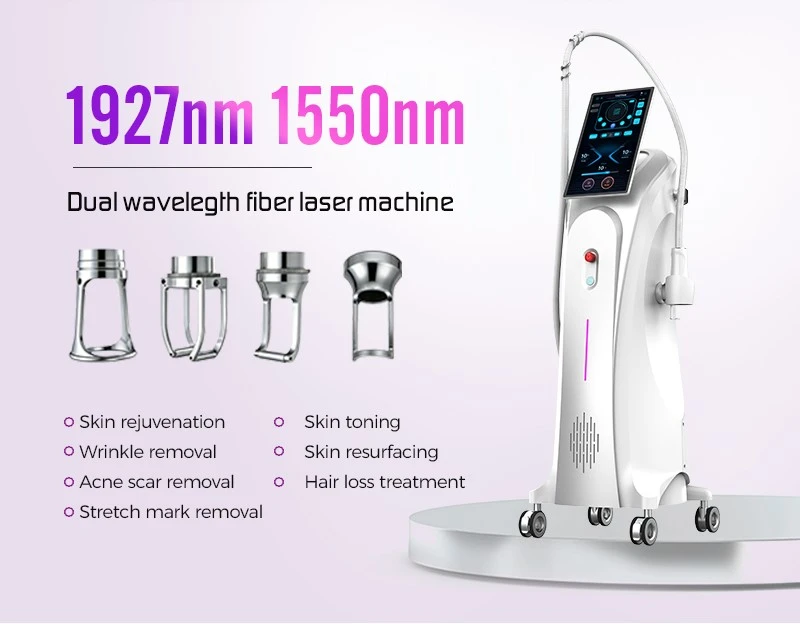
Understanding the Two Wavelengths
A dual-wavelength system works by utilizing two different laser wavelengths that target distinct layers of the skin.
1550nm Erbium Glass Laser
The 1550nm wavelength penetrates deeper into the dermis and primarily stimulates collagen remodeling. When fractional laser energy reaches the dermal layer, it creates microthermal zones that trigger the body's natural healing response.
This process promotes the production of new collagen fibers and improves the overall structure of the skin. Over time, the skin becomes firmer, smoother, and more uniform in texture.
Common treatment indications for the 1550nm wavelength include:
Acne scars
Surgical scars
Enlarged pores
Fine lines and wrinkles
Uneven skin texture
Skin laxity
Because the energy is delivered fractionally, the surrounding skin remains unaffected, allowing for faster recovery compared with fully ablative lasers.
1927nm Thulium Laser
The 1927nm wavelength primarily targets the epidermal layer, making it particularly effective for treating pigmentation and superficial skin damage.
Unlike deeper dermal lasers, the 1927nm wavelength creates controlled micro-channels in the upper layers of the skin. These micro-channels encourage the removal of damaged pigment cells and stimulate the regeneration of healthy skin.
Common conditions treated with the 1927nm wavelength include:
Melasma
Sunspots and age spots
Freckles
Hyperpigmentation
Photo-damaged skin
Uneven skin tone
Because the treatment focuses on the superficial layers, patients often notice improvements in skin brightness and clarity after several sessions.
The Synergy of Dual-Wavelength Technology
While both wavelengths can be effective individually, combining them in a single treatment platform creates a synergistic effect that addresses multiple skin concerns simultaneously.
The 1550nm wavelength improves deep dermal structure, while the 1927nm wavelength corrects surface pigmentation and skin tone. Together, they provide a comprehensive skin rejuvenation approach.
Clinics can use the wavelengths in several ways:
Perform 1550nm treatments for deep collagen remodeling
Use 1927nm treatments to correct pigmentation
Combine both wavelengths in a treatment plan to improve overall skin quality
This flexibility allows practitioners to tailor treatments based on each patient's skin condition and aesthetic goals.
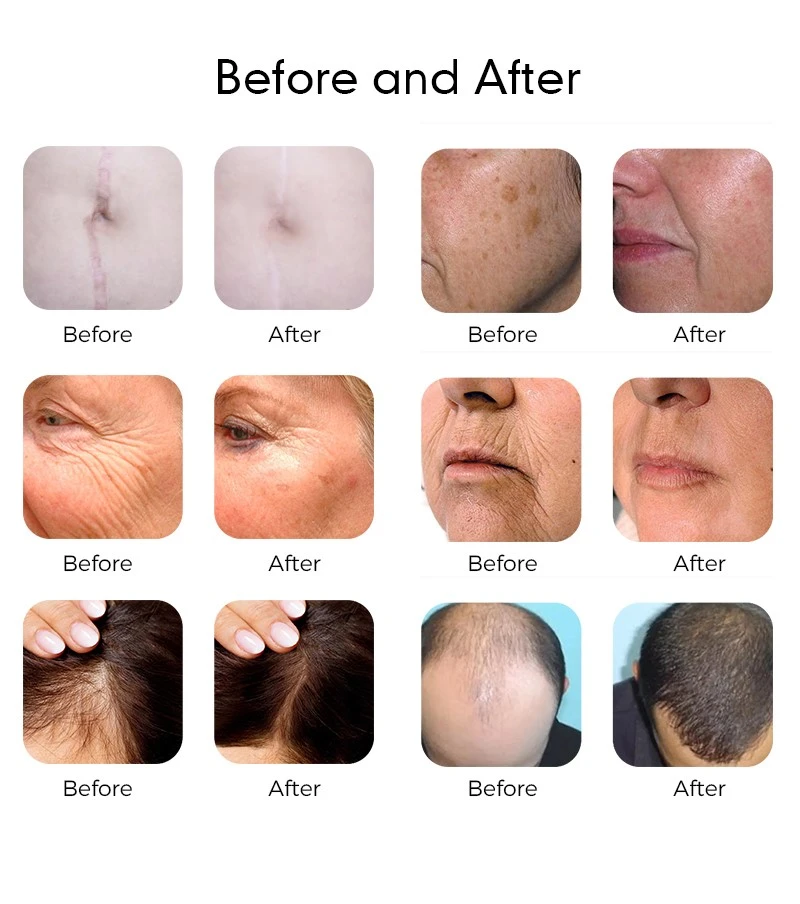
Clinical Applications
Dual-wavelength 1550nm and 1927nm laser systems can be used to treat a wide range of dermatological and aesthetic conditions.
Skin Resurfacing
Fractional laser treatments stimulate the natural regeneration of skin cells. Over time, damaged skin is replaced with healthier tissue, resulting in smoother and more youthful-looking skin.
Acne Scar Reduction
Acne scars often develop when inflammation damages the collagen structure within the skin. The 1550nm wavelength helps repair this damage by stimulating collagen production and improving dermal structure.
Pigmentation Treatment
Hyperpigmentation is a common concern caused by sun exposure, hormonal changes, or aging. The 1927nm wavelength effectively targets superficial pigment while promoting skin renewal.
Wrinkle Reduction
Collagen remodeling triggered by the laser helps reduce the appearance of fine lines and improves skin elasticity.
Skin Tone Improvement
Many patients seek treatments that brighten dull skin and restore a more even complexion. Dual-wavelength systems can address both surface discoloration and deeper skin quality issues.
Benefits for Patients
Dual-wavelength fractional laser treatments offer several advantages for patients seeking non-surgical aesthetic procedures.
Minimal Downtime
Because the treatment uses fractional micro-injuries rather than complete surface ablation, recovery time is usually shorter.
Natural Skin Regeneration
The laser stimulates the body's own healing mechanisms rather than artificially altering the skin.
Gradual and Natural Results
Results appear progressively as collagen production increases and new skin cells replace damaged tissue.
Versatile Treatment Options
Patients can receive treatments tailored to their specific skin concerns, whether they involve scars, pigmentation, or aging.
Advantages for Clinics and Dermatology Centers
From a clinical perspective, dual-wavelength laser systems provide several operational and financial benefits.
Multi-Function Platform
A single machine can address multiple treatment indications, reducing the need for additional devices.
Expanded Treatment Services
Clinics can offer a wider range of aesthetic procedures, including pigmentation correction, scar treatment, and skin rejuvenation.
Increased Patient Demand
Non-invasive skin treatments continue to grow in popularity, making fractional laser systems a valuable investment.
Customizable Treatment Protocols
Practitioners can adjust energy levels, treatment density, and scanning patterns to achieve optimal results for each patient.
Safety Considerations
As with all medical aesthetic procedures, safety is an important factor when performing laser treatments.
Modern dual-wavelength systems are designed with advanced scanning technology and precise energy control, helping ensure that treatments remain safe and predictable when performed by trained professionals.
Proper patient evaluation, parameter selection, and post-treatment care are essential to achieving optimal results while minimizing potential side effects.
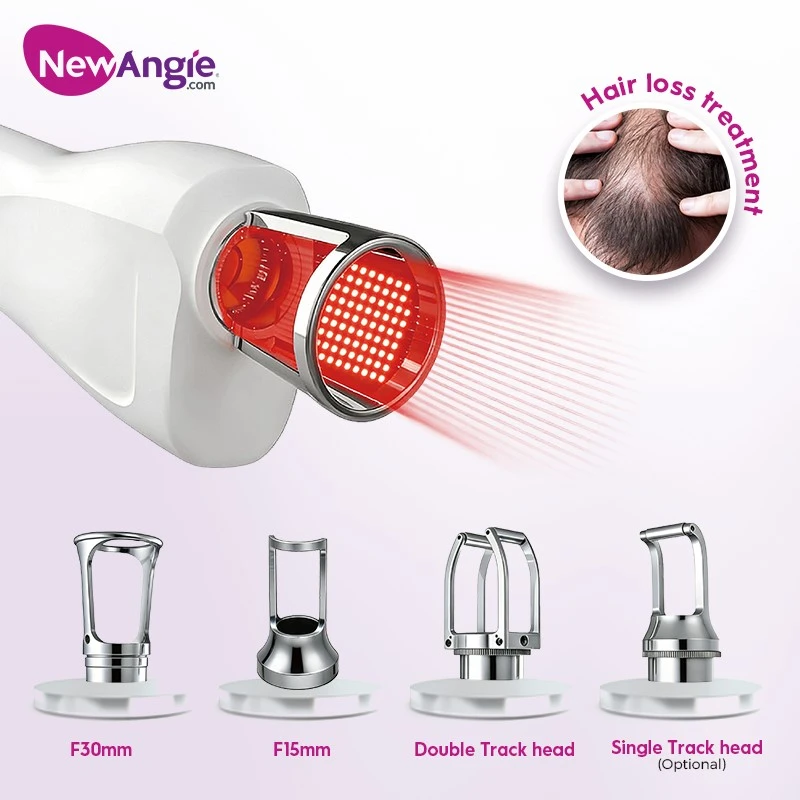
Future Development of Dual-Wavelength Laser Technology
The aesthetic technology industry continues to evolve rapidly. Future developments in dual-wavelength laser systems may include:
Smarter treatment algorithms for improved precision
Enhanced scanning patterns for faster treatments
Integration with digital skin analysis systems
More compact and portable device designs
As technology advances, these innovations may further improve treatment efficiency and expand the clinical applications of fractional lasers.
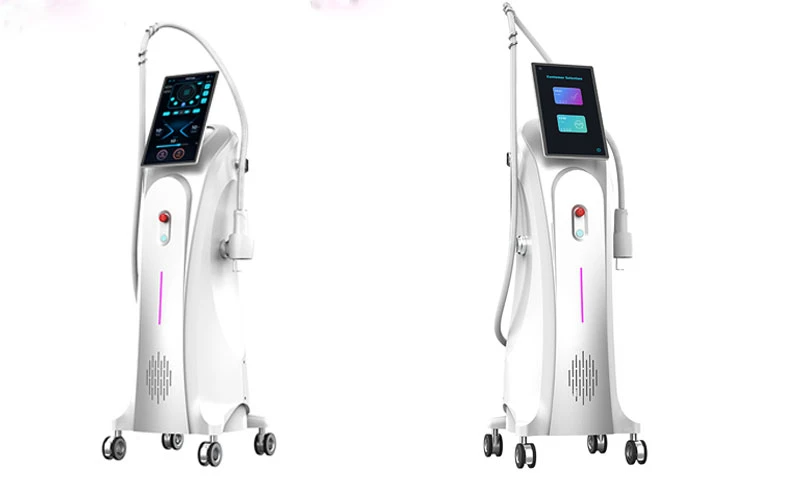
Dual-wavelength 1550nm + 1927nm laser systems represent an important advancement in aesthetic dermatology. By combining two complementary wavelengths within a single platform, these devices provide a comprehensive approach to skin rejuvenation.
The 1550nm wavelength stimulates collagen remodeling in the dermis, while the 1927nm wavelength improves pigmentation and surface skin quality. Together, they allow practitioners to address a wide variety of skin concerns using customizable treatment protocols.
For aesthetic clinics and dermatology centers, dual-wavelength laser technology offers the flexibility to provide multiple treatment services while meeting the growing demand for non-invasive skin improvement procedures. As innovation continues, these systems are expected to play an increasingly important role in the future of aesthetic medicine.


