


What is the difference between 1550 and 1927 laser? Understanding two popular wavelengths in modern skin resurfacing
In recent years, energy-based aesthetic devices have become central to clinical skin rejuvenation, pigmentation improvement, and scar treatment services. Among various wavelengths used in fractional laser technology, the 1550nm laser and 1927nm laser stand out as two of the most frequently discussed options. Clinics, distributors, and business owners often ask: What is the difference between 1550 and 1927 laser, and which wavelength is better for expanding treatment offerings?
This article provides a comprehensive, news-style overview of both technologies, covering their mechanism of action, clinical applications, skin type suitability, downtime, and business value. It also introduces how NewAngie, a professional beauty equipment manufacturer, has developed a new 1927nm laser device designed for partners seeking to expand their client base and grow their aesthetic business.
Understanding fractional non-ablative laser technology
Before comparing wavelengths, it is helpful to understand the basic principle behind fractional non-ablative resurfacing lasers.
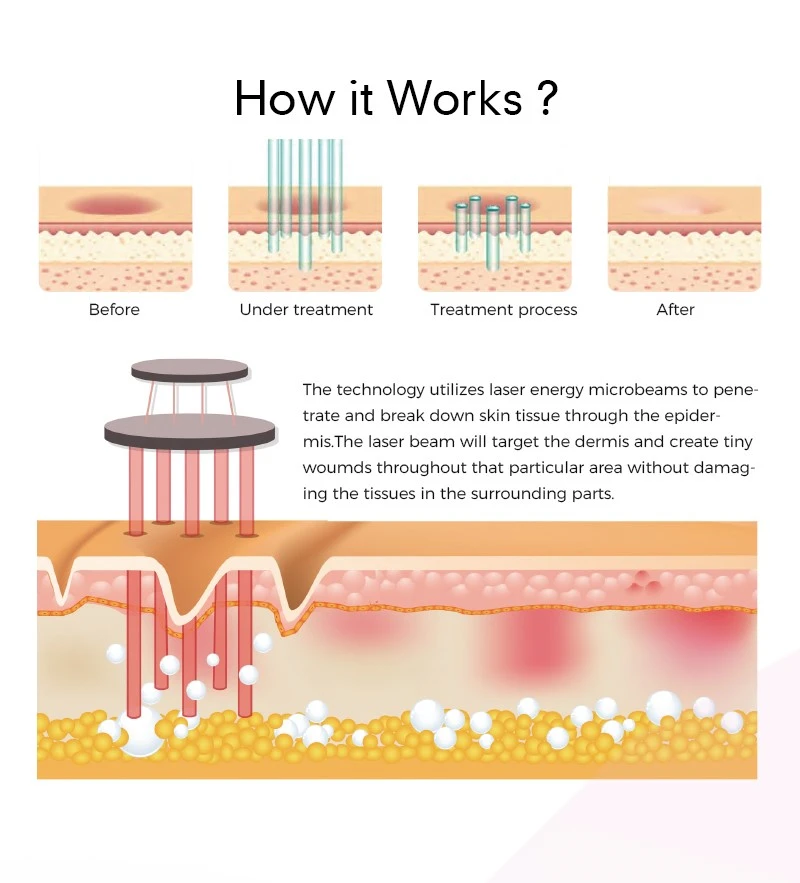
Fractional laser systems divide laser energy into microscopic columns that penetrate the skin in tiny, evenly spaced zones known as microthermal treatment zones (MTZs). These microscopic injuries trigger:
controlled skin repair
collagen remodeling
epidermal cell renewal
Instead of removing the entire surface layer, fractional lasers treat only a fraction of the skin at a time. This provides visible results with shorter recovery periods than traditional fully ablative lasers.
Both 1550nm and 1927nm lasers belong to this fractional, non-ablative or minimally ablative category. However, their depth of penetration, water absorption characteristics, and clinical indications are different, which leads to different treatment outcomes.
The core technical difference lies in their wavelength and target depth.
1550nm laser
penetrates deeper into the dermis
targets water within deeper skin layers
generates controlled thermal injury that stimulates collagen production
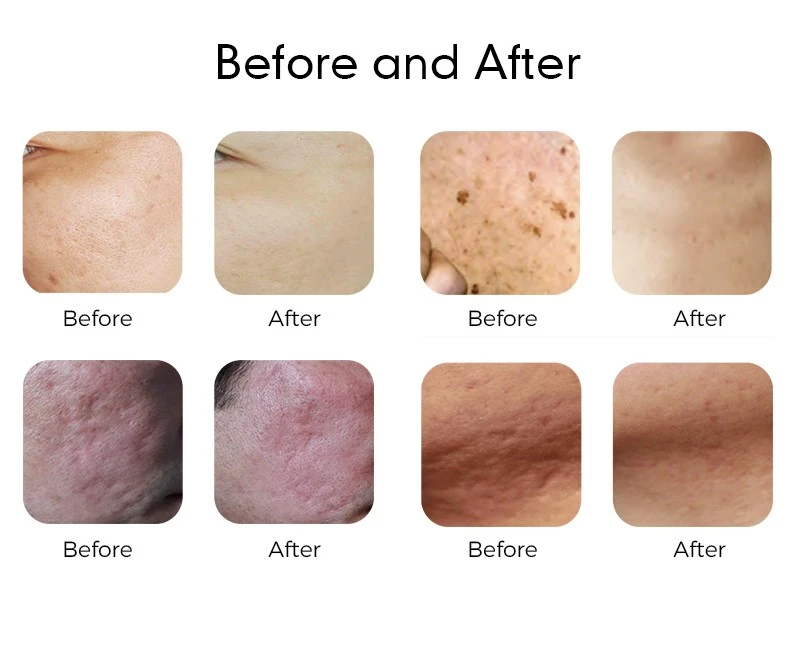
often used to improve acne scars, fine lines, and wrinkles
Because the 1550nm wavelength reaches deeper structures, it is particularly suitable for structural remodeling rather than superficial brightening alone.
1927nm laser
primarily acts on the upper epidermal layers
has stronger absorption in water at superficial depths
is effective for pigmentation and epidermal resurfacing
supports treatment of sun damage, melasma, uneven tone, rough texture, enlarged pores
The 1927nm laser has become increasingly discussed in aesthetic news due to its role in superficial skin renewal with shorter downtime.
Treatment depth and skin layer interaction
Another key point when asking what is the difference between 1550 and 1927 laser is treatment depth.
1550nm typically reaches up to 1.4 mm into the dermis
1927nm generally affects 0.2–0.5 mm primarily in the epidermis
This means:
1550nm is ideal for dermal remodeling and scar revision
1927nm is ideal for epidermal resurfacing and pigment correction
Clinics often combine both wavelengths in multi-session treatment plans when addressing complex skin concerns such as both texture irregularities and pigmentation.
Main clinical indications of 1550nm laser
The 1550nm wavelength is widely applied for conditions that require deeper collagen reconstruction. Typical applications include:
acne scars and boxcar scars
fine lines and early wrinkles
mild to moderate skin laxity
textural roughness
enlarged pores
overall dermal rejuvenation
Because it works deeper, mild redness and swelling may last longer, and recovery may take several days depending on treatment intensity.
Main clinical indications of 1927nm laser
The 1927nm laser is used mainly for epidermal resurfacing, including:
photoaging and sun damage
superficial pigmentation
melasma management
uneven skin tone and dullness
superficial wrinkles
general brightening
Patients often choose this treatment when seeking visible skin refreshment with limited downtime, making it attractive for busy professionals.
Downtime and patient comfort: how do they differ?
A practical aspect that affects business operations is downtime.
1550nm treatments involve deeper heating
may lead to swelling
slightly longer recovery
suitable for patients ready for several days of rest
1927nm focuses on upper layers
typically faster healing
commonly marketed as "lunch-time resurfacing" in many clinics
matches high-frequency, repeatable treatment plans
Therefore, when discussing what is the difference between 1550 and 1927 laser, downtime expectations and treatment comfort are important distinguishing points.
Safety considerations and skin type suitability
Both wavelengths are used worldwide by qualified practitioners. However, wavelength choice must consider:
Fitzpatrick skin type
pigmentation risk
treatment energy level
post-procedure care
The 1927nm laser is often preferred for epidermal pigmentation concerns in appropriate protocols, while 1550nm may be selected for structural remodeling.
Market demand trend: growing interest in 1927nm laser systems
Aesthetic market news over recent years has highlighted growing patient demand for:
non-surgical solutions
short-downtime regeneration treatments
pigmentation correction
gentle resurfacing options
This trend has drawn increasing attention to 1927nm laser technology. Clinics and distributors recognize it as a business-expanding wavelength, especially in markets focusing on pigmentation and glow-enhancing treatments.
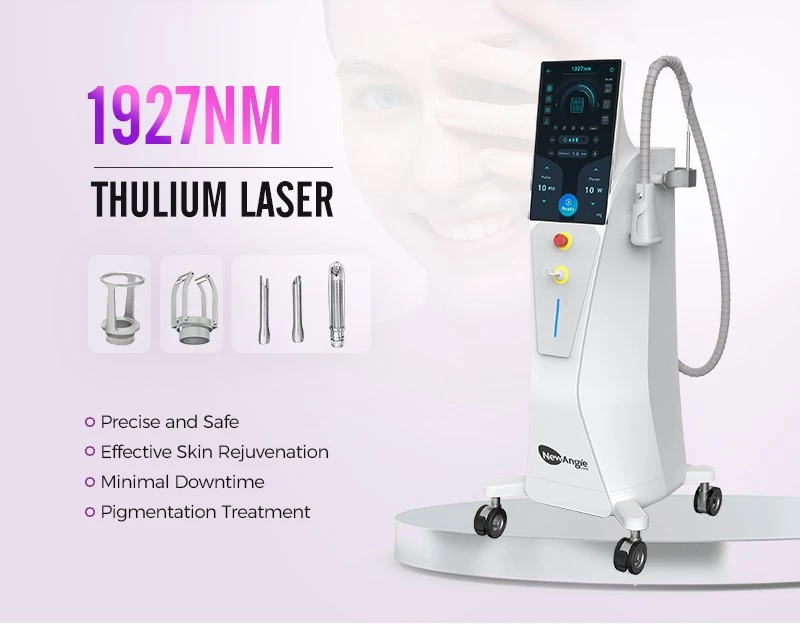
NewAngie's role: manufacturer of advanced beauty equipment
NewAngie is a professional beauty equipment factory specializing in the research, development, and production of medical-aesthetic devices. With years of experience in supplying equipment to global distributors and clinic owners, NewAngie closely follows international technology trends.
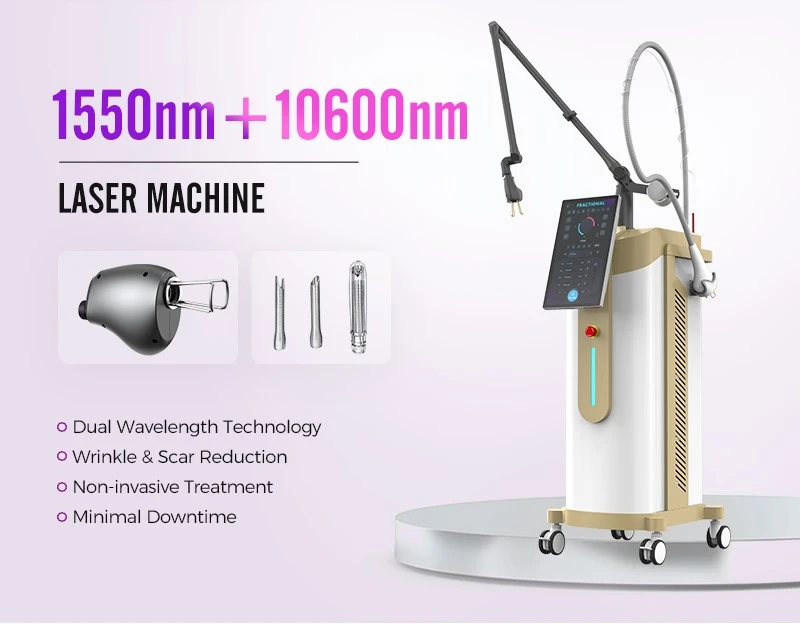
Responding to rising demand and to the question "What is the difference between 1550 and 1927 laser", NewAngie has developed a new 1927nm laser device designed for:
distributors wishing to open new markets
clinic owners expanding service menus
entrepreneurs starting aesthetic businesses
professionals focusing on pigmentation treatment programs
The equipment is designed with:
adjustable energy control
ergonomic handpieces
fractional scanning technology
intuitive interface
stable output systems
This supports both professional clinical use and reliable long-term operation for business partners.
Business value of choosing 1927nm laser equipment
From a commercial perspective, the 1927nm wavelength offers several advantages such as:
wide treatment indications
high demand for pigmentation and brightening care
repeatable treatment courses
manageable downtime
possibility of combination protocols
For distributors, offering 1927nm laser equipment opens opportunities to cooperate with:
aesthetic clinics
dermatology centers
medical spas
private beauty studios
For clinic owners, the device can be positioned within:
anti-aging programs
brightening and rejuvenation plans
post-summer repair treatments
full-face maintenance packages
This broadens revenue channels while meeting modern consumer preferences.
Why NewAngie is a suitable partner for equipment sourcing
As a factory rather than only a trading company, NewAngie provides:
OEM/ODM support
stable product supply
direct manufacturer pricing
technical training assistance
marketing suggestions
The new 1927nm laser equipment developed by NewAngie reflects current technology direction in fractional resurfacing. It is designed for partners who want to:
expand their client bases
upgrade service standards
establish or enlarge aesthetic businesses
With continuous product development capability, NewAngie aims to support long-term cooperation rather than short-term transactions.


