


How Long Does Pigmentation Take to Fade After Laser Treatment?
Laser treatment is widely used to reduce pigmentation issues such as sunspots, age spots, melasma, and post-inflammatory hyperpigmentation (PIH). While many patients expect immediate results, pigmentation fading is a gradual process driven by skin healing and natural pigment turnover.
Understanding the typical timeline helps set realistic expectations and improves treatment satisfaction.
Immediate Post-Laser Phase (First 24–72 Hours)
After laser treatment, it is normal to experience:
Mild redness or swelling
Darkening of pigmented areas (known as "coffee-ground" or crusting effect)
Sensitivity and warmth
This darkening is a positive sign, indicating that the laser has successfully targeted melanin. Pigment particles rise to the surface as the skin begins to heal.
Early Fading Stage (7–14 Days)
Within 1–2 weeks:
Darkened spots begin to flake or peel naturally
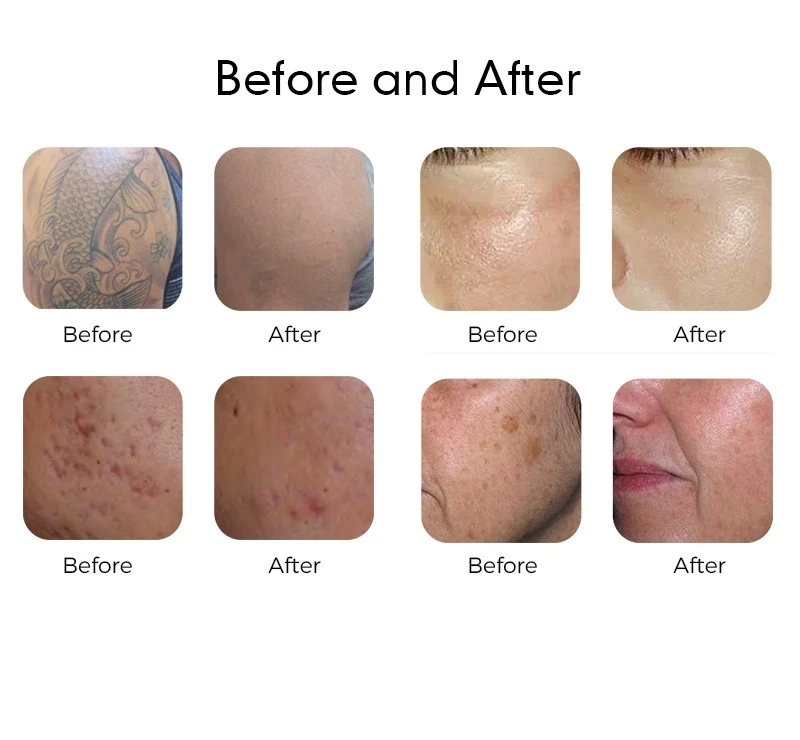
Pigmentation starts to look lighter
Skin tone becomes more even
At this stage, many patients see visible improvement, especially with sunspots and freckles.
Continued Improvement Phase (4–8 Weeks)
Between 1 and 2 months:
Pigment continues to break down and clear
Collagen remodeling improves skin clarity
Overall brightness and smoothness increase
For most pigment conditions, this is when results become clearly noticeable.
Final Results Timeline (3–6 Months)
Complete pigment fading can take up to 3–6 months, particularly for:
Deep dermal pigmentation
Melasma
Post-inflammatory hyperpigmentation (PIH)
Laser treatment initiates pigment clearance, but the skin requires time to fully renew and stabilize melanin production.
Timeline by Type of Pigmentation
Sunspots & Age Spots
Initial fading: 7–14 days
Near-final results: 4–6 weeks
Freckles
Often lighten quickly within 1–3 weeks
May require additional sessions for full clearance
Post-Inflammatory Hyperpigmentation (PIH)
Improvement begins: 2–4 weeks
Full fading: 2–4 months
Melasma
Gradual improvement: 4–12 weeks
Maintenance required due to recurrence risk
Factors That Affect How Fast Pigmentation Fades
1. Type of Laser Used
Advanced pigment-targeting lasers and fractional lasers often deliver faster and more uniform results.
2. Depth of Pigment
Epidermal pigment fades faster than deep dermal pigment.
3. Skin Type
Darker skin tones may take longer and require cautious treatment to avoid rebound pigmentation.
4. Sun Exposure
UV exposure after treatment can slow fading or cause pigmentation to return.
5. Post-Treatment Care
Strict aftercare dramatically influences results:
Daily sunscreen (SPF 30–50+)
Avoiding heat and exfoliation
Using prescribed topical agents
How Many Laser Sessions Are Needed?
Pigmentation often requires multiple laser sessions, especially for stubborn or widespread discoloration.
Mild cases: 1–2 sessions
Moderate pigmentation: 2–4 sessions
Melasma or deep PIH: 3–6 sessions or ongoing maintenance
Sessions are typically spaced 3–6 weeks apart.
When Pigmentation Takes Longer or Comes Back
Some pigmentation types, particularly melasma, are influenced by:
Hormones
Heat exposure
Genetics
Laser treatment improves appearance but may not provide permanent clearance. Maintenance therapy and lifestyle adjustments are essential.
How to Speed Up Pigment Fading After Laser
To maximize results:
Use broad-spectrum sunscreen daily
Avoid sun exposure and tanning
Follow professional skincare guidance
Stay hydrated and support skin healing
Avoid picking or peeling treated areas
Pigmentation usually begins to fade within 1–2 weeks after laser treatment, with clearer, more even skin developing over 4–8 weeks. Complete results may take up to 3–6 months, depending on pigment depth, skin type, and aftercare.
Laser treatment is effective, but patience and proper post-treatment care are key to achieving long-lasting pigment reduction.


