


What Is the Best Age for RF Skin Tightening?
Radiofrequency (RF) skin tightening has become one of the most widely adopted non-invasive aesthetic treatments for facial and body rejuvenation. Its popularity is driven by its ability to stimulate collagen production, improve skin laxity, and deliver gradual, natural-looking results with minimal downtime. However, one of the most common questions asked by patients and clinics alike is: What is the best age to start RF skin tightening?
The answer is not defined by a single number. Instead, the ideal age for RF skin tightening depends on several factors, including skin condition, aging stage, lifestyle habits, and treatment goals. This article explores how RF skin tightening works, how skin aging progresses at different ages, and when RF treatments are most effective.
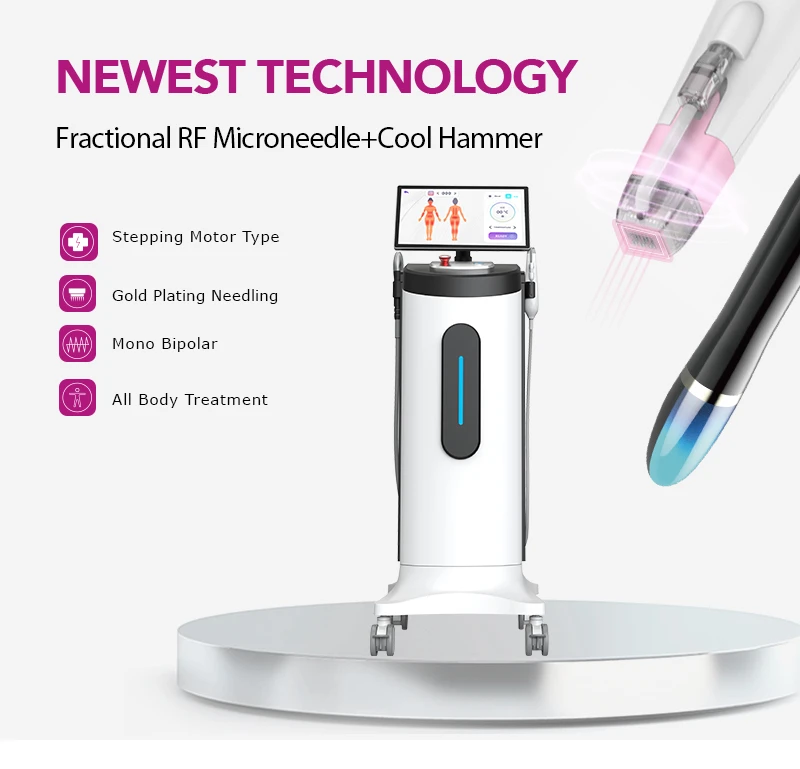
Understanding RF Skin Tightening Technology
Before discussing age suitability, it is important to understand how RF skin tightening works.
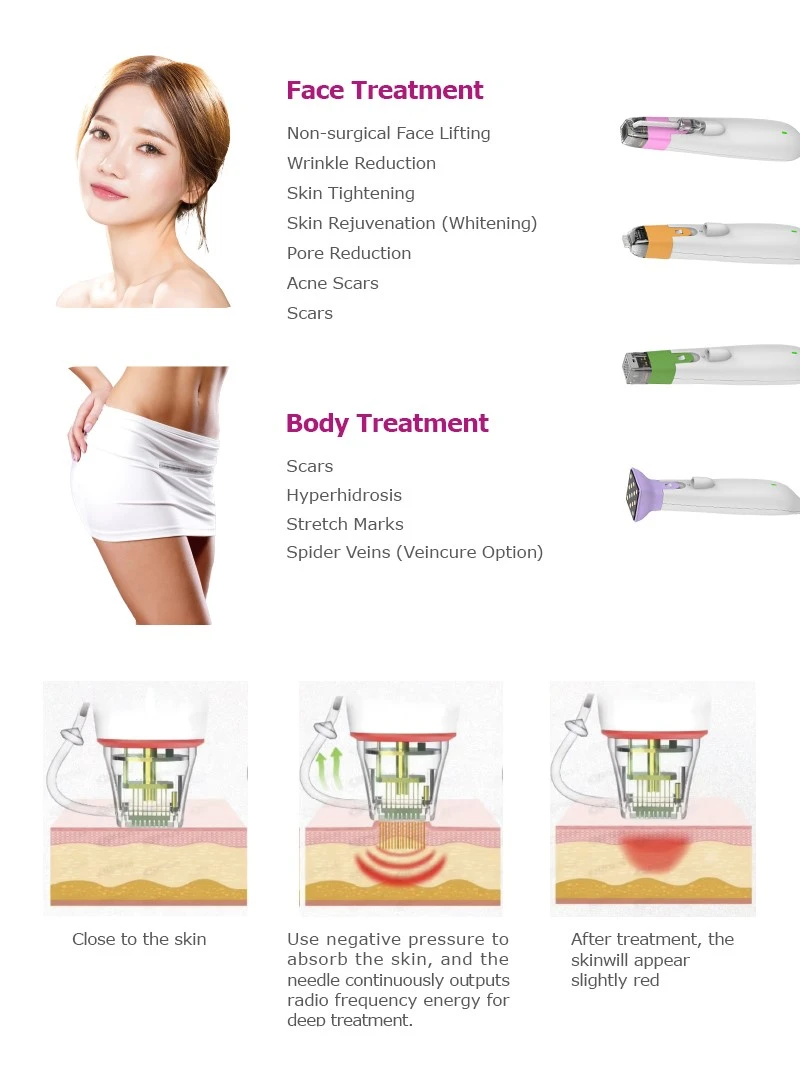
RF devices deliver controlled radiofrequency energy into the dermal layers of the skin. This energy generates heat in the deeper tissues while keeping the surface skin relatively protected. The heat triggers two key responses:
Immediate collagen contraction, which provides a mild tightening effect shortly after treatment.
Long-term collagen remodeling, where fibroblasts are stimulated to produce new collagen and elastin over several weeks to months.
Unlike laser treatments, RF technology is color-blind, meaning it does not target melanin. This makes RF suitable for all skin types and tones, with a relatively low risk of pigmentation-related side effects.
How Skin Aging Changes With Age
Skin aging is a gradual biological process influenced by intrinsic (genetic) and extrinsic (environmental) factors. Understanding how skin changes over time helps determine when RF skin tightening may offer the greatest benefit.
In Your 20s: Prevention Stage
In the early to mid-20s, the skin typically has:
High collagen density
Strong elasticity
Good hydration levels
Rapid cell turnover
At this stage, visible signs of aging are minimal. Fine lines may appear only with facial expressions, and skin laxity is generally not a concern.
Is RF skin tightening necessary in your 20s?
For most people, RF is not essential at this age. However, low-energy RF treatments may be used as a preventive or maintenance approach, especially for individuals with:
Early signs of skin laxity
Thin or genetically less elastic skin
High sun exposure
Smoking habits
High-stress lifestyles
Preventive RF treatments in the 20s are usually conservative and spaced widely apart.
In Your 30s: Early Aging Intervention
The 30s are often considered the ideal starting age for RF skin tightening.
Biologically, collagen production begins to decline by approximately 1% per year after the mid-20s. In the 30s, this decline becomes more noticeable, leading to:
Early skin laxity
Fine lines around the eyes and mouth
Reduced firmness in the cheeks and jawline
Slower skin recovery
At this stage, the skin still has sufficient collagen reserves, making it highly responsive to RF stimulation.
Why RF works well in the 30s:
Collagen-producing cells are still active
Skin responds efficiently to thermal stimulation
Results appear more natural and progressive
Fewer sessions are typically required
For individuals in their 30s, RF skin tightening is often used to slow down visible aging rather than reverse severe laxity. This makes outcomes more predictable and long-lasting.
In Your 40s: Corrective and Maintenance Phase
The 40s mark a more noticeable transition in skin aging. Common changes include:
Moderate skin laxity
Deeper fine lines and wrinkles
Loss of facial volume
Reduced elasticity in the neck and jawline
Hormonal changes, especially for women, may accelerate collagen loss and skin thinning.
Is RF effective in the 40s?
Yes. RF skin tightening remains highly effective in this age group, but treatment strategies often change.
In the 40s:
More sessions may be required
Combination therapies (RF + microneedling or RF + ultrasound) may be recommended
Results are gradual rather than immediate
RF at this stage is often used for:
Jawline definition
Neck tightening
Mid-face lifting
Wrinkle softening
While RF may not replicate surgical lifting results, it provides meaningful improvement with a lower risk profile.
In Your 50s: Skin Support and Improvement
In the 50s, skin aging becomes more advanced due to prolonged collagen degradation and reduced elastin structure. Typical concerns include:
Pronounced skin sagging
Crepey skin texture
Deep wrinkles
Loss of firmness in facial contours
Can RF still help in the 50s?
Yes, but expectations must be realistic.
RF skin tightening in this age group is best viewed as a supportive and enhancing treatment rather than a dramatic lifting solution. RF can:
Improve skin texture
Increase firmness
Enhance skin quality
Support post-surgical or injectable treatments
Clinics often recommend multi-session protocols and combination treatments for optimal outcomes.
In Your 60s and Beyond: Skin Quality Focus
For individuals in their 60s and older, skin structure has undergone significant changes:
Collagen and elastin fibers are fragmented
Skin thickness is reduced
Healing capacity is slower
RF treatments can still be beneficial, especially for improving skin texture and comfort, but results are more subtle.
At this stage, RF is commonly used to:
Enhance skin appearance
Improve comfort and hydration
Complement medical aesthetic procedures
While RF may not significantly lift heavily sagging skin, it can improve overall skin condition and patient satisfaction.
Best Age for RF Skin Tightening: A Practical Summary
Rather than focusing on a single age, it is more accurate to consider skin condition and treatment goals.
| Age Range | RF Suitability | Primary Goal |
|---|---|---|
| 20–29 | Optional | Prevention |
| 30–39 | Highly recommended | Early intervention |
| 40–49 | Very effective | Correction + maintenance |
| 50–59 | Moderately effective | Skin support |
| 60+ | Limited but beneficial | Skin quality improvement |
Most professionals agree that the best age to start RF skin tightening is between 30 and 45, when collagen loss has begun but skin responsiveness remains high.
Factors More Important Than Age
Chronological age alone does not determine RF suitability. Several other factors may influence outcomes:
1. Skin Laxity Level
Mild to moderate laxity responds best to RF treatments.
2. Lifestyle Habits
Smoking, sun exposure, poor diet, and lack of sleep accelerate collagen breakdown.
3. Treatment Consistency
Regular maintenance treatments deliver better long-term results.
4. Device Quality and Technology
Advanced RF devices with stable energy output and precise temperature control improve safety and effectiveness.
5. Practitioner Experience
Correct energy settings, treatment depth, and technique are essential for optimal results.
RF Skin Tightening as a Long-Term Strategy
RF skin tightening should not be viewed as a one-time solution. Instead, it works best as part of a long-term skin management plan.
Starting earlier allows:
Lower energy levels
Fewer sessions
More natural aging progression
Starting later still offers benefits but may require:
More sessions
Combination treatments
Adjusted expectations
There is no single "perfect" age for RF skin tightening, but starting earlier generally leads to better and longer-lasting outcomes. For most individuals, the ideal window is between the early 30s and mid-40s, when collagen loss has begun but skin regeneration remains strong.
That said, RF skin tightening can be beneficial at almost any age when applied correctly and with realistic goals. Rather than focusing solely on age, the most important considerations are skin condition, lifestyle, and personalized treatment planning.
When used appropriately, RF skin tightening remains a valuable, flexible, and widely accessible option for maintaining skin firmness and quality across different stages of life.


