


CO₂ laser resurfacing has remained one of the most reliable treatments for reducing wrinkles, improving skin texture, and rejuvenating aging skin. While newer technologies such as fractional lasers, RF microneedling, and pico lasers have emerged, the CO₂ laser remains a gold-standard choice for deep resurfacing-especially when patients expect significant wrinkle reduction.
One of the most common questions asked by both clients and practitioners is:
"How many CO₂ laser treatments do you need for wrinkles?"
The answer is not the same for everyone. Treatment quantity depends on factors such as the skin condition, treatment depth, the laser's technology, lifestyle habits, and the patient's expectations.
1. Understanding CO₂ Laser Resurfacing for Wrinkles
1.1 What Is a CO₂ Laser?
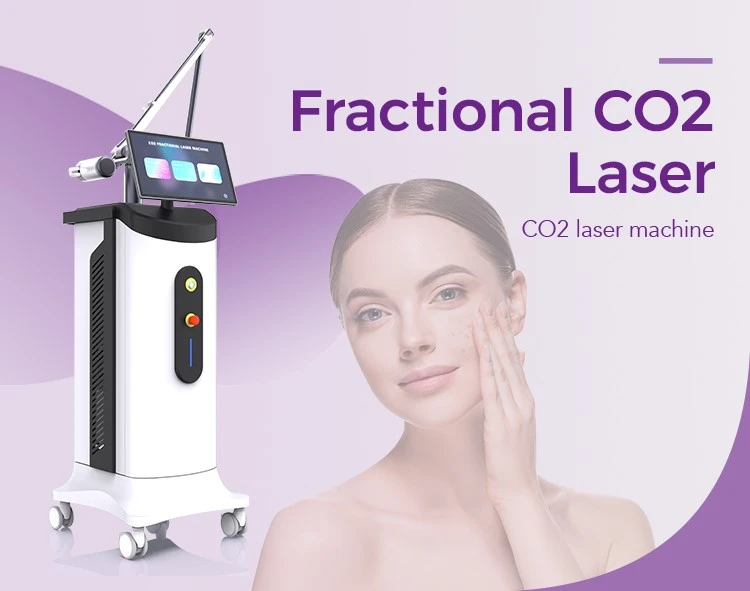
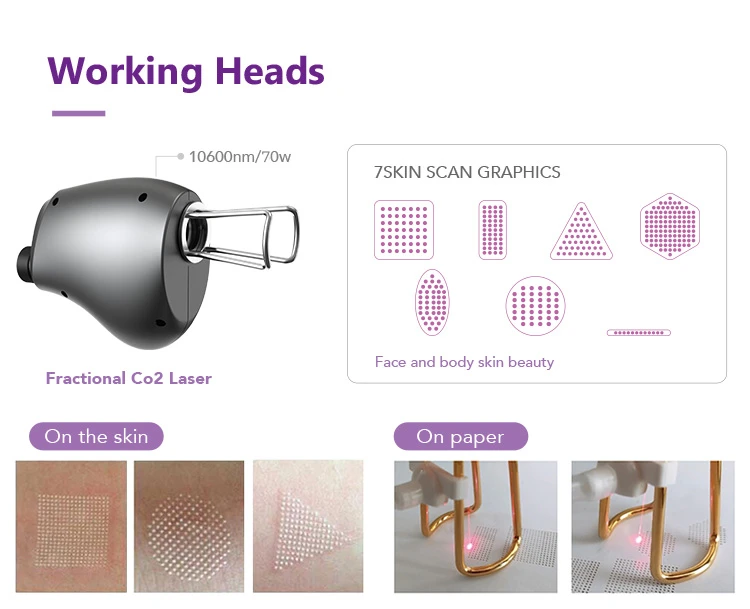
A CO₂ (carbon dioxide) laser emits a beam of light at 10,600 nm, targeting water in the skin tissues. Because the skin contains a high percentage of water, CO₂ lasers can vaporize damaged skin at controlled depths.
Modern CO₂ systems typically include:
Fractional CO₂: Creates microthermal zones instead of removing the entire top layer, reducing downtime.
Ultra-pulse CO₂ / Super-pulse CO₂: Delivers short bursts of high energy with minimal heat damage.
Traditional ablative CO₂: Removes the full surface layer for more dramatic wrinkle reduction but requires longer downtime.
1.2 Why CO₂ Lasers Work for Wrinkles
Wrinkles form due to collagen loss, sun exposure, aging, and skin laxity. CO₂ lasers:
Remove damaged skin
Stimulate collagen remodeling
Tighten existing collagen fibers
Promote new, healthier skin growth
This combination makes CO₂ laser one of the most effective treatments for:
Deep static wrinkles
Fine lines
Crow's feet
Forehead lines
Smoker lines
Under-eye creases
Skin texture roughness
Photoaging and sun damage
2. How Many CO₂ Laser Treatments Are Needed for Wrinkles?
Here is the general rule:
Most people need 1–3 CO₂ laser treatments for wrinkles, depending on skin severity and treatment intensity.
But the range varies:
• Mild wrinkles: 1–2 sessions
• Moderate wrinkles: 2–3 sessions
• Deep wrinkles or advanced aging: 3–5 sessions
Below is a deeper breakdown so both patients and clinicians can understand what influences these numbers.
3. Treatment Frequency Based on Wrinkle Severity
3.1 Mild Wrinkles (Fine Lines, Early Aging) – 1 to 2 Sessions
Individuals with mild sun damage, early fine lines around the eyes, or slight texture roughness usually require:
One strong fractional CO₂ session
or
Two lighter fractional CO₂ treatments spaced 3 months apart
This is also suitable for younger patients (25–35) who want preventive aging treatments.
Results:
Smoother skin texture
Subtle tightening
Early collagen remodeling
More even skin tone
3.2 Moderate Wrinkles (Moderate Photoaging) – 2 to 3 Sessions
Patients between 35–55 commonly fall into this category. They may have:
Noticeable crow's feet
Deeper forehead lines
Mild to moderate skin laxity
Sun-related pigmentation
Enlarged pores
Rough texture
Recommended protocol:
2–3 CO₂ laser sessions, typically spaced 3–6 months apart.
Each session builds upon the last, offering consistent improvements in:
Wrinkle depth
Skin elasticity
Overall texture
3.3 Deep Wrinkles (Severe Aging, Long-term Sun Damage) – 3 to 5 Sessions
Deep wrinkles require a multi-session plan because collagen damage is extensive. These wrinkles often occur in:
Individuals aged 55+
People with significant sun exposure
Smokers
Those with deep expression lines
Recommended:
3–5 fractional CO₂ treatments, often combined with supportive technologies like HIFU, RF microneedling, or dermal fillers.
Deep resurfacing can significantly improve skin quality, but multiple treatments are necessary for safe and steady collagen restoration.
4. Factors That Influence How Many CO₂ Treatments You Need
4.1 Skin Type and Thickness
Thicker skin (men, T-zone) may need fewer sessions because it responds well to deeper treatment.
Thinner or sensitive skin may need more sessions at lower intensity to avoid over-ablation.
4.2 Age and Collagen Condition
Younger skin (under 40): faster healing and stronger collagen → fewer sessions.
Older skin (50+): slower collagen production → more sessions for noticeable improvement.
4.3 Depth of Wrinkles
Superficial lines respond to one treatment, while deep creases (e.g., nasolabial folds) often require a multi-step approach.
4.4 Energy Level Used During Treatment
A single aggressive CO₂ session can deliver results equal to two or three lighter fractional sessions. However, aggressive treatments require more downtime.
Patients who prefer minimal downtime may choose several mild sessions instead.
4.5 Pretreatment Skin Condition
Skin that is:
Sun-damaged
Dehydrated
Smoking-related damaged
Poorly maintained
… usually requires more treatments than well-hydrated and sun-protected skin.
4.6 Post-Treatment Care
Proper aftercare influences collagen production.
Good healing = fewer total sessions
Poor healing (sun exposure, picking, smoking) = more treatments needed
4.7 Lifestyle and Habits
Smokers, tanning enthusiasts, and individuals who skip sunscreen often require more total CO₂ sessions.
4.8 Type of CO₂ Laser Technology
The type of laser impacts treatment quantity:
| CO₂ Laser Type | Typical Sessions | Remarks |
|---|---|---|
| Fractional CO₂ | 2–4 sessions | Popular due to safety and shorter downtime |
| Ablative CO₂ | 1–2 sessions | Stronger but requires long downtime |
| Ultra-Pulse CO₂ | 1–3 sessions | High precision with good results |
| Lite CO₂ Treatments | 3–5 sessions | For sensitive skin or slow remodeling |
Clinics should adjust energy and density based on client age, ethnicity, and healing response.
5. How Often Should CO₂ Laser Treatments Be Repeated?
The ideal spacing between CO₂ sessions is:
Every 3–6 months
This allows:
Complete collagen regeneration
Full resurfacing recovery
Safe skin barrier rebuilding
A second session should not be scheduled until the skin is fully healed and stabilized.
6. What Results to Expect After CO₂ Laser Treatments
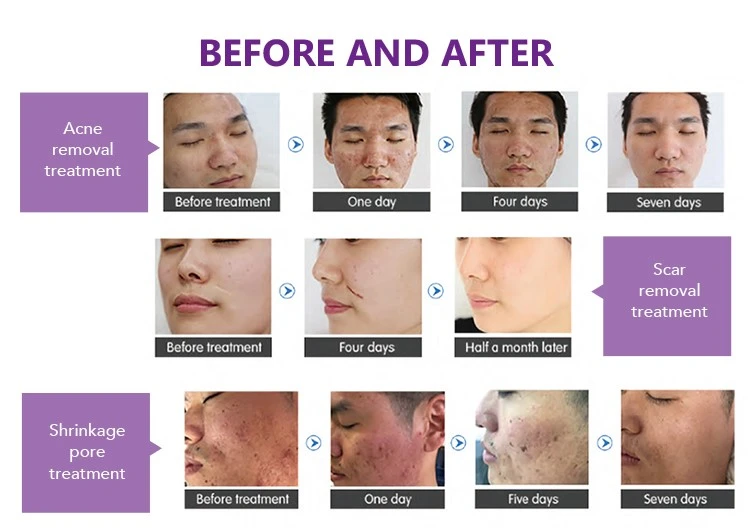
Most patients notice:
After 1 Session
Smoother surface
Reduction in fine lines
Improved brightness
Visible skin tightening
Pore minimization
After 2 Sessions
Wrinkles visibly softened
Better elasticity
Significant texture improvement
More even tone
Collagen remodeling becomes more noticeable
After 3–5 Sessions
Deep wrinkles reduced
Long-term collagen growth
Firmer, thicker skin
Complete rejuvenation of aged or sun-damaged skin
7. Why CO₂ Laser Is So Effective for Wrinkle Reduction
CO₂ lasers stimulate collagen at multiple levels:
Immediate contraction of collagen fibers
Destruction of old damaged collagen
Activation of new collagen synthesis
Dermal remodeling over months
Because wrinkles are caused by weakened collagen, CO₂ laser addresses the root cause rather than masking it.
8. Combining CO₂ Laser with Other Anti-Aging Treatments
To reduce the number of CO₂ sessions needed, many clinics combine treatments for faster results. Common combinations include:
8.1 HIFU (High-Intensity Focused Ultrasound)
Improves deep lifting
Tightens muscle fascia (SMAS layer)
Reduces jowls and laxity
8.2 RF Microneedling
Stimulates collagen at deeper dermal layers
Complements CO₂'s superficial ablation
8.3 Dermal Fillers
Replace lost volume
Work well with CO₂ for deep wrinkles
8.4 Botox
Relaxes expression lines
Prevents future wrinkle formation
Combination therapy often reduces the total number of laser sessions needed.
9. Long-Term Maintenance After CO₂ Laser
Wrinkle reduction from CO₂ is long-lasting, but not permanent because aging continues. Most people benefit from:
1 maintenance CO₂ session every 12–24 months.
Clinics should encourage clients to maintain results with:
Daily SPF 30+
Vitamin C serum
Retinoids (after skin fully heals)
Hydration boosters
Avoiding smoking and tanning
With proper maintenance, CO₂ results can last for many years.
10. Frequently Asked Questions
10.1 Can one CO₂ treatment remove all wrinkles?
For some people with mild wrinkles, yes.
For moderate to deep wrinkles, one treatment improves appearance significantly but not completely. Multiple sessions provide the best outcome.
10.2 Are results permanent?
Results can last many years, but the aging process continues naturally. Maintenance every 1–2 years is recommended.
10.3 Can CO₂ be used on all skin types?
Suitable for fair to medium skin tones
Requires extra caution for darker skin due to pigmentation risk
Fractional CO₂ is safer than full-ablative CO₂ for high-risk skin tones
10.4 How painful is CO₂ laser?
Topical numbing, cold air, or nerve blocks minimize discomfort. Fractional CO₂ is less painful than traditional ablative CO₂.
11. Summary: How Many CO₂ Laser Treatments Do You Need for Wrinkles?
To summarize:
Mild wrinkles → 1–2 sessions
Moderate wrinkles → 2–3 sessions
Deep wrinkles → 3–5 sessions
Maintenance → 1 session every 12–24 months
Different factors-age, skin type, wrinkle severity, technology used, and aftercare-affect the total number of treatments required.
CO₂ laser remains a powerful and reliable option for long-term wrinkle reduction, making it a valuable treatment in any aesthetic clinic.


