


In recent years, the global beauty industry has witnessed a remarkable rise in demand for non-invasive facial and body treatments. Among these advanced technologies, HIFU (High-Intensity Focused Ultrasound) has emerged as one of the most popular and effective options for skin tightening, facial lifting, and anti-aging. From celebrity clinics to local beauty salons, HIFU has become a trusted name in the world of aesthetic innovation, offering visible results without surgery, pain, or downtime.
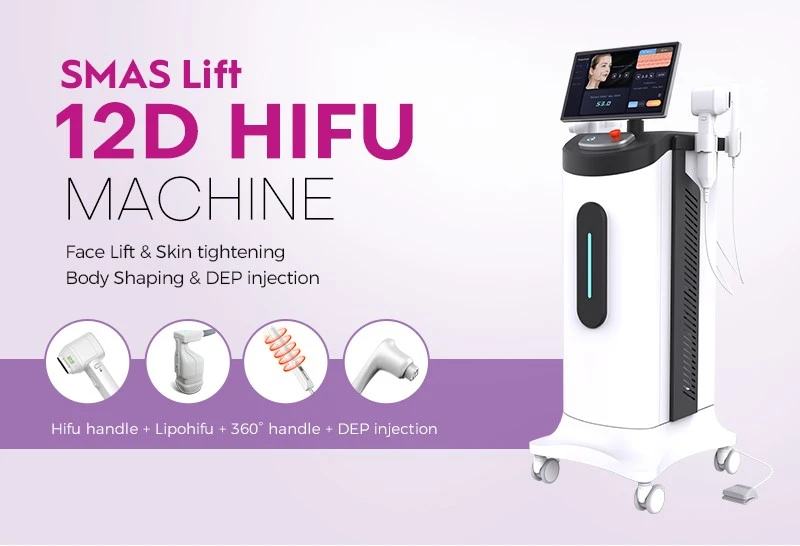
What Is HIFU?
HIFU stands for High-Intensity Focused Ultrasound, a technology that uses concentrated ultrasound energy to stimulate collagen production deep within the skin layers. Unlike lasers or radiofrequency, which target the surface or upper layers, HIFU penetrates deep into the SMAS (Superficial Muscular Aponeurotic System) layer-the same layer that surgeons lift during a facelift.
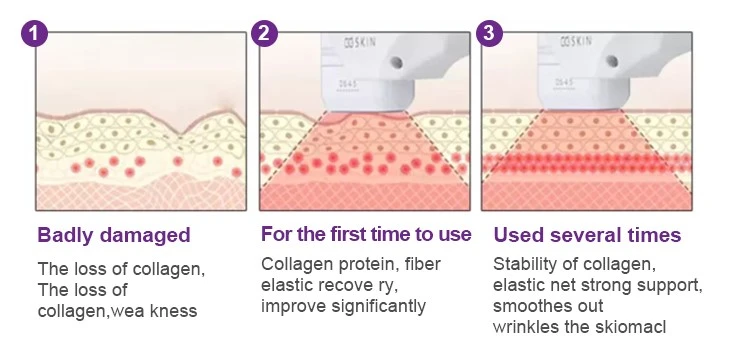
By delivering focused ultrasound energy to precise depths, HIFU causes thermal coagulation points that trigger the body's natural healing process. This stimulates new collagen and elastin production, leading to firmer, tighter, and lifted skin over time.
How HIFU Works
The principle of HIFU lies in using ultrasound energy to create controlled thermal injury in the targeted tissue. When focused on a specific point beneath the skin, the temperature rises to around 60–70°C, which causes collagen contraction and initiates neocollagenesis (the formation of new collagen).
The beauty of HIFU technology is its precision-energy is concentrated only at specific depths, leaving the surface of the skin undamaged. As collagen regenerates, patients notice gradual lifting and tightening effects that can last for several months to over a year.
Key Treatment Areas
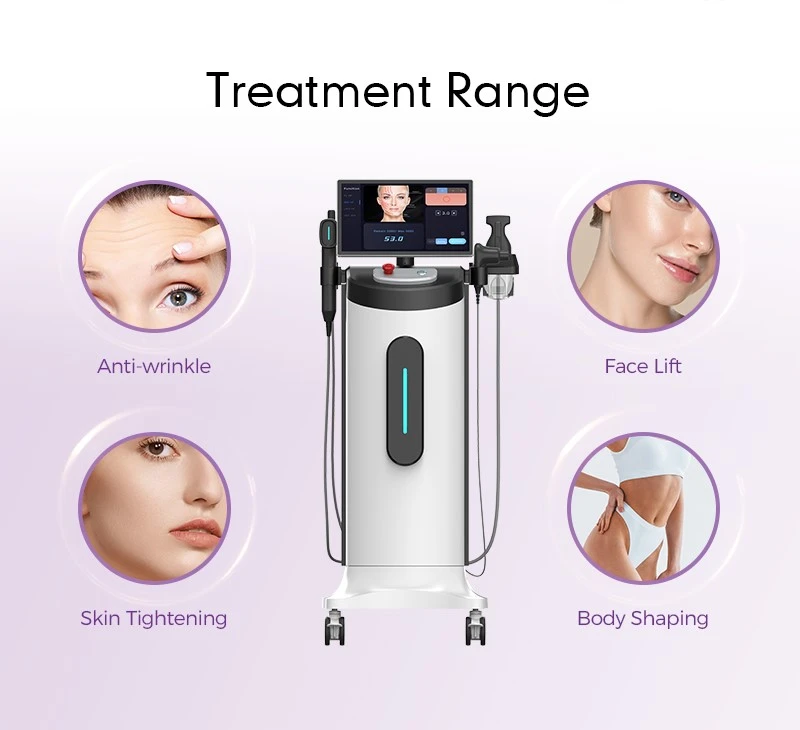
HIFU is a multi-functional treatment that can be applied to both the face and body. Common treatment areas include:
Face
Forehead and brow lifting
Eye bags and fine lines around the eyes
Cheek and jowl tightening
Double chin reduction
Jawline contouring
Nasolabial fold softening
Neck firming
Body
Upper arm tightening
Abdomen and waist slimming
Thigh and knee lifting
Buttock firming
HIFU treatments are especially popular for non-surgical face lifting, providing a natural and youthful look without injections or recovery time.
The HIFU Treatment Procedure
A standard HIFU session follows these main steps:
Consultation and Skin Assessment
The practitioner examines the client's skin condition, elasticity, and aging concerns. Treatment parameters and target depths are customized for individual needs.
Preparation
A cooling gel is applied to the skin to ensure smooth contact and enhance ultrasound transmission.
Energy Delivery
The HIFU handpiece delivers focused ultrasound pulses to various depths-typically 1.5mm, 3.0mm, and 4.5mm for the face, and up to 13mm for body treatments. Each cartridge targets different layers, from superficial dermis to deep SMAS tissue.
Treatment Duration
A full-face HIFU session typically lasts 45–60 minutes. For body contouring, treatment time may extend up to 90 minutes depending on the area.
Post-Treatment
There is no downtime; clients can immediately return to normal activities. Mild redness or slight tingling may appear but usually resolves within a few hours.
Results and Benefits
1. Natural Lifting Effect
HIFU gradually lifts and firms sagging skin by rebuilding collagen structure. The results look natural, avoiding the "over-pulled" appearance associated with surgical facelifts.
2. Long-Lasting Results
Most users begin to see visible improvement after 4–8 weeks, as collagen regeneration takes time. Full results peak around three months and can last up to 18–24 months, depending on age, skin condition, and lifestyle.
3. No Surgery, No Downtime
Unlike invasive procedures, HIFU requires no anesthesia, no incisions, and no recovery time. It's often called the "lunchtime facelift" because patients can return to work or social activities immediately.
4. Safe and FDA-Approved Technology
HIFU devices are backed by medical research and approved for skin lifting applications in many countries. The non-invasive nature and adjustable energy levels make it suitable for most skin types.
5. Versatile Applications
Beyond facial rejuvenation, advanced HIFU systems are used for body sculpting, fat reduction, and skin tightening-making it a comprehensive beauty solution for clinics.
How HIFU Differs from Other Treatments
| Technology | Target Layer | Effect | Downtime |
|---|---|---|---|
| HIFU | Deep dermis and SMAS | Tightens and lifts | None |
| RF (Radiofrequency) | Upper dermis | Improves elasticity | Minimal |
| Laser | Epidermis and upper dermis | Treats pigmentation and texture | Mild redness |
| Thread Lifting | SMAS and subcutaneous tissue | Immediate lift | Mild swelling/bruising |
| Surgery | All layers | Dramatic results | Long recovery |
HIFU fills the gap between non-invasive and surgical treatments, offering a balance of results and safety.
Ideal Candidates for HIFU
HIFU is suitable for:
Individuals aged 30–65 with mild to moderate skin laxity
People seeking natural, gradual improvement without surgery
Those who want to delay or avoid facelifts
Clients with early signs of aging such as sagging cheeks, fine lines, or drooping eyelids
It's less suitable for those with severe skin laxity or very thick subcutaneous fat, where surgical options might be more effective.
Possible Side Effects
HIFU treatments are generally safe, but minor side effects can occur, such as:
Mild redness or swelling
Temporary tingling or tenderness
Slight bruising in rare cases
These effects are short-lived and typically resolve within a few days. Proper hydration and sunscreen use are recommended after treatment to protect newly stimulated skin.
HIFU Technology in the Global Market
The HIFU market has seen exponential growth due to increasing awareness of non-surgical aesthetics. According to global beauty industry reports, the demand for HIFU machines and treatments has grown by over 20% annually, driven by rising interest from both clinics and consumers.
Manufacturers continue to develop multi-line HIFU, 12D HIFU, and 3D HIFU systems with multiple cartridges, improving energy accuracy and treatment speed. These innovations have made HIFU a key player in modern anti-aging therapy.
Why Professionals Choose HIFU Devices
High ROI (Return on Investment): Low operating cost with strong demand from repeat clients.
Multi-purpose use: Face lifting, body tightening, wrinkle reduction, and contouring.
User-friendly interface: Easy to operate with preset treatment modes.
Reliable performance: Stable output and long-lasting transducers.
Clinics that adopt professional-grade HIFU systems attract clients seeking visible results without the risks of invasive surgery.
Patient Experience and Feedback
Most clients describe HIFU as a comfortable and confidence-boosting experience. Treatments are typically well tolerated, and results improve gradually. Many patients report compliments on their lifted facial contours, tighter skin, and refreshed appearance after a few months.
The satisfaction rate remains high, particularly among individuals looking for natural anti-aging outcomes that maintain facial harmony.
The Future of HIFU Beauty Treatments
With continuous improvements in ultrasound technology, HIFU is expected to evolve into an even more versatile platform for skin care. The next generation of HIFU machines will likely integrate AI skin analysis, 3D mapping, and energy optimization, providing customized treatment plans for different skin types and goals.
As consumers increasingly prefer non-invasive rejuvenation, HIFU is projected to remain a leading solution in global medical aesthetics.


