


How Expensive Is Laser Tattoo Removal in Canada
Understanding the Real Cost Behind Removing Unwanted Tattoos
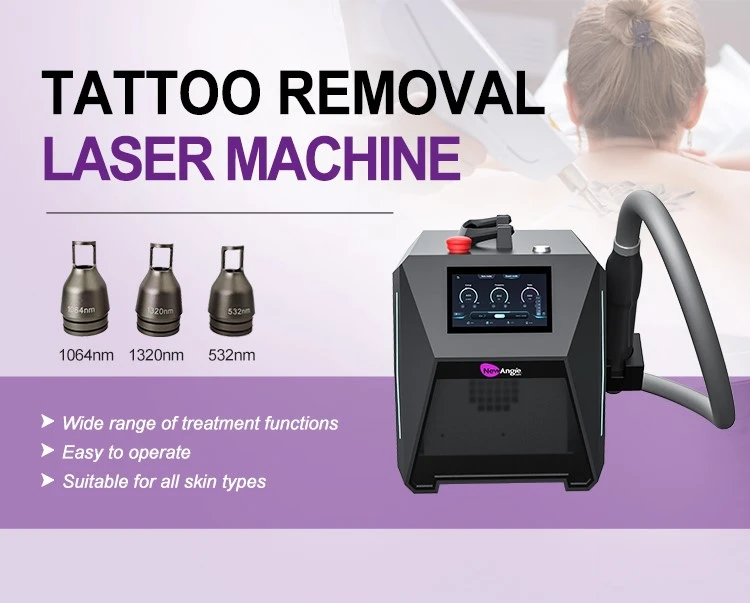
Tattoos have long been symbols of personal expression, identity, and creativity. However, as trends change and personal circumstances evolve, many Canadians find themselves reconsidering their ink. Laser tattoo removal has become the most effective and widely accepted method to eliminate unwanted tattoos.
But a major question remains: how expensive is laser tattoo removal in Canada?
This article explores the costs in detail-what influences the price, how many sessions are needed, the role of technology, and what Canadians can realistically expect to spend when erasing old tattoos.
1. The Growing Demand for Tattoo Removal in Canada
In recent years, tattoo removal has seen a steady rise across Canada. A growing number of individuals-ranging from professionals entering new careers to those simply changing aesthetics-are seeking ways to fade or completely remove old ink.
The expansion of medical aesthetics clinics, combined with improved laser technologies, has made tattoo removal more accessible and effective than ever. Modern lasers can target a wider range of ink colours with greater precision, reducing the total number of sessions required. However, these advancements also come with higher equipment and operating costs, which influence treatment pricing.
2. Average Cost of Laser Tattoo Removal in Canada
Laser tattoo removal costs in Canada can vary widely based on several factors such as tattoo size, location on the body, colour, skin type, and the technology used.
Generally speaking, the average price per session ranges between CAD $150 and CAD $500, with larger or more complex tattoos costing significantly more.
To completely remove a tattoo, most individuals need between 5 and 12 sessions, spaced 6 to 8 weeks apart to allow the skin to heal and the body to naturally remove fragmented ink particles.
That means the total cost for complete removal typically ranges from CAD $1,000 to over CAD $5,000. Smaller tattoos, like initials or symbols, might cost as little as $300 to $800 to remove, while large or colourful back pieces could exceed $10,000 over time.
3. Why Laser Tattoo Removal Prices Vary
a. Tattoo Size and Complexity
The size of the tattoo is one of the main determinants of cost.
A small 2x2 cm tattoo on a wrist might take only a few minutes to treat, while a large design on the back or leg could take over an hour. Clinics often calculate pricing based on surface area or treatment time.
Small tattoos: $100–$250 per session
Medium tattoos: $200–$500 per session
Large tattoos: $500–$1,000 or more per session
b. Number of Colours
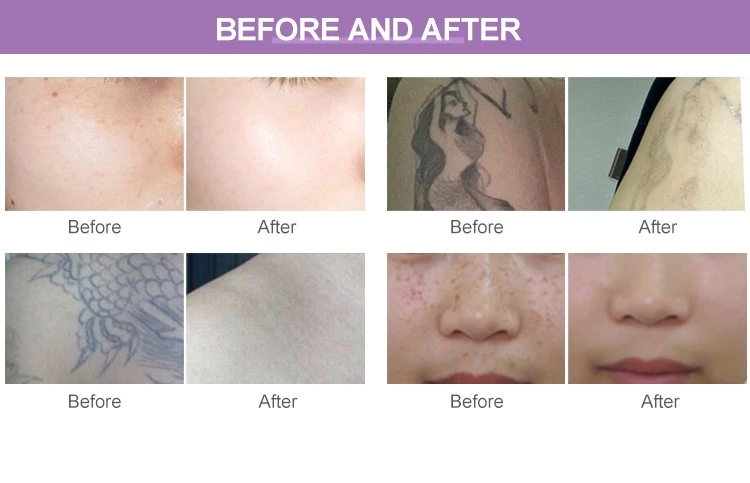
Black ink is the easiest to remove because it absorbs the full light spectrum. Coloured inks, especially blue, green, and yellow, require specific laser wavelengths and often more sessions. Multi-coloured tattoos generally increase both time and cost.
c. Laser Technology Used
There are two main types of lasers used for tattoo removal:
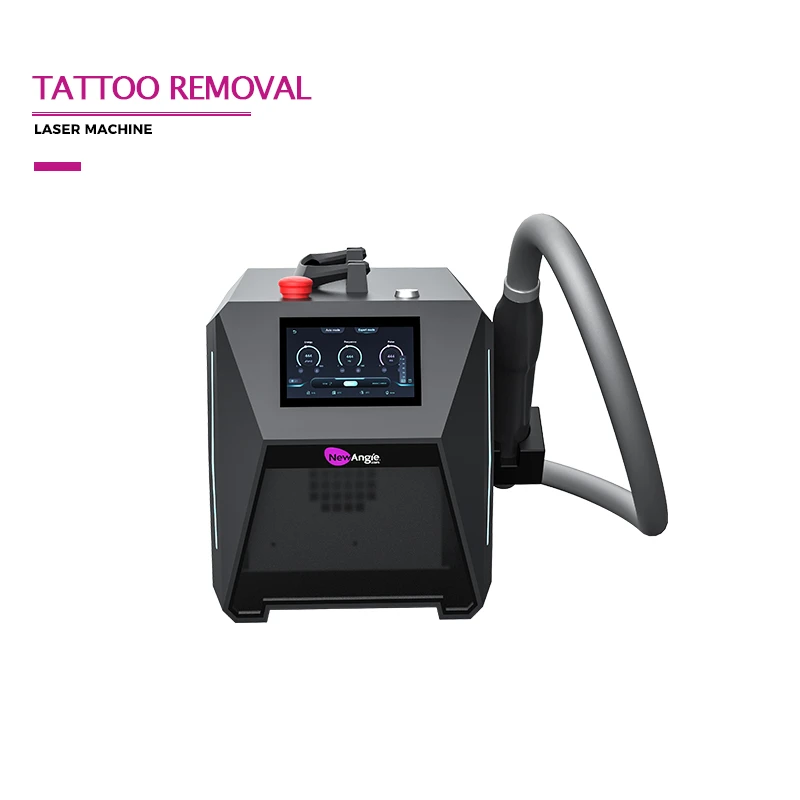
Q-switched lasers (nanosecond pulses): The most established technology, effective for most dark inks. These devices are relatively affordable and widely available, which can make treatment costs lower.
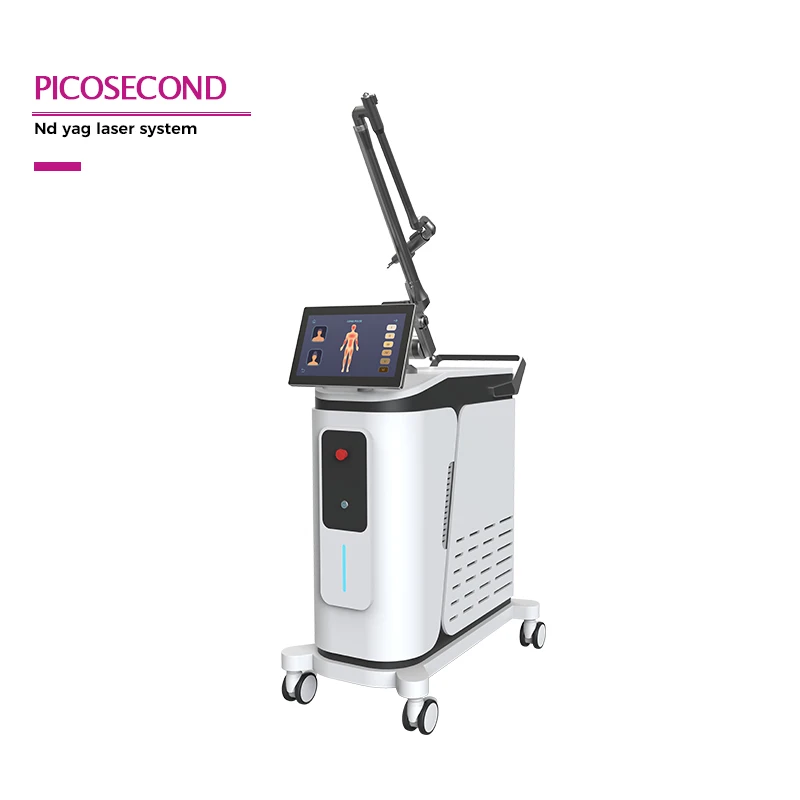
Picosecond lasers (picosecond pulses): The latest generation, delivering faster, shorter bursts of energy. They often remove tattoos in fewer sessions and are effective for stubborn colours, but treatment costs are usually higher per session.
Clinics using advanced pico lasers may charge a premium of 20–50% more per session than those using older systems, reflecting the higher cost of the device.
d. Location of the Clinic
Pricing can vary depending on where the clinic is located.
Major cities such as Toronto, Vancouver, Montreal, and Calgary often have higher operational costs, resulting in slightly higher treatment prices. In smaller towns, prices may be more affordable, but the choice of equipment or experienced technicians may be limited.
e. Practitioner Expertise
Tattoo removal should always be performed by a qualified practitioner with proper laser safety training. Highly experienced specialists may charge more for their services, but their expertise often results in safer procedures, fewer complications, and better cosmetic outcomes.
4. Session Requirements and Total Cost Estimation
The total cost of laser tattoo removal is closely linked to how many sessions are needed. This depends on several biological and technical factors.
a. Tattoo Age
Older tattoos tend to fade over time and may respond faster to laser treatment, often requiring fewer sessions. Fresh or dense professional tattoos, on the other hand, usually require more effort to break down.
b. Ink Depth and Type
Professional tattoos use high-quality inks placed deeper in the dermis, while amateur tattoos often use surface-level inks. Deeper ink layers take longer to fragment and remove.
c. Skin Tone
Darker skin tones require more conservative laser settings to avoid pigment alteration, which can extend the treatment process and slightly increase the number of sessions.
d. Immune System Response
The body's lymphatic system clears the fragmented ink particles after each session. People with strong immune function and healthy lifestyles may notice faster fading.
A typical tattoo removal timeline might look like this:
| Tattoo Size | Per-Session Cost (CAD) | Average Sessions | Total Estimated Cost |
|---|---|---|---|
| Small (1–2 inch) | $100–$250 | 3–6 | $300–$1,500 |
| Medium (3–6 inch) | $200–$500 | 6–10 | $1,200–$5,000 |
| Large (Full sleeve/back) | $500–$1,000+ | 8–15 | $4,000–$10,000+ |
5. Treatment Process and What's Included in the Price
Consultation and Patch Test
Before treatment, clinics typically conduct a consultation to assess the tattoo, discuss expectations, and perform a small test spot to check skin response. Some clinics charge a nominal consultation fee ($50–$100), while others include it for free.
Per-Session Treatment
Each session includes preparation, laser application, and aftercare instructions. Depending on tattoo size, treatment time can vary from 5 to 60 minutes. Cooling devices or topical anesthetics may be used to minimize discomfort-these may or may not be included in the quoted price.
Aftercare and Healing
Post-treatment, the skin is usually red and may blister or scab. Proper aftercare-keeping the area clean, moisturized, and protected from sunlight-is essential for good results. Clinics may recommend ointments or dressings, sometimes available at an additional cost.
6. Payment Options and Packages
Laser tattoo removal can become a significant expense, so many clinics provide flexible payment structures:
Pay-per-session: The most common method, allowing clients to pay as they go.
Prepaid packages: Clinics often offer discounts for purchasing multiple sessions upfront (e.g., buy 5 sessions, get 1 free).
Membership or loyalty discounts: Some clinics have recurring client programs with reduced rates.
Financing plans: Certain clinics partner with financing companies that allow monthly installment payments, helping clients spread out costs.
Patients should read all terms carefully before committing to long-term payment plans to ensure fairness and transparency.
7. The Role of Technology in Pricing
Q-Switched vs. Picosecond Lasers
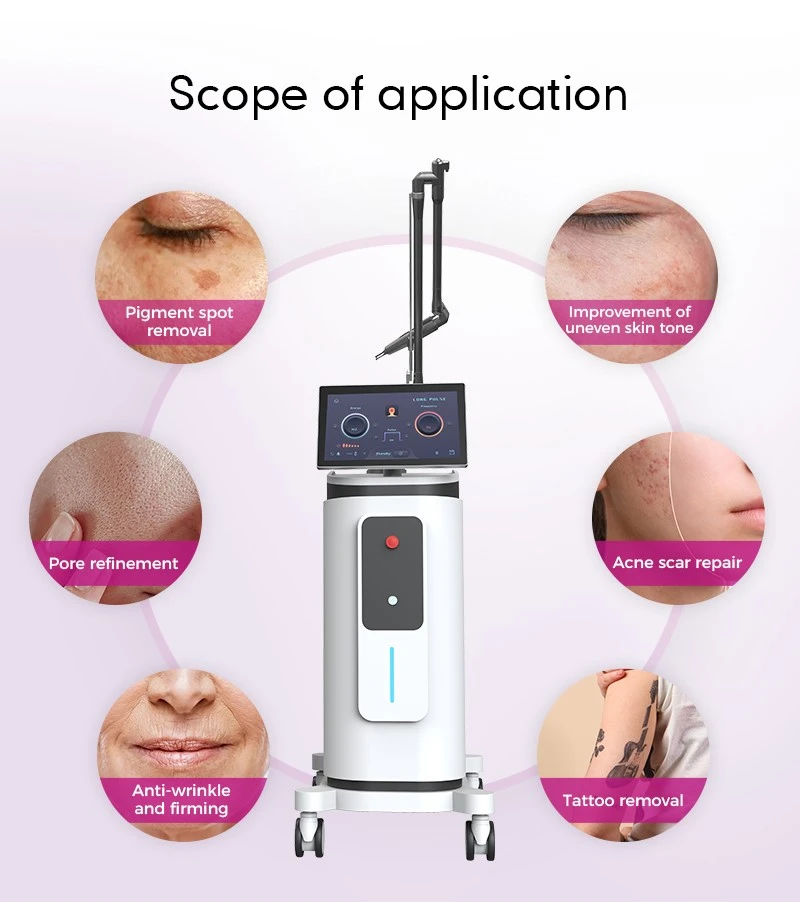
Q-switched Nd:YAG lasers are considered the workhorses of tattoo removal. They are effective, reliable, and relatively affordable for both clinics and patients.
Picosecond lasers (such as 755 nm or 532/1064 nm pico systems) offer faster and often more complete clearance, especially for stubborn colours, but can cost clinics over $100,000 to purchase.
That investment translates into higher service prices, typically 20–40% more per session than older models. However, because pico lasers can remove ink in fewer treatments, the total overall cost may end up similar or slightly lower in the long term.
Cooling Systems and Comfort Options
Some clinics include advanced skin-cooling devices that minimize discomfort and risk of side effects. While these improve patient experience, they can also contribute to slightly higher treatment fees.
8. Regional Price Comparisons Across Canada
While there's no universal standard, general regional pricing patterns can be observed:
Toronto & GTA: Average CAD $200–$600 per session; higher-end clinics may charge up to $1,000.
Vancouver & Lower Mainland: CAD $150–$500 per session for small to medium tattoos; larger areas up to $800.
Montreal & Ottawa: CAD $150–$400 per session, with discounts for prepaid packages.
Calgary & Edmonton: CAD $200–$500 per session, similar to the national average.
Smaller cities and rural areas: Prices may be 10–20% lower, though clinic availability can be limited.
These ranges reflect typical consumer pricing as of recent years and may fluctuate slightly due to inflation or updated technology.
9. Additional Factors That Can Affect Total Expense
a. Aftercare Products
Some patients purchase special creams or gels recommended by the clinic for post-treatment healing, adding around $20–$50 per session to total costs.
b. Missed Appointments
Cancellation fees or missed appointments may result in extra charges, especially when part of a prepaid package.
c. Re-treatments and Touch-Ups
Some tattoos leave faint "ghost" images or shadows that require occasional touch-up sessions. These are usually priced at a discounted rate but can increase the total expense over time.
10. Cost vs. Value: Is It Worth It?
While laser tattoo removal is not inexpensive, it remains the most effective, low-risk method to achieve clear, ink-free skin.
Alternative options-such as dermabrasion, salabrasion, or excision-are often more invasive and may lead to scarring. In contrast, laser treatment targets the pigment with minimal damage to surrounding tissue when performed correctly.
Patients considering removal for personal, professional, or aesthetic reasons often view the cost as an investment in confidence and comfort. For many, achieving freedom from unwanted ink outweighs the financial aspect.
11. How to Choose the Right Clinic
When selecting a laser tattoo removal provider, consider the following:
Credentials and Experience: Ensure practitioners are trained in laser safety and have experience treating various skin types.
Laser Equipment: Ask what type of laser is used (Q-switched or picosecond) and whether multiple wavelengths are available for different ink colours.
Safety Standards: Clinics should follow sterilization, protective eyewear, and skin-cooling protocols.
Transparent Pricing: Request a written estimate detailing session cost, package options, and expected number of treatments.
Patient Reviews: Check feedback from previous clients about effectiveness and professionalism.
Aftercare Support: Proper follow-up ensures good healing and optimal fading between sessions.
12. Tips to Reduce Costs
Start with a consultation: Some clinics offer free assessments, saving initial fees.
Ask about packages: Buying multiple sessions upfront can lower per-session costs.
Target fading, not full removal: If you plan to cover the old tattoo with new ink, partial fading may require fewer treatments and lower expenses.
Space out sessions correctly: Following the recommended 6–8 week intervals prevents unnecessary treatments.
Maintain healthy habits: Staying hydrated and avoiding smoking can improve your immune response and speed up fading.
13. Long-Term Value and Results
Most clients notice visible fading after just a few treatments. The success of tattoo removal depends on consistency and patience. While complete clearance may take several months to a year, the gradual results allow skin to heal naturally.
When performed by qualified professionals using the right technology, laser tattoo removal offers permanent results without significant scarring or pigment damage. Compared with temporary camouflage or cosmetic cover-ups, it provides a long-term solution that restores natural skin tone and confidence.
14. The Bottom Line: What Canadians Should Expect to Pay
To summarize the cost breakdown:
| Category | Typical Range (CAD) | Notes |
|---|---|---|
| Per session | $150 – $500 (average) | Based on tattoo size and colour |
| Total cost (complete removal) | $1,000 – $5,000+ | Most clients require 5–12 sessions |
| Consultation / test patch | Free – $100 | Often waived for booked treatments |
| Aftercare products | $20 – $50 | Optional but recommended |
| Touch-ups (if needed) | $100 – $250 | For residual pigment |
Ultimately, the cost of laser tattoo removal in Canada depends on multiple personal and technical factors. The most accurate way to determine your expense is to book a consultation with a qualified practitioner, who can evaluate tattoo size, colour, and skin type before providing an estimate.
Laser tattoo removal in Canada is a professional service that blends science, technology, and artistry. While it is not cheap, it offers a reliable and safe way to remove unwanted tattoos permanently.
Patients should expect to pay anywhere between CAD $150 and $500 per session, with total removal costs ranging from $1,000 to $5,000 or more, depending on tattoo size and complexity.
When choosing a clinic, prioritize expertise, safety, and transparency over the lowest price. A well-performed removal not only clears unwanted ink but also restores confidence and peace of mind - proving that, for many Canadians, the investment is truly worth it.


