


Why Tattoo Hygiene Matters
Tattooing involves puncturing the skin with a needle to deposit ink, creating a permanent design. Because it breaks the skin barrier, hygiene is critical to prevent infections, allergic reactions, and complications. Proper sanitation reduces the risk of bacterial contamination, bloodborne diseases, and poor healing outcomes. Both tattoo artists and clients must follow strict hygiene guidelines before, during, and after the tattooing process to ensure safety and high-quality results.
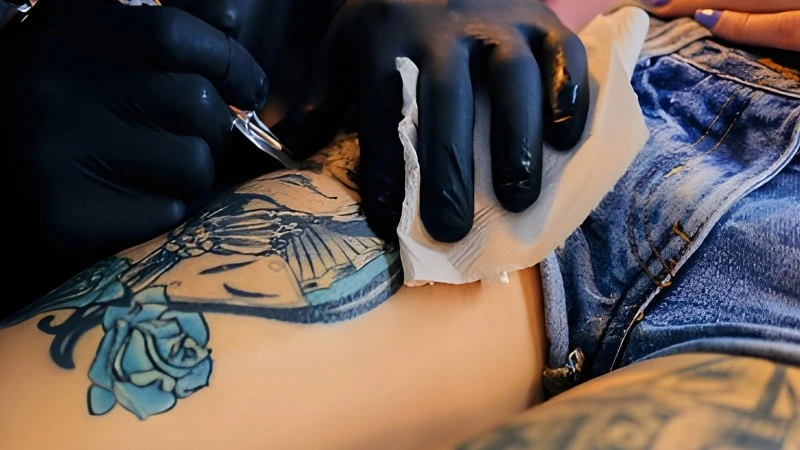
Pre-Tattoo Hygiene Practices
Before a tattoo session begins, both the artist and the client must take steps to ensure a sterile and safe procedure.
For Tattoo Artists:
- Wash hands thoroughly with antibacterial soap before and after handling equipment.
- Wear new, disposable gloves and change them if they come into contact with non-sterile surfaces.
- Disinfect the tattoo area with medical-grade antiseptics (e.g., isopropyl alcohol or chlorhexidine).
- Ensure all equipment, including tattoo needles, ink cups, and razors, are sterilized or single-use.
- Prepare a clean, organized workstation with properly covered surfaces.
For Clients:
- Shower and cleanse the skin before the appointment.
- Avoid applying lotions, oils, or perfumes to the area being tattooed.
- Shave the tattoo area if required, or allow the artist to do so under hygienic conditions.
- Do not get tattooed if experiencing illness, open wounds, or skin infections.
Creating a Sterile Tattooing Environment
A professional tattoo studio should follow strict sanitation protocols to minimize the risk of infections. Key hygiene standards include:
- Disinfecting Workstations: Tables, chairs, and tattoo machines should be wiped down with hospital-grade disinfectants before and after each session.
- Sterile Equipment: Needles and ink caps should be single-use and disposed of immediately after use. Tattoo machines, grips, and tubes should be sterilized with autoclaves if reusable.
- Barrier Protection: Items like clip cords, tattoo machines, and spray bottles should be wrapped in disposable plastic covers.
- Proper Waste Disposal: Used gloves, needles, and ink cups should be discarded in biohazard containers to prevent contamination.
- Good Ventilation: Proper air circulation reduces airborne pathogens and improves overall hygiene in the studio.
Maintaining Hygiene During the Tattoo Process
Once the tattoo session begins, both the artist and the client must adhere to sanitary practices.
Tattoo Artist Responsibilities:
- Always wear gloves and change them frequently.
- Use new ink for each client-never reuse ink from previous sessions.
- Continuously clean the tattooed area using a sterile, non-irritating solution (e.g., green soap, sterile saline).
- Avoid touching non-sterile surfaces (e.g., phones, doorknobs) during the procedure.
- Properly dispose of used needles, gloves, and contaminated materials.
Client Guidelines During Tattooing:
- Avoid touching the tattooed area or interfering with the artist's work.
- Stay still to prevent unnecessary movement that could increase contamination risks.
- Follow the artist's instructions regarding hygiene and discomfort management.
Post-Tattoo Hygiene and Aftercare
Once the tattoo is complete, proper aftercare is essential for healing and preventing complications.
Immediate Aftercare:
- The tattooed area will be covered with a sterile bandage or plastic wrap to prevent contamination. Keep it on for the recommended time (typically 2-6 hours).
- Avoid touching the tattoo with unwashed hands.
- Do not expose the fresh tattoo to dirt, sweat, or unclean surfaces.
Daily Tattoo Aftercare Routine:
1.Cleaning the Tattoo:
- Gently wash the tattoo twice daily with lukewarm water and a fragrance-free antibacterial soap.
- Pat dry with a clean paper towel-do not rub or use cloth towels that can harbor bacteria.
2.Moisturizing:
- Apply a thin layer of a recommended tattoo ointment or fragrance-free lotion to prevent excessive dryness.
- Avoid petroleum-based products that can clog pores and slow healing.
3.Avoiding Irritants:
- Do not scratch, peel, or pick at scabs, as this can lead to scarring and ink loss.
- Wear loose, breathable clothing to avoid friction on the tattooed area.
4.Environmental Precautions:
- Avoid direct sun exposure and always apply sunscreen once the tattoo is fully healed.
- Refrain from swimming in pools, hot tubs, lakes, or oceans for at least 2-3 weeks to prevent infection.
Following Local Health Regulations
Tattoo studios must comply with local and international hygiene regulations to ensure client safety. These regulations often include:
- Licensing requirements for tattoo artists.
- Mandatory bloodborne pathogen training.
- Routine health inspections to assess cleanliness.
- Proper disposal of medical waste.
- Sterilization procedures for reusable equipment.
Conclusion
Tattoo hygiene is crucial for both the safety of the client and the reputation of the artist. By following strict sanitation guidelines before, during, and after the procedure, the risk of infections and complications can be significantly minimized. Proper aftercare ensures that the tattoo heals correctly, maintaining its vibrancy and longevity.
Frequently Asked Questions (FAQ)
1. How do you maintain hygiene during a tattoo session?
Tattoo artists must wash hands, wear gloves, use sterilized or single-use equipment, and disinfect work surfaces. Clients should ensure the studio follows strict hygiene standards and avoid touching their fresh tattoos.
2. What do tattoo artists use for cleaning?
Tattoo artists commonly use antiseptic solutions such as green soap, alcohol, and chlorhexidine to clean the skin and maintain a sterile working environment.
3. What are the health risks associated with tattoos?
Potential risks include bacterial infections, allergic reactions, scarring, and bloodborne diseases if proper hygiene is not maintained. Choosing a professional, licensed tattoo artist and following aftercare instructions significantly reduces these risks.


