


The Application of Lasers in Facial Skincare: A Brief History
Laser technology has played a significant role in dermatology for decades. Initially introduced for medical applications, lasers soon became an essential tool in aesthetic treatments. Early laser systems were primarily ablative, providing dramatic skin resurfacing but requiring extended recovery times. Over time, advancements led to the development of non-ablative lasers, offering effective results with minimal downtime. Today, both technologies coexist, each catering to different skin concerns and patient preferences.
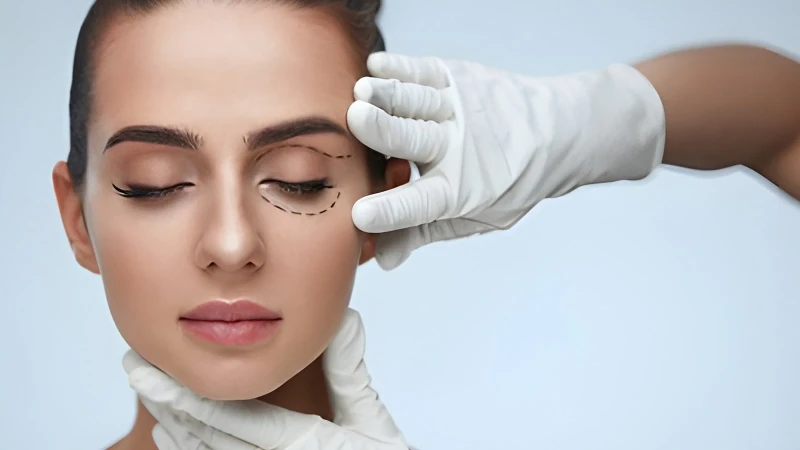
Overview of Ablative Laser Resurfacing
How Do Ablative Lasers Work?
Ablative lasers, such as CO2 and erbium lasers, remove the outermost layers of the skin by vaporizing tissue. This process triggers collagen remodeling and new skin cell growth, leading to significant improvements in skin texture, tone, and elasticity.
Benefits of Ablative Lasers
- Reduces deep wrinkles and fine lines
- Improves acne scars and hyperpigmentation
- Enhances overall skin tone and texture
- Promotes collagen regeneration for long-term improvement
Side Effects
- Temporary redness, swelling, and peeling
- Increased sensitivity to sunlight
- Risk of hyperpigmentation or scarring if not properly managed
Recovery Time
Ablative laser treatments typically require 4 to 6 weeks of recovery. Patients may experience initial redness and flaking, followed by gradual skin rejuvenation. Sun protection and post-treatment care are crucial during this period.
Use Cases
- Severe wrinkles and skin laxity
- Deep acne scars and pigmentation
- Sun-damaged skin requiring intensive resurfacing
Before & After: Ablative Laser Treatment
Patients undergoing ablative laser resurfacing often notice a significant reduction in deep wrinkles, acne scars, and sun damage, with firmer and more youthful-looking skin after full recovery.
Overview of Non-Ablative Laser Resurfacing
How Do Non-Ablative Lasers Work?
Non-ablative lasers, including fractional lasers and intense pulsed light (IPL) devices, deliver energy to the deeper layers of the skin without removing surface tissue. This stimulates collagen production, improving skin elasticity and reducing pigmentation gradually.
Benefits of Non-Ablative Lasers
- Minimal downtime and faster recovery
- Gradual but noticeable skin improvement
- Safe for various skin types
- Reduces fine lines and uneven pigmentation
Effectiveness
Non-ablative lasers provide progressive results, requiring multiple sessions for optimal improvement. While they are less intensive than ablative treatments, they effectively address early signs of aging and mild to moderate skin concerns.
Side Effects
- Mild redness or swelling
- Temporary sensitivity
- Rare risk of pigmentation changes
Recovery Time
Most patients experience only 1 to 2 days of mild redness or sensitivity, making non-ablative lasers a convenient choice for those who cannot afford extended downtime.
Use Cases
- Mild wrinkles and fine lines
- Uneven skin tone and minor sun damage
- General skin rejuvenation
Before & After: Non-Ablative Laser Treatment
While the changes are more subtle compared to ablative lasers, non-ablative treatments provide a smoother complexion, reduced pigmentation, and improved skin texture over time.
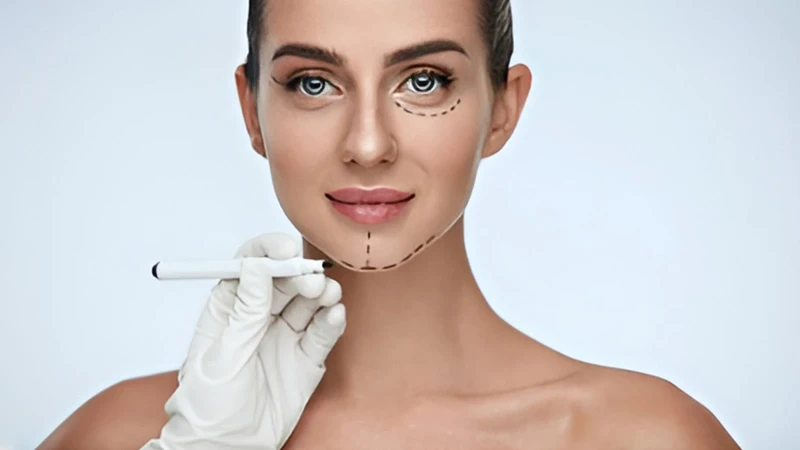
Ablative vs. Non-Ablative Lasers: Which Treatment Is Right for You?
What Does Ablation Do?
Ablation removes layers of damaged skin, making it highly effective for deep resurfacing. It is ideal for those with significant skin concerns but requires careful aftercare.
Should You Choose a Non-Ablative Treatment?
Non-ablative treatments are well-suited for individuals seeking gradual improvements with minimal downtime. They are particularly beneficial for busy professionals and those with mild to moderate skin concerns.
Frequently Asked Questions
1,What Does Ablative Laser Mean?
Ablative lasers physically remove the skin's surface layers, stimulating new cell growth and collagen production for more dramatic results.
2,What Is Fractional CO2 Laser Treatment?
Fractional CO2 lasers use a targeted approach, delivering energy in a grid-like pattern to treat specific areas while leaving surrounding tissue intact. This enhances healing and reduces downtime compared to traditional ablative lasers.
3,Which Treatment Is More Painful: Ablative or Non-Ablative Lasers?
Ablative treatments tend to be more uncomfortable due to the depth of resurfacing, often requiring numbing agents or anesthesia. Non-ablative treatments cause mild discomfort but are generally well tolerated.
4,Does Non-Ablative Laser Treatment Require Downtime?
Non-ablative laser treatments involve minimal downtime, with most patients experiencing slight redness or sensitivity that resolves within 1 to 2 days.


