


As the aesthetic industry continues to shift toward procedures with minimal downtime and broader suitability, fractional radiofrequency (fractional RF or RF microneedling) has become one of the fastest-growing technologies worldwide. Originally introduced as a niche tool for difficult acne scars, it has now expanded into mainstream clinical practice for texture refinement, wrinkle reduction, and overall skin rejuvenation.
What makes fractional RF particularly notable is its positioning as a treatment suitable for all Fitzpatrick skin types, including darker tones that traditionally carry greater risk of post-inflammatory pigmentation when treated with lasers. This reputation has attracted millions of consumers in Asia, the Middle East, the Americas, and Europe. But with increased adoption also come important questions: Is fractional RF truly safe for every skin type? What risks are emerging as usage spreads? And what do clinicians need to know as the technology matures?
Understanding Fractional RF - Why It Works Across a Wide Range of Patients
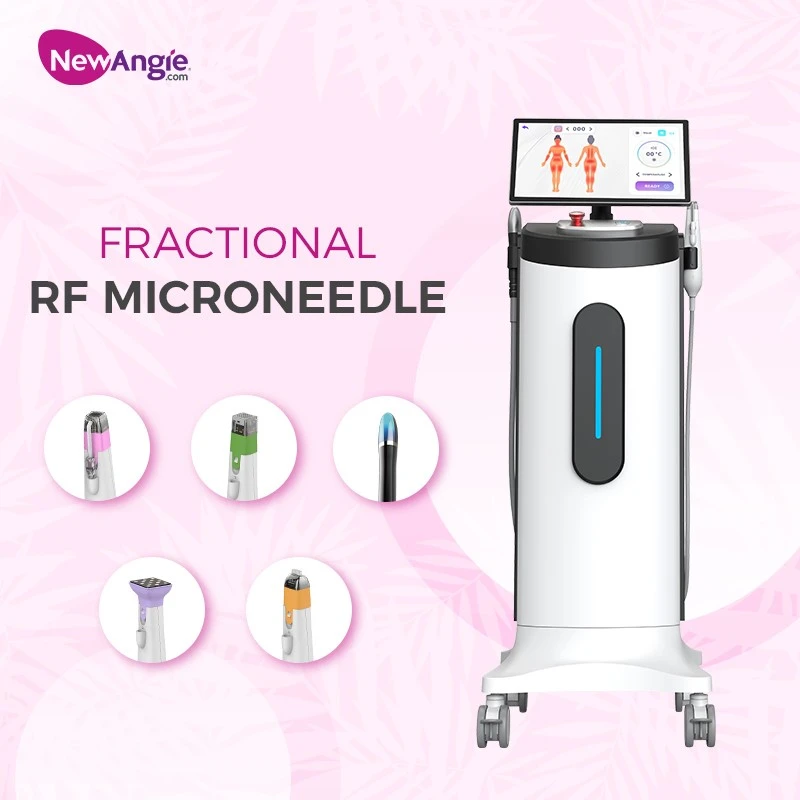
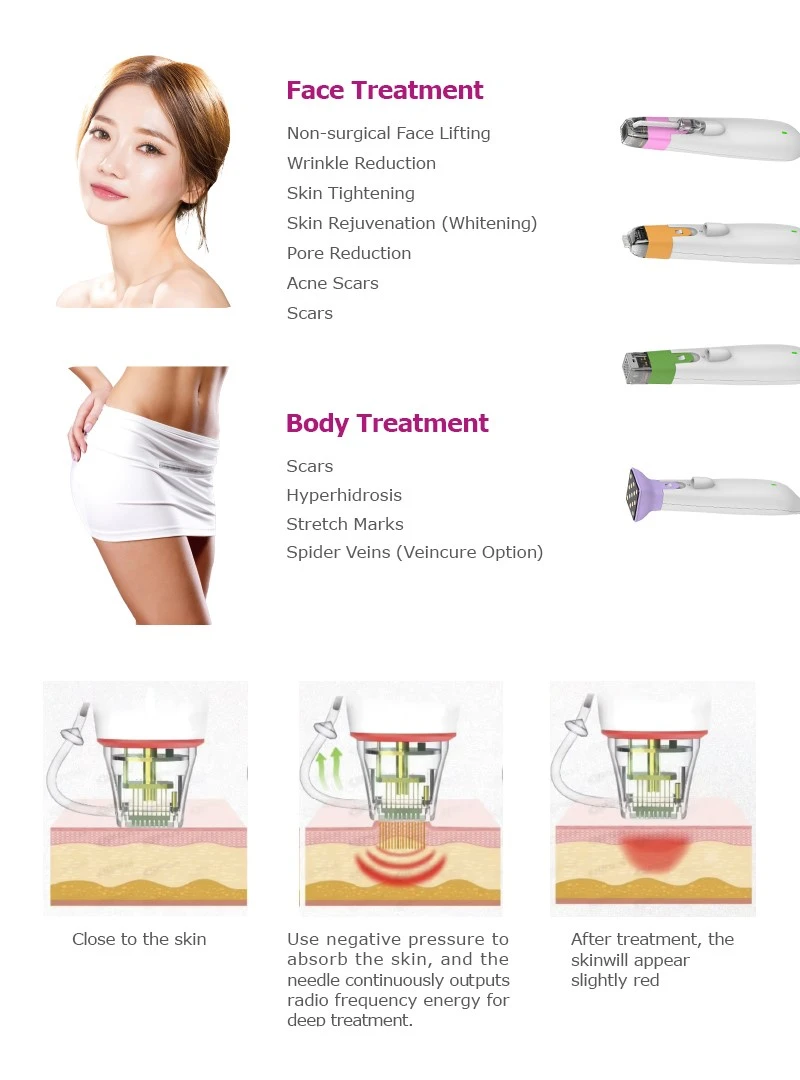
Fractional RF is fundamentally different from laser-based treatments because it uses electrical energy rather than light. The device inserts fine microneedles into the skin and delivers controlled radiofrequency heat to the dermis. This heat stimulates fibroblast activity, leading to new collagen, elastin, and improved tissue structure. Because the energy largely bypasses the epidermis, the outer layer of the skin remains relatively protected, reducing the risk of unwanted pigment changes.
This mechanism is the core reason RF microneedling is widely promoted as safer for darker skin types, whose melanocytes react more strongly to heat and light from laser devices.
Another aspect contributing to its versatility is customization. Clinics can adjust:
Needle depth
Pulse duration
RF energy level
Number of passes
Use of insulated or non-insulated needles
These parameters allow practitioners to tailor treatments for different conditions-from superficial fine lines in fair skin to deep acne scarring in melanin-rich skin.
Efficacy: What Global Clinics Are Reporting in 2025
Fractional RF no longer sits in the experimental category. Hundreds of thousands of sessions are performed annually, and its results have been confirmed across a wide range of indications.
1. Acne Scars
Clinics strongly agree that RF microneedling is one of the most effective non-surgical options for atrophic acne scars. The ability to reach deep dermal layers makes the treatment uniquely positioned to remodel tethered scar tissue.
In 2025, dermatologists report:
Visible softening of rolling and boxcar scars
Gradual improvement over 3–6 months
Higher patient satisfaction compared with traditional microneedling
Many clinicians now choose fractional RF as a first-line solution for moderate scars, especially in regions with many darker-skinned patients.
2. Skin Tightening
Fractional RF promotes collagen realignment and dermal contraction. While not a replacement for surgical lifting, it provides noticeable tightening for:
Mild jowling
Early neck laxity
Under-eye creping
Cheek sagging
Patients often return for maintenance treatments every 6–12 months, forming a stable and recurring revenue stream for clinics.
3. Texture and Pores
One of the strongest advantages of fractional RF is its ability to refine rough texture and reduce enlarged pores without ablating the epidermis. This makes it valuable for individuals who want visible improvement with faster recovery.
Why Safety on Different Skin Types Matters More Than Ever
Historically, many energy-based devices-especially CO₂ and Er:YAG lasers-were considered high risk for individuals with Fitzpatrick IV–VI because of pigment-related complications. This limitation created an accessibility gap in the global aesthetic market.
Fractional RF's rise is partly driven by the promise of safe treatment regardless of skin color. But "safe for all skin types" is not an automatic guarantee. It still depends on:
Operator skill
Device quality
Parameter selection
Patient preparation
Post-care compliance
And although fractional RF is widely considered lower risk for darker skin, clinicians emphasize that it still requires precision to avoid unwanted outcomes.
Current Safety Assessment - What 2025 Data Suggest
1. Fitzpatrick I–III (lighter skin types)
Patients with fair to moderate skin tones show extremely predictable healing patterns:
Temporary redness
Mild swelling
Occasional pinpoint crusting
Pigment-related issues are rare and usually resolve without intervention.
2. Fitzpatrick IV–VI (darker skin types)
Darker skin types generally tolerate fractional RF better than ablative lasers. This is because the RF energy acts deeper in the dermis, bypassing much of the melanin-rich epidermis.
However, specialists warn that certain situations increase risk:
Excessive energy levels
Too many overlapping passes
Shallow needle placement that overheats the upper dermis
Lack of sun avoidance after treatment
When performed correctly, fractional RF remains one of the most reliable energy-based approaches for rejuvenation in darker skin, but results vary based on clinical technique.
3. Emerging Concerns
In 2025, with global treatment numbers increasing, some clinics report small but noteworthy complications:
Unexpected hyperpigmentation
Delayed healing caused by overly aggressive settings
Rare reports of subdermal fat reduction when excessive energy reaches the fat layer
Uneven texture after poorly executed treatments
Most of these events trace back to operator-related issues, leading many experts to push for stricter training guidelines.
Why Device Selection Matters More Than Ever
Although the term "fractional RF" appears simple, devices vary dramatically in:
Engineering
Energy delivery
Safety features
Temperature control
Needle construction
These differences can influence whether a procedure is uneventful or risky.
Insulated vs. Non-Insulated Needles
Insulated needles deliver energy only at the tip, minimizing heat spread toward the epidermis. They are favored for darker skin types and delicate areas.
Non-insulated needles heat the entire needle length, producing stronger collagen remodeling but requiring higher precision from practitioners.
Energy Modulation & Pulse Technology
Modern systems allow micro-pulsing, stacked pulses, or fractional coverage patterns. Devices that adjust output based on tissue resistance generally produce safer and more repeatable results.
Cooling Systems and Epidermal Protection
Some machines integrate cooling mechanisms to stabilize surface temperature. These systems can meaningfully reduce epidermal irritation and the risk of PIH in melanin-rich skin.
2025 Global Regulatory Climate - Why Clinics Should Pay Attention
As fractional RF usage grows, so does regulatory scrutiny. Several regions-including the U.S., Europe, South Korea, and parts of the Middle East-have begun reviewing safety data from clinics and manufacturers.
Regulators emphasize the following points:
1. RF Microneedling Is a Medical Procedure
Many adverse events come from non-medical operators who are not trained to understand thermal injury, anatomy, or wound healing. Authorities stress that RF microneedling requires:
Medical oversight
Professional certification
Device-specific training
2. Informed Consent Must Be Expanded
Patients should be told not only about redness and swelling, but also:
Small risk of PIH
Rare risk of scarring
Rare risk of subcutaneous fat change
Importance of strict sun protection
3. Data Reporting Must Improve
Many mild-to-moderate complications go unreported, making it harder for regulators to assess risks accurately. Agencies are encouraging clinics to submit more consistent data to track long-term patterns.
Expert Recommendations for Treating Different Skin Types
For Fitzpatrick I–III
Moderate energy settings are usually well-tolerated
Multiple passes can be used for more pronounced wrinkles
Post-care focuses mainly on hydration and sunscreen
For Fitzpatrick IV–VI
Clinicians should adopt a "start low, build up" approach:
Begin with conservative energy levels
Use insulated needles when available
Increase depth only as needed
Avoid treating inflamed or sunburned skin
Emphasize strict avoidance of sun exposure after treatment
Consider pre-conditioning the skin with pigment-stabilizing serums
This cautious protocol keeps PIH rates low and ensures the epidermis remains undisturbed.
Best Practices Clinics Should Follow in 2025
1. Perform a Detailed Consultation
Assess:
Skin history
Previous pigmentation issues
Tendency for keloids or hypertrophic scars
Current skincare regimen
Tolerance for downtime
2. Use Standardized Photography
Before-and-after photos help track progress and quickly detect unexpected changes in healing.
3. Customize Every Parameter
Fractional RF is not a "one setting fits all" technology. Skin type, thickness, and treatment goal must guide every adjustment.
4. Strengthen Post-Procedure Care
Top recommendations include:
Broad-spectrum sunscreen
Avoiding heat and intense workouts for 48 hours
Hydrating serums
Anti-inflammatory topicals as needed
5. Build Patient Education Into the Process
Most complications occur when patients do not understand how critical sun protection and recovery routines are. Clear instruction sheets and follow-up calls significantly reduce risk.
Comparing Fractional RF to Laser Treatments in 2025
Fractional RF is not a replacement for lasers; instead, both technologies occupy complementary places in the aesthetic toolbox.
Fractional RF Strengths
Suitable for nearly all skin colors
Less downtime
Effective for deep acne scars
Lower epidermal disruption
Laser Strengths
Stronger resurfacing for severe wrinkles
More dramatic results for photodamage
Useful for pigmentation conditions when used appropriately
Clinics increasingly combine the two in staged treatment plans-for example:
Fractional RF first for dermal remodeling → Gentle laser resurfacing for finishing texture.
This approach balances safety with high-impact outcomes.
Looking Forward - The Future of Fractional RF Safety
As we move toward 2026, the aesthetic community is pushing for:
More standardized protocols
Additional multicenter studies on darker skin types
Enhanced device safety features
AI-driven energy modulation
Better patient education tools
The trend suggests fractional RF will remain one of the most essential tools in cosmetic dermatology, but continuous improvement in training and technology will determine how safely it is adopted globally.
Fractional RF has earned a strong reputation for being effective, versatile, and suitable for diverse skin types, opening doors for individuals who previously had limited cosmetic treatment options. Its ability to remodel the dermis without disrupting the epidermis offers a powerful advantage, especially for darker skin tones.
Yet, the technology's safety ultimately hinges on operator expertise, proper device selection, and thoughtful parameter adjustment. While complications remain relatively rare, they underscore the need for responsible use and continuous education.
In 2025, fractional RF stands as a leading non-surgical solution for texture refinement, acne scarring, and early aging signs-and with appropriate precautions, it can deliver consistent, reliable results across the full spectrum of global skin types.


