


Cellulite affects up to 80–90% of women at some point in their lives, and while it's not harmful, many people seek treatments to reduce its appearance. Two of the most widely used non-invasive technologies are Radiofrequency (RF) and Laser-based treatments. Both claim to smooth, tighten, and improve skin texture, but they work differently-and their effectiveness varies depending on the individual.
1. How RF Treatments Work for Cellulite
Radiofrequency (RF) therapy uses controlled heat energy to penetrate the skin and reach the underlying dermis and subcutaneous fat. This heat:
Stimulates collagen and elastin production, improving skin firmness.
Promotes circulation and lymphatic drainage, helping reduce fluid buildup that can make cellulite more visible.
Gradually shrinks fat cells, leading to smoother contours.
Effectiveness:
Clinical studies show RF can improve cellulite appearance by 20–50% after several sessions.
Results are gradual and typically visible after 4–8 sessions.
Improvements last 6–12 months, depending on lifestyle and maintenance.
Works best for mild to moderate cellulite.
Pros:
Non-invasive, no downtime.
Provides both cellulite reduction and skin tightening.
Safe for all skin tones.
Cons:
Requires multiple sessions.
Results are modest-not as dramatic as invasive methods like subcision or liposuction.
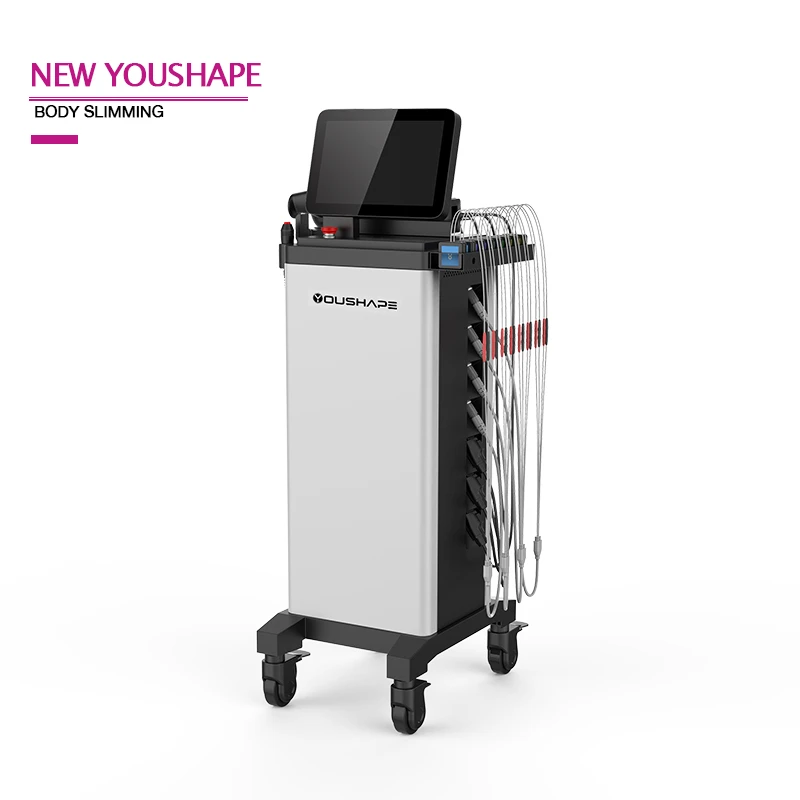
2. How Laser Treatments Work for Cellulite
Laser therapy uses focused light energy to target cellulite in two main ways:
Non-invasive lasers (e.g., 1064 nm Nd:YAG): penetrate skin to heat fat cells and stimulate collagen.
Minimally invasive lasers (e.g., Cellulaze, FDA-cleared): a tiny fiber optic laser is inserted under the skin to cut fibrous septae (the bands that pull skin down, creating dimples).
Effectiveness:
Non-invasive lasers show mild to moderate improvement, similar to RF, but often require more sessions.
Invasive lasers (like Cellulaze) can give longer-lasting results-up to 1–2 years or more-with a single session, but involve downtime and higher costs.
Some studies show better dimple reduction with laser than RF, since lasers can directly target connective tissue bands.
Pros:
Invasive lasers can produce significant, long-lasting results.
Non-invasive lasers are safe and FDA-cleared.
Can improve both cellulite and skin texture.
Cons:
Invasive laser treatments require anesthesia and recovery time.
More expensive than RF.
Non-invasive lasers often produce results similar to RF, so not always worth the extra cost.
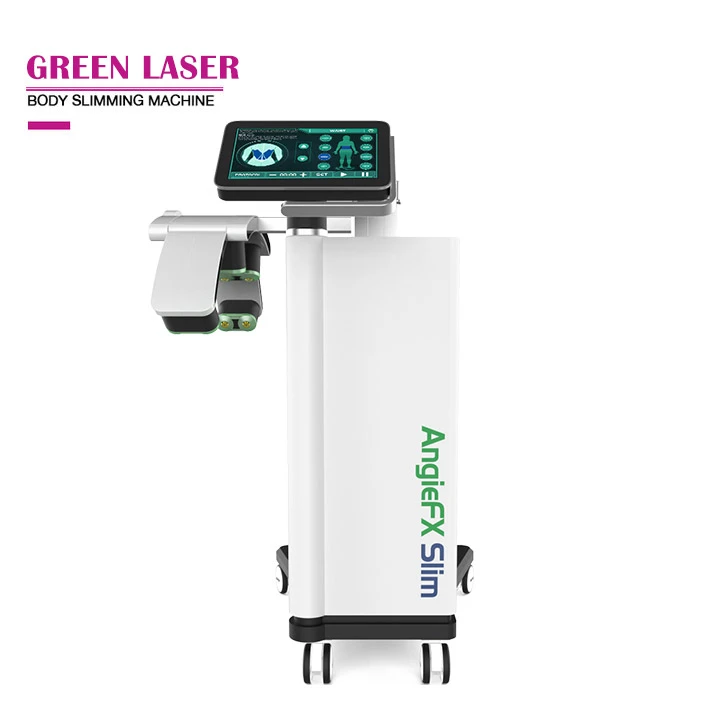
3. Comparing RF vs. Laser for Cellulite
| Factor | RF Treatments | Laser Treatments |
|---|---|---|
| Mechanism | Heats dermis & fat with radio waves | Uses light energy to heat fat/connective tissue |
| Effectiveness | 20–50% improvement with multiple sessions | Mild to moderate improvement (non-invasive); significant improvement with invasive lasers |
| Sessions Needed | 4–8 sessions | 6–10 sessions (non-invasive); 1 session (invasive laser) |
| Longevity | 6–12 months | 6–12 months (non-invasive); up to 2+ years (invasive laser) |
| Downtime | None | None for non-invasive; several days for invasive |
| Cost | Moderate ($150–$500 per session) | Higher ($200–$700 per session non-invasive; $4,000–$7,000 invasive) |
| Skin Tightening | Strong collagen stimulation |
Moderate (non-invasive); stronger with invasive |
4. Expert Insights
RF is generally preferred for patients seeking a safe, gradual, and non-invasive approach that improves both cellulite and skin laxity.
Laser (invasive options like Cellulaze) is better for those willing to undergo a more intensive, one-time procedure for longer-lasting cellulite reduction.
Combination treatments (RF + laser, or RF + acoustic shockwave) often produce the best outcomes.
Dr. Lisa Donofrio, a dermatologist specializing in body contouring, explains:
"RF is excellent for overall skin tightening, which makes cellulite look less noticeable. Lasers can be more aggressive, especially the minimally invasive types, but patients should weigh the cost and downtime against the benefits."
RF treatments are effective, safe, and versatile for improving cellulite, especially when combined with lifestyle changes like exercise and hydration. They are ideal for patients who want non-invasive, gradual improvement with no downtime.
Laser treatments can be more powerful-particularly invasive options-but they come with higher costs and some downtime. Non-invasive lasers often deliver results comparable to RF, so they are not always the first choice unless bundled with other technologies.
👉 In short:
RF = best for ongoing, gradual skin tightening & cellulite smoothing.
Laser = best for patients seeking deeper correction (especially dimples) and longer-lasting results, but at a higher price and commitment level.


