Over the past decade, laser-based aesthetic treatments have gone through several waves of evolution-from traditional nanosecond lasers to fractional systems and advanced hybrid platforms. Yet among all emerging modalities, pico-second laser technology has taken a definitive lead in global adoption. By 2026, more clinics, medical spas, and dermatology centers are transitioning to pico devices as their core solution for pigmentation, skin texture, and tattoo removal.
1. The Demand for High-Performance Pigmentation Solutions
Pigmentation disorders-such as melasma, sunspots, freckles, age spots, PIH, and uneven tone-remain one of the most common aesthetic concerns worldwide. Traditional nanosecond lasers, once the industry standard, often require multiple sessions and cause downtime or risks for darker skin types.
Pico technology disrupts this trend by offering ultra-short pulse durations (picoseconds) that shatter pigmentation into finer particles without excessive heat. As a result:
Pigment breaks down more completely
Heat-related inflammation is significantly reduced
Risks of hyperpigmentation or scarring are minimized
Visible improvements appear faster
These benefits align with modern patient expectations: safer, faster, and more predictable results.
In regions with high Fitzpatrick IV–VI populations, such as Southeast Asia, the Middle East, and Latin America, clinics increasingly prefer pico devices because they offer a wider safety margin and can treat diverse skin types with confidence.
2. The Rising Popularity of Multi-Solution Devices
Clinic owners today are more selective about equipment investments. They prefer devices that can perform multiple high-demand treatments rather than one single application. Pico lasers fit perfectly into this trend.
A single pico device commonly covers:
Tattoo removal
Pigmentation and toning
Acne scar remodeling
Pore refinement
Wrinkle reduction
Skin rejuvenation
Brightening treatment
Dermal collagen activation
This versatility consolidates multiple treatment categories into one platform, allowing clinics to expand services without buying multiple machines.
Compared to older nanosecond lasers, many pico models also offer fractional handpieces that stimulate collagen and improve skin structure, making them competitive even against RF microneedling or fractional CO₂ systems for mild-to-moderate resurfacing.
3. Enhanced Treatment Comfort and Faster Sessions
As competition intensifies among clinics, patient experience has become a critical differentiating factor. Pico technology is favored because it delivers high power in extremely short bursts, allowing energy to focus mechanically rather than thermally.
This results in:
Lower discomfort during treatment
Minimal heat sensation
Faster firing speed
Shorter treatment sessions
Busy metropolitan clinics particularly benefit from shorter treatment times, enabling higher patient turnover without compromising quality.
Furthermore, patients increasingly prefer treatments with minimal pain and no downtime. Pico systems fulfill exactly that need, making them appealing to first-time aesthetic clients.
4. Tattoo Removal Has Reached a New Standard
Tattoo removal remains one of the strongest revenue streams in the aesthetic industry. However, traditional Q-Switch nanosecond lasers struggle with stubborn pigments, multi-colored inks, or deep-layer tattoos.
Pico technology transforms the tattoo removal segment by:
Breaking ink into significantly smaller fragments
Removing previously "resistant" tattoos
Reducing total sessions needed
Offering higher clearance percentage
Treating colored inks more effectively
As a result, clinics are able to produce higher satisfaction rates, which strengthens reputation and leads to word-of-mouth growth. In many markets, customers actively search for clinics that specifically advertise pico tattoo removal, pushing more businesses to invest in pico systems.
5. Younger Consumers Prefer "Quick Fix" Treatments
The beauty market is now significantly influenced by Millennials and Gen Z-groups that expect quick results, clear outcomes, and modern technology. These customers prefer treatments that fit into their lifestyle:
No extended downtime
Immediate improvement
Convenient maintenance programs
Minimal risk of complications
Pico technology aligns seamlessly with these expectations. It offers visible improvements after the first session and fits into the trend of lunchtime beauty treatments.
Because this demographic drives significant online engagement-reviews, social media posts, comparison videos-pico systems often gain viral popularity, amplifying consumer demand.
6. Technology Upgrades From Manufacturers
In recent years, manufacturers have made major advancements that make pico devices more stable and user-friendly. For example:
More durable laser cavities
Air-cooling + water-cooling systems for consistent performance
High-precision spot-size controls
Longer pulse modulation ranges
More intelligent user interfaces
Advanced safety sensors
Fractional lens technology
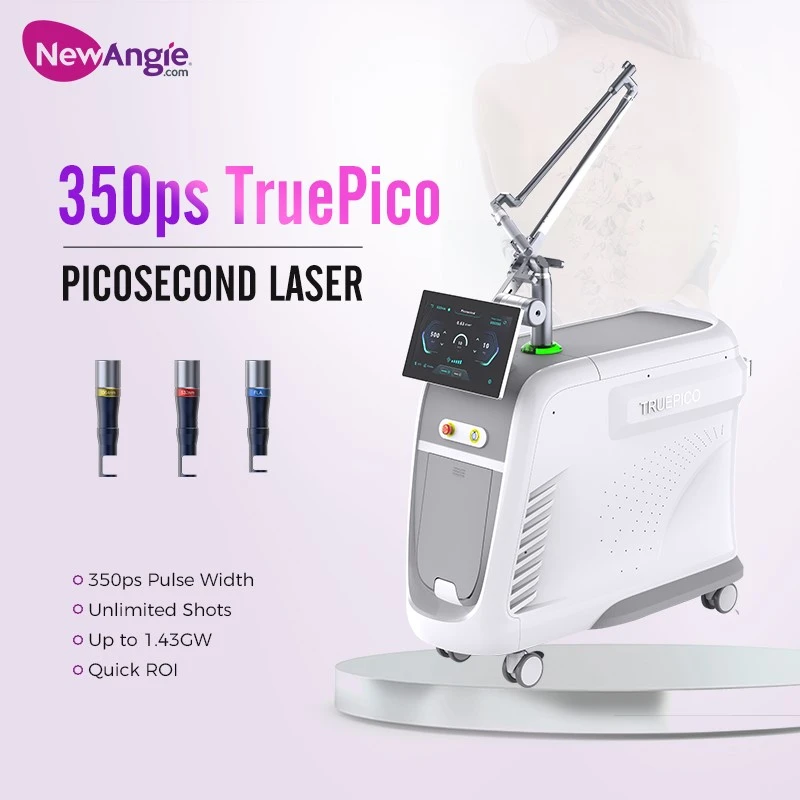
Manufacturers like NewAngie have introduced upgraded pico systems with:
New-generation handpiece designs for better ergonomics
Larger spot sizes for body-area pigmentation
Optimized wavelength combinations (e.g., 532nm + 1064nm + 755nm optional)
Stronger energy output stability
Smaller footprint and reduced maintenance needs
These improvements reduce the operational complexity for therapists and increase treatment precision and consistency-attractive factors for professional users.
7. Better Return on Investment (ROI) for Clinics
Clinic owners evaluating pico systems notice a clear financial advantage. Although the initial cost of pico devices is higher compared to IPL or basic Q-Switch technologies, the ROI is significantly faster, because:
Treatment prices for pico-based services are higher
Demand is increasing year by year
Sessions are short, allowing more bookings per day
Maintenance costs are lower with new-generation systems
Pico devices expand the treatment portfolio immediately
For example, a single treatment such as "Pico Skin Rejuvenation" or "Pico Pigmentation Removal" typically commands premium pricing. With high patient satisfaction, repeat bookings and referrals substantially boost revenue.
In competitive urban markets, offering pico treatments can even be a branding advantage, helping clinics position themselves as technologically advanced.
8. Improved Safety for Darker Skin Types
One major reason for the rise of pico popularity is its ability to safely treat darker skin tones, which were previously high-risk for many lasers. Because pico technology relies more on mechanical photodisruption than on heat:
There is lower risk of burning
PIH is greatly reduced
Melanin absorption is better controlled
Energy reaches the target chromophore with greater precision
In regions such as Southeast Asia and Africa, this safety advantage makes pico technology the top choice for pigmentation and toning treatments.
9. Fractional Pico Mode Expands Clinical Applications
The introduction of fractional pico lenses adds a new dimension to skin rejuvenation. These lenses concentrate energy into LIOBs (Laser-Induced Optical Breakdowns) beneath the epidermis, stimulating collagen without injuring the surface.
This provides:
Smoother skin texture
Reduced acne scars
Finer pores
Minor wrinkle improvement
Brighter complexion
This fractional remodeling effect places pico lasers in direct competition with fractional non-ablative lasers, offering a gentler and more versatile alternative for patients who avoid aggressive resurfacing.
10. Patient Satisfaction Continues to Drive Industry Growth
Ultimately, the performance of pico systems translates into higher satisfaction rates across various treatment categories. Patients consistently report:
Faster improvement
Shorter recovery periods
Natural-looking skin tone
Fewer complications
Better clearance of stubborn pigment
In a digital world where reviews significantly impact clinic reputation, high satisfaction is key to clinic survival. The positive feedback loop surrounding pico treatments creates continuous demand, further motivating clinics to invest in pico systems.
Why Pico Technology Leads in 2026
Pico technology has moved far beyond being a trend. It has become a core treatment platform that addresses some of the most in-demand concerns in the aesthetic marketplace-pigmentation, scars, texture, and tattoo removal. With safer performance, enhanced efficiency, and a broad range of applications, pico systems now stand as a strategic investment for clinics aiming for long-term growth.
As technology continues advancing, pico devices are expected to become increasingly accessible, smarter in design, and even more precise. For clinics planning equipment upgrades in 2026 and beyond, pico technology remains one of the most reliable and profitable choices.