


In recent years, the global aesthetic industry has undergone a noticeable shift. While injectables, energy-based treatments, and skincare trends continue to evolve, laser skin resurfacing has emerged as one of the most in-demand facial rejuvenation procedures worldwide. By 2026, industry analysts anticipate that laser resurfacing will surpass chemical peels, microdermabrasion, and some surgical anti-aging procedures in both popularity and revenue contribution for clinics.
1. Rising Consumer Demand for High-Impact, Non-Surgical Rejuvenation
Aesthetic consumers in 2026 are more informed than any previous generation. They conduct their own research, compare technologies, and seek solutions that deliver visible, long-lasting improvements without the risks and recovery of surgery.
Laser skin resurfacing checks all of these boxes:
Immediate improvement in skin tone and texture
Long-term collagen regeneration
Customizable treatment depth
Suitable for aging, acne scars, pigmentation, and enlarged pores
Non-surgical and minimally invasive options available
As many consumers shift away from over-used injectables, they look for treatments that improve the quality of the skin itself, not just relax muscles or add volume. Laser resurfacing directly targets skin health, making it a natural choice for this next generation of beauty lovers.
According to market behavior, consumers increasingly desire skin longevity treatments-procedures that support the skin's structural integrity for years. Fractional CO2, 1550nm non-ablative fractional lasers, and hybrid resurfacing systems align perfectly with this trend.
2. Major Advancements in Laser Technology from 2023–2026
This surge is not just driven by demand; it is also powered by rapid technological progress. NewAngie and other industry-leading manufacturers have introduced significant improvements that have completely reshaped the treatment experience.
2.1 More Precise Fractional Patterns
Modern devices offer micro-beam accuracy that penetrates the skin more effectively while minimizing thermal damage. This leads to:
Faster healing
Reduced inflammation
More predictable results
Lower risk for post-inflammatory hyperpigmentation
The move from traditional CO2 systems to fractional micro-lens arrays has reinvented the treatment's safety profile.
2.2 Dual-Wavelength and Hybrid Systems
By 2026, dual-wavelength lasers are becoming mainstream. Devices that combine:
Ablative (e.g., 10600nm CO2)
Non-ablative (e.g., 1550nm or 1927nm fiber wavelengths)
offer clinics the ability to customize each session based on skin type and severity of concerns. Hybrid systems allow for simultaneous collagen remodeling while gently resurfacing the upper dermis, producing high-impact results with less downtime.
2.3 Advanced Cooling and Pain-Management Features
New cooling technologies-contact cooling, cryo systems, and smart air-flow devices-have greatly reduced treatment discomfort. This has shifted public perception: laser resurfacing is no longer viewed as a painful, high-downtime procedure reserved for severe aging.
2.4 Faster Operating Speeds
Upgraded scanning patterns, larger spot sizes, and high-energy bursts shorten procedure time to 15–20 minutes, making it easier for clinics to handle higher patient volumes.
These innovations have not only improved patient satisfaction but have also expanded the pool of clients who qualify for the treatment.
3. Aesthetic Clinics Are Prioritizing Equipment That Provides Higher ROI
From a business perspective, laser skin resurfacing machines provide clinics with strong financial advantages. By 2026, many clinics are strategically investing in devices that offer the best long-term revenue value, and resurfacing lasers outperform most other technologies in this category.
Key ROI Advantages:
3.1 High Customer Retention
Skin resurfacing requires multiple sessions and maintenance treatments. A single client often returns for:
Full-face resurfacing
Scar repair
Neck and décolletage rejuvenation
Pigmentation correction
This builds long-term clinic income.
3.2 Premium Treatment Pricing
Laser resurfacing is positioned as a mid-to-high ticket procedure, making it a profitable investment for aesthetic businesses. Compared with IPL or basic RF treatments, it commands a higher price due to its effectiveness and long-term results.
3.3 Suitable for All Major Skin Concerns
Instead of purchasing multiple single-purpose machines, clinics can use one multi-function laser device to treat:
Wrinkles
Acne scars
Stretch marks
Sun damage
Melasma and pigmentation
Skin laxity
This versatility appeals strongly to clinic owners who want to reduce equipment costs.
3.4 Marketing Power
Laser resurfacing produces highly visible before-and-after results, giving clinics strong promotional material for social media and websites. In a market where visual proof drives conversions, this alone increases the treatment's popularity.
4. Changing Skin Priorities in Younger and Older Demographics
Historically, older clients (40+) were the primary market for CO2 skin resurfacing. However, from 2024 onwards, younger consumers-particularly those in their 20s and 30s-began to adopt resurfacing treatments for early prevention.
4.1 Millennials and Gen Z Are Highly Concerned with Texture
Younger generations invest heavily in skin quality. Their key goals include:
Smoother texture
Smaller pores
Glow and brightness
Early prevention of wrinkles
Non-ablative fractional lasers such as 1550nm and 1927nm wavelengths offer preventative solutions with minimal downtime, making them ideal for younger skin.
4.2 Older Consumers Seek Stronger Rejuvenation
Consumers aged 40–60 prefer ablative or hybrid resurfacing because they:
Reduce deep wrinkles
Stimulate substantial collagen remodeling
Improve severe sun damage
Deliver long-lasting structural improvements
This age segmentation widens the market even further.
5. More Education and Transparency in the Aesthetic Industry
The rise of digital platforms such as TikTok, YouTube, and beauty blogs means clients have access to:
Real treatment videos
Honest reviews
Dermatologist explanations
Machine comparisons
Before-and-after galleries
This transparency has helped the public understand the science and safety of laser resurfacing, reducing fear and increasing acceptance.
In addition, major manufacturers-including NewAngie-create professional educational materials that clinics can use to train their staff and educate their clients. As knowledge spreads, consumer confidence grows.
6. NewAngie's Role in the Growth of Laser Resurfacing Demand
As a global B2B supplier of advanced medical aesthetic equipment, NewAngie has contributed to this trend by offering a portfolio of high-performance resurfacing devices engineered for clinic needs.
NewAngie's Strengths in the Resurfacing Market:
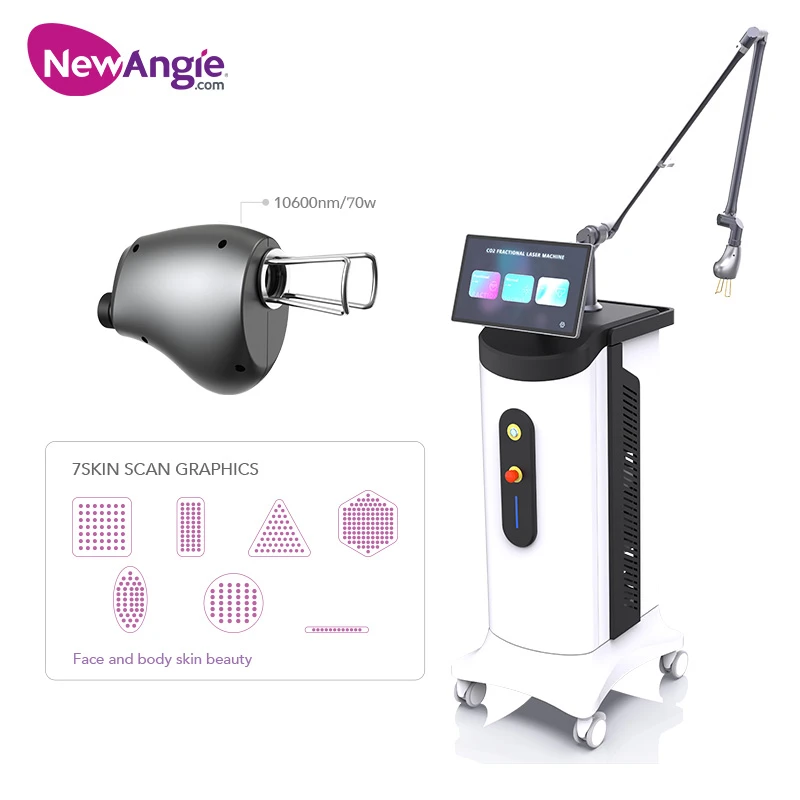
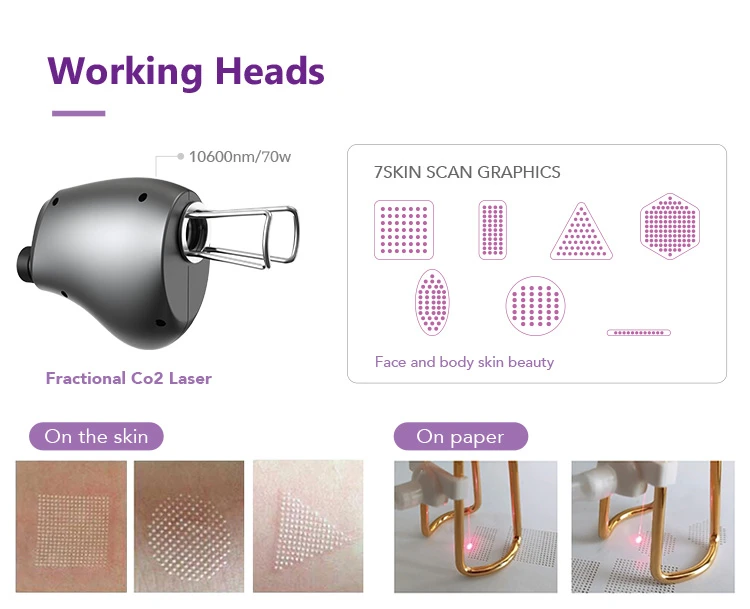
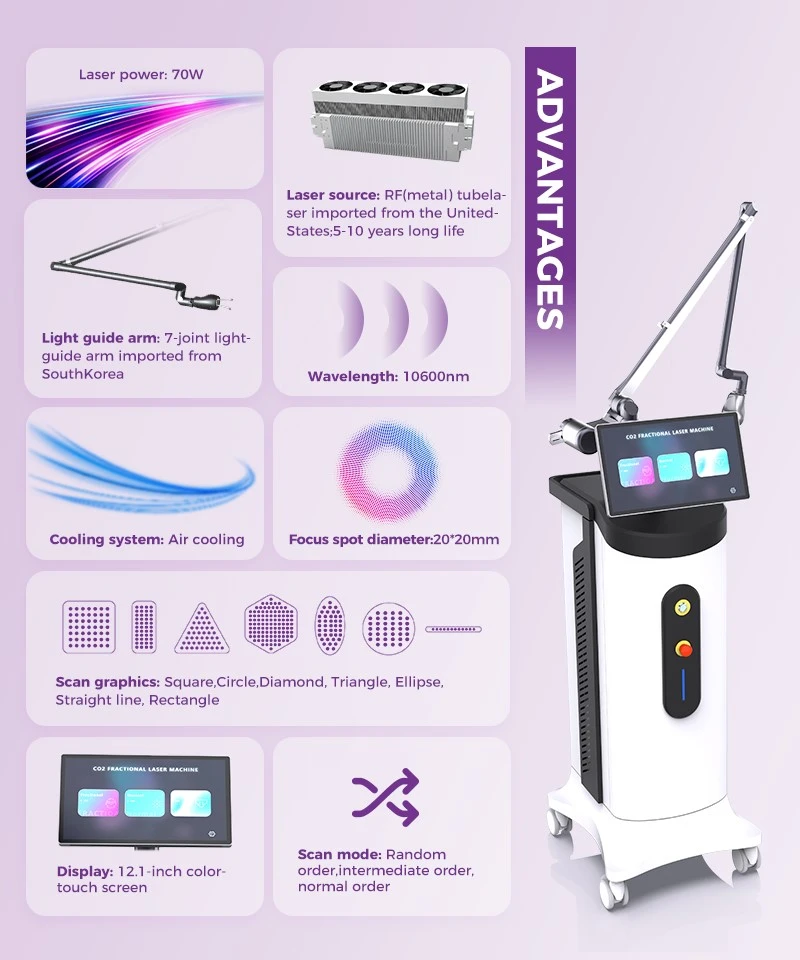
Reliable 10600nm CO2 Fractional Laser Platforms
Ideal for deep rejuvenation, scar removal, and high-impact texture restructuring.
1550nm + 1927nm Dual-Wavelength Fiber Laser Systems
Designed for fast recovery resurfacing and safe treatments on a wider range of skin types.
User-Friendly Interface & Smart Scan Technology
Helps practitioners customize treatments with precision and safety.
Durable, Stable Hardware for Long-Term Clinical Use
Ensuring consistent performance with long operating hours.
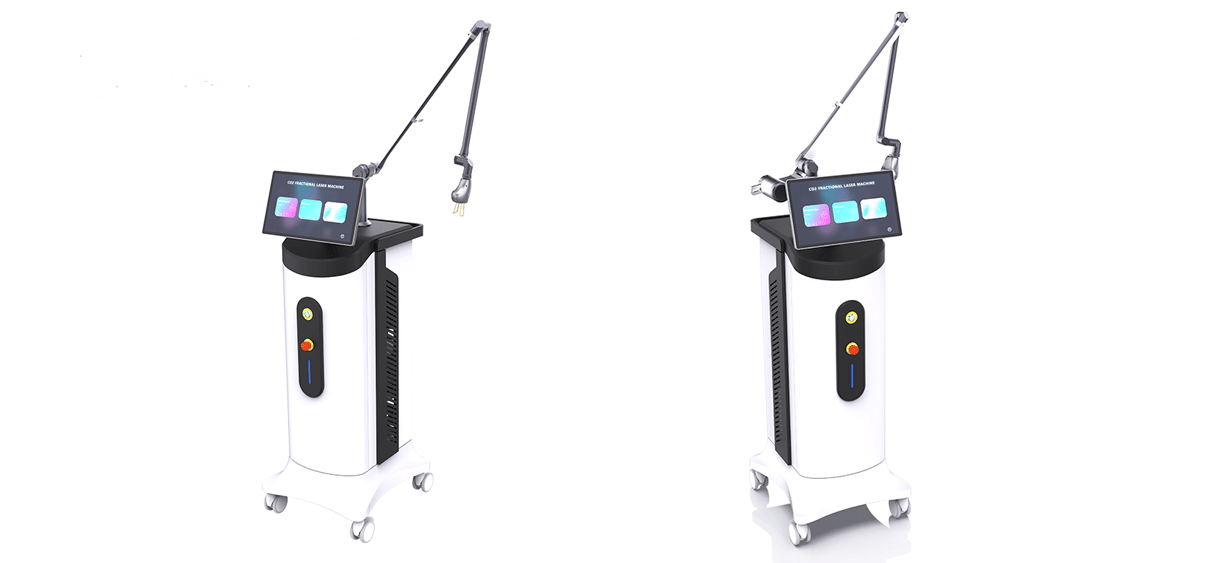
Attractive, new-generation device design
In line with aesthetic clinic standards and international trends.
NewAngie's continuous innovation supports clinics in improving treatment quality while gaining a competitive position in their local markets.
7. Minimal Downtime Options Are Driving Mass Adoption
One of the major reasons resurfacing is becoming the top choice in 2026 is the rise of minimal downtime protocols.
Modern devices allow clinics to perform:
Light resurfacing (1–3 days downtime)
Medium resurfacing (3–5 days downtime)
Deep resurfacing (7–10 days downtime)
This flexibility gives clients the ability to plan treatments around work, events, and holidays.
Non-ablative fractional lasers can even be performed during lunch breaks, making the treatment accessible to busy professionals.
8. Global Market Expansion and Cross-Industry Demand
Laser skin resurfacing is no longer limited to dermatology centers. The treatment has expanded into:
Medical spas
Boutique clinics
Plastic surgery offices
Wellness centers
Luxury hotels with advanced skincare services
The Asian market-especially China, Korea, and Southeast Asia-has seen strong growth due to increasing demand for pore refinement and pigmentation correction. Western markets continue to grow due to the popularity of anti-aging procedures.
As more regions adopt these technologies, suppliers like NewAngie continue to scale their product development and international distribution.
9. Long-Term Results Make It a Cost-Effective Option for Clients
Although laser resurfacing is often priced higher than basic facial treatments, its long-term benefits make it more cost-effective. One session can create improvements that last several years, depending on the laser type and skin condition.
This appeals to clients who want sustainable results without continuous maintenance.
A Perfect Match of Technology, Demand, and Results
Laser skin resurfacing has become the top aesthetic procedure of 2026 because it successfully blends:
High effectiveness
Flexible downtime
Long-term skin improvement
Safety for diverse skin types
Clinically proven technology
High ROI for clinics
Preferences of modern aesthetic consumers
In an era where glowing, smooth, healthy skin is the ultimate beauty standard, laser resurfacing stands out as the ideal solution. With advanced systems, dual-wavelength platforms, and upgraded fractional technologies, companies like NewAngie are driving the next generation of skin rejuvenation.
As demand continues to rise globally, clinics offering high-quality laser resurfacing will secure a strong competitive advantage in 2026 and beyond.


