


What is the most effective tattoo-removal machine? - A 2025 news feature
In 2025 the short answer remains: modern picosecond lasers - particularly multi-wavelength, high-energy picosecond platforms - are the most effective tattoo-removal machines available to clinicians today. Over the last several years picosecond devices have eclipsed the older Q-switched (nanosecond) lasers in real-world efficacy for many tattoo types, and the newest commercial systems combine multiple wavelengths, mixed pulse durations, and higher peak powers to treat a wider range of ink colours, depths and skin tones. Clinical studies, manufacturer data and clinic reports all point to picosecond platforms as the current front-line technology for efficient, safer tattoo clearance.
What "most effective" means (and why it matters)
When clinicians and patients ask which machine is "most effective", they usually mean a few related things: faster visible fading of ink (fewer sessions), ability to clear a wide range of colours (including green/blue/pastels), lower risk of skin injury (hypo/hyperpigmentation, scarring), and applicability across skin phototypes. Effectiveness therefore is not a single number but a balance of speed, breadth (colour coverage), and safety.
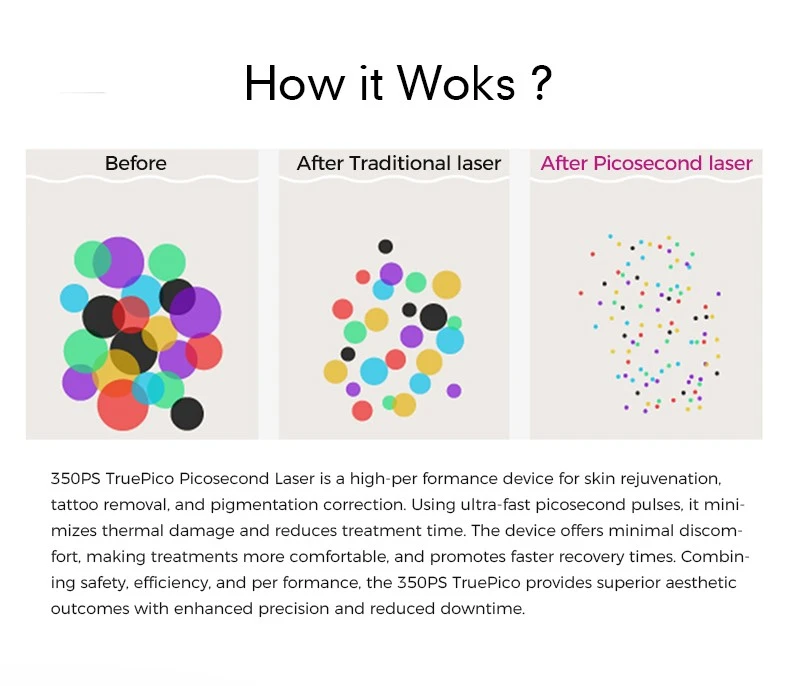
Picosecond lasers deliver ultra-short pulses (measured in picoseconds - trillionths of a second) that create a strong photoacoustic effect: ink particles are shattered mechanically into much smaller fragments rather than primarily heated. Those tiny fragments are then removed by the body's immune/lymphatic system. This mechanism typically results in faster clearance with less collateral thermal damage than nanosecond (Q-switched) devices - which is why picoseconds are widely considered more effective for many tattoos.
The leading machine types in 2025
A number of commercial lasers are widely described as the most effective in current clinical use. They fall into two practical groups:
1. High-energy, multi-wavelength picosecond platforms
Devices that combine very short picosecond pulses with multiple wavelengths (e.g., 1064 nm, 532 nm, 755 nm and sometimes 650/585 nm) are especially powerful because different ink pigments absorb different wavelengths. Multi-wavelength picosecond machines let clinicians tailor energy and wavelength to ink colour and depth in a single platform - reducing the need to refer patients to separate devices. Examples widely used and discussed in 2025 include Lumenis PiQo4, Candela PicoWay, Cynosure PicoSure / PicoSure Pro, Lutronic PicoPlus, and several regional pico systems. Industry and clinical reports position these machines at the top for versatility and speed.
Why the PiQo4 and other multi-wavelength machines get attention: Lumenis's PiQo4, for example, pairs four wavelengths (1064 / 532 / 650 / 585 nm) with both nano- and pico-pulse options and very large spot sizes - a configuration designed to treat many ink colours and large areas relatively quickly. Brochures and clinic case series claim fewer sessions for many tattoos compared with older machines, and marketing/clinical materials emphasise its high energy and mixed pulse strategy for "breaking big particles then finishing with pico."
2. Single-brand picosecond leaders (PicoWay, PicoSure and family)
Some individual models are repeatedly singled out in reviews and clinic literature for their clinical track record. PicoWay® (Candela) and PicoSure® (Cynosure) are perhaps the best-known brand names because they were early commercial successes in picosecond technology and have been widely adopted in clinics. These systems differ in wavelength offerings, pulse durations and accessory handpieces; in practice both are used effectively for many tattoo colours when paired with experienced operators.
What the clinical evidence says
Multiple prospective studies and recent reviews show that picosecond lasers achieve better clearance rates and fewer adverse events for many tattoos than traditional Q-switched nanosecond lasers, especially for difficult colours and in darker skin types. A 2025 MDPI review of picosecond applications concluded that picosecond systems outperform conventional nanosecond lasers in efficacy and safety for pigment and tattoo removal. Smaller prospective trials and clinic series published or indexed in 2024–2025 demonstrate particularly good responses for black, blue and green inks and, in many cases, shorter treatment courses.
That said, real-world outcomes depend heavily on tattoo age, ink composition, tattoo layering, depth, and the operator's parameter selection. Not every tattoo clears completely with any one machine - and some multicolour, amateur, or heavily layered tattoos remain resistant and require more sessions or combined strategies.
Why multi-wavelength + dual-pulse strategies are popular now
Early picosecond devices often had limited wavelength choices. The 2020s saw engineers combine the short pulse benefit with multiple wavelengths and variable pulse modes (both nanoseconds and picoseconds). The rationale is simple: larger, deeper particles may respond better to an initial high-energy nanosecond break followed by picosecond "polishing", while different pigments (reds vs blues vs yellows) are best targeted at specific wavelengths. Clinical practice and manufacturer literature in 2024–2025 increasingly advocate mixing modes and wavelengths during a course of treatment to optimise clearance.
Emerging adjuncts: combining lasers with other methods
Beyond pure laser improvements, recent trials and pilot reports have explored combination therapies to enhance ink clearance:
Fractional ablative or non-ablative lasers + picosecond passes: fractional channels may help lymphatic access and reduce blistering in some protocols. Early controlled studies and reviews discuss fractional + pico protocols for recalcitrant tattoos and for managing scarring.
Acoustic or shockwave adjuncts: preliminary pilot studies in 2024–2025 tested whether acoustic stimulation can accelerate the transport of ink fragments out of dermis after lasing. Results are early and not yet standard practice, but they represent a promising research direction.
These adjuncts are not universally adopted; they require further randomized data and careful operator training before becoming routine.
Safety: what to watch for
No laser is risk-free. Even the best picosecond machines can produce temporary whitening, crusting, blistering, and pigmentary changes. Key safety points in 2025:
Skin phototype matters. Darker skin (Fitzpatrick IV–VI) is more prone to dyspigmentation. Modern picosecond devices often reduce this risk versus older Q-switched lasers, but conservative settings and cautious protocols remain essential.
Operator experience is critical. Many adverse outcomes stem from improper fluence, spot size, or neglected cooling. Choose clinics with experienced, certified operators and documented before/after case logs.
Wavelength matching and patch testing. Because pigments differ, clinics should use the appropriate wavelength and run test spots on an inconspicuous area before full treatment.
Realistic expectations. Some tattoos (especially white ink, very pale pigments, or certain printer/metallic inks) may not fully clear. Multiple sessions spaced appropriately remain standard.
Choosing the Right Partner Matters
As the tattoo removal industry continues to evolve, one thing is clear: picosecond and multi-wavelength laser systems are setting the new benchmark for effectiveness in 2025. They deliver faster clearance, greater pigment versatility, and safer outcomes across different skin types compared with older Q-switched technologies. Clinics looking to stay competitive need to invest not only in high-performance machines but also in a supplier that offers strong training, service, and after-sales support.
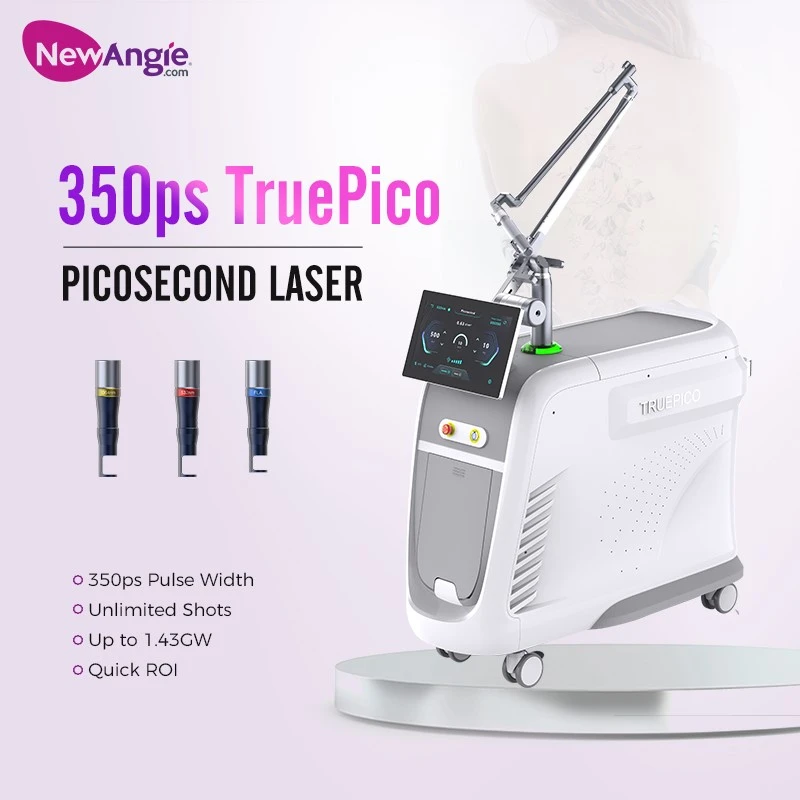
This is where NewAngie comes into the picture. As a professional manufacturer and global supplier of medical-aesthetic devices, NewAngie provides state-of-the-art laser tattoo removal machines designed with precision engineering, stable energy output, and user-friendly interfaces. Their devices support multiple wavelengths to target a broad spectrum of tattoo colors, ensuring effective results for diverse client needs. Beyond the hardware, NewAngie also emphasizes comprehensive training, international certifications, and responsive technical support, making them a trusted partner for clinics that want to expand or upgrade their tattoo removal services.
In today's competitive beauty and aesthetics market, investing in the most effective tattoo removal machine isn't just about the laser itself - it's about choosing a partner who understands your business goals. With NewAngie's proven expertise, clinics gain not only advanced technology but also the confidence of long-term success in meeting patient demand for safe, efficient, and reliable tattoo removal.


