


Tattoos have moved from niche expression to mainstream adornment in many parts of the world. At the same time, changing tastes, career choices, relationship shifts and simple regret have driven increasing numbers of people to seek removal. That demand has spurred rapid improvements in technology and practice. Where removal once meant painful procedures and permanent scarring, modern approaches can deliver dramatic fading with far lower risk, shorter downtime, and far better cosmetic outcomes.
This article looks at the current state of tattoo removal technology, explains which methods perform best in clinical practice today, and highlights the operational and patient-care factors that matter most. The goal is practical: to define what "best" means in real-world terms, and to show how clinics and suppliers shape the patient experience. Along the way, the piece briefly introduces how a global equipment supplier such as NewAngie fits into the landscape - not as a dominating brand name, but as an example of companies that help clinics access advanced tools and training.
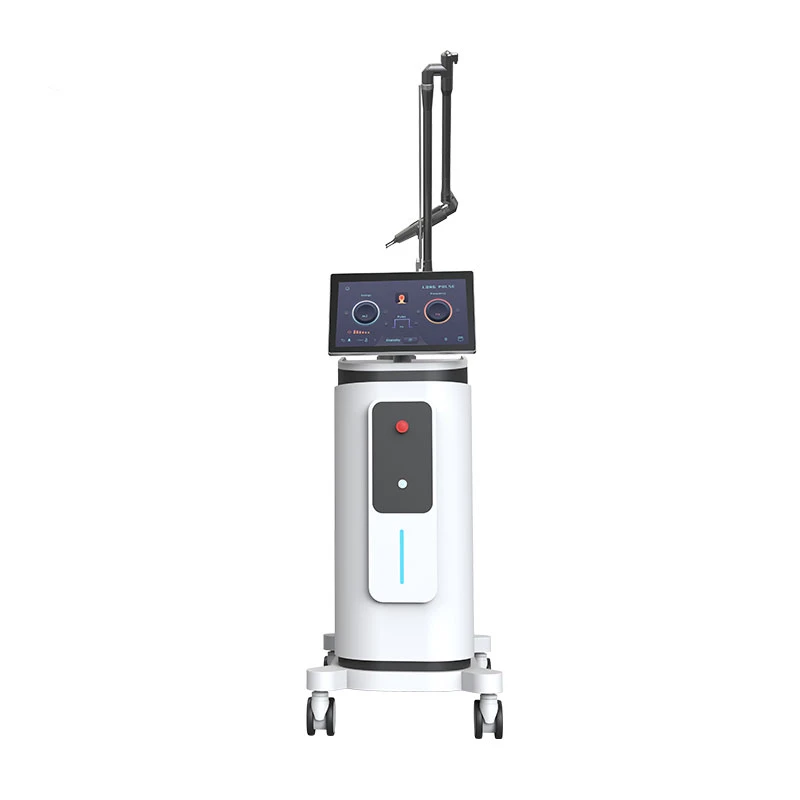
From crude beginnings to calibrated lasers
Before the laser era, removal options included surgical excision (cutting out the tattooed skin), dermabrasion (physically sanding away skin layers), and chemical methods. All of these could work in limited cases, but frequently left visible scars and irregular pigment changes. They were unsatisfactory for cosmetic-minded patients and were rightly replaced by more selective approaches.
Laser technology introduced a step change. Early Q-switched lasers used nanosecond-range pulses to fragment ink particles. They represented a major improvement: instead of scraping or cutting skin away, practitioners could break ink into smaller bits that the body's immune system gradually cleared. Nevertheless, Q-switched systems had limitations. Certain colors resisted treatment, many sessions were needed, and thermal damage occasionally caused pigment changes or scarring - particularly in patients with darker skin tones or delicate skin.
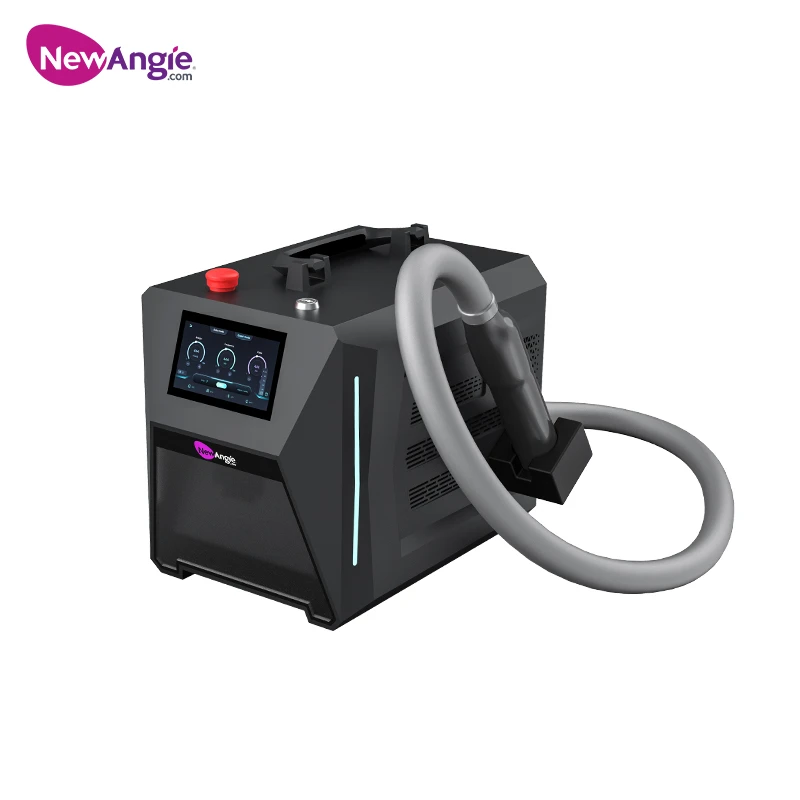
Why ultra-short pulses matter
The most important technical advance of the past decade is the move from nanosecond to picosecond pulse durations. A picosecond is one trillionth of a second - thousands of times shorter than a nanosecond - and that difference matters clinically. Ultra-short pulses deliver energy so quickly that the dominant effect on the ink is mechanical (photoacoustic) rather than thermal. The result is finer fragmentation of pigment particles with less collateral heating of surrounding tissue.
Clinically, this translates to a number of practical advantages: better clearance of difficult colors, fewer treatment sessions in many cases, reduced blistering and post-treatment inflammation, and a lower risk of scarring when appropriately used. Devices that combine multiple wavelengths further broaden the color range that can be treated effectively.
What "best" looks like in practice
Calling any single device or single manufacturer the absolute "best" risks oversimplifying a complex, multifactorial problem. Instead, the world's top tattoo-removal solutions share a cluster of technical and practical features:
Ultra-short pulse duration - to maximize mechanical disruption of ink and minimize thermal spread.
Multiple wavelengths - to target the full spectrum of ink colors (dark pigments absorb longer wavelengths; certain reds, greens and yellows require shorter wavelengths).
Adjustable energy control - fine control over fluence and spot size allows safer treatment across skin types.
Effective cooling and skin-protection systems - to improve patient comfort and reduce adverse effects.
Strong operator interface and training support - well-designed software plus accessible training reduces operator error and improves outcomes.
Reliable aftercare protocols - practical guidance for patients on wound care, sun avoidance and timelines strongly influences final results.
When those elements are present and executed by a properly trained clinician, outcomes are consistently better - fewer sessions, faster healing, and fewer long-term pigment issues.
Limits and variables - why outcomes still vary
Even with the best equipment, tattoo removal outcomes depend on many variables:
Ink composition: Tattoo inks vary widely. Some professional inks are designed for longevity and contain pigments that are harder to break down. Amateur or improvised inks may contain unknown compounds that respond unpredictably.
Color complexity: Black and dark blue are the easiest to treat; green, yellow and certain oranges are more challenging and may need more sessions or specific wavelength strategies.
Depth and density: Heavily saturated, deeply implanted ink resists removal more than shallow, faded tattoos. Reworked or layered tattoos are among the most difficult to clear.
Skin type: Patients with darker skin carry greater risk of hyperpigmentation or hypopigmentation; devices and protocols must be tailored to minimize these risks.
Patient factors and aftercare: Smoking, certain medications, sun exposure and inadequate wound care can slow progress or worsen outcomes. Patient adherence to post-treatment instructions is essential.
Because of this complexity, responsible clinics set realistic expectations and discuss likely timelines and limitations with each patient before treatment begins.
Beyond lasers: surgical and adjunctive options
While lasers dominate modern practice, surgical excision still has a role for very small tattoos when immediate and complete removal is desired and scarring is acceptable. Similarly, in some stubborn cases, combination strategies - for example, laser treatment followed by a minor excision or adjunctive skin resurfacing - may achieve the best aesthetic result. Other historical methods such as chemical creams or superficial abrasion are generally inferior and not recommended as primary options.
The role of suppliers and training
Technology alone does not make a successful program. Device manufacturers and distributors that back hardware with robust training, service, and safety documentation help clinics avoid complications and improve outcomes. Equipment that is easy to calibrate, supported by clear user interfaces, and accompanied by hands-on training raises the standard of care across clinics.
Companies that act as reliable partners - supplying devices, trainer access, and replacement parts - contribute meaningfully to better patient care. They help smaller clinics adopt advanced modalities without sacrificing safety or performance.
NewAngie as an example of support and access
In the global supply chain of aesthetic devices, a number of companies have become respected for delivering machines and ongoing support to clinics of various sizes. NewAngie is one such example. Rather than focusing on a single flagship model or aggressive marketing, NewAngie's approach emphasizes usability, multi-function platforms, and practitioner education. That combination matters: high-quality equipment plus training increases the likelihood that a clinic can safely and effectively translate technology into patient outcomes.
NewAngie's presence in international markets also highlights an important point: improved tattoo removal is not limited to large metropolitan hospitals. When suppliers provide accessible, well-supported devices, more clinics can offer modern, evidence-based services to a wider range of patients.
Patient experience: what to expect
For patients considering removal with modern systems, the practical experience has improved substantially:
Pain and comfort: Most patients describe laser removal as a sharp snapping sensation; topical anesthetics and cooling systems make the procedure tolerable.
Number of sessions: While individual cases vary, many tattoos that once required 12–15 sessions with older methods can now be markedly faded in fewer appointments.
Recovery: Typical short-term effects include redness, slight swelling, and occasional blistering; proper wound care accelerates healing and minimizes pigment risks.
Realistic expectations: Complete invisibility is not guaranteed, particularly for certain colors or poorly applied inks; success is better framed as significant fading and improved appearance.
Research and clinical evidence
Recent clinical studies comparing ultra-short pulse systems to older technologies generally show faster ink clearance, fewer sessions, and a favorable safety profile when treatments are properly conducted. Those findings have contributed to a broad clinical shift toward picosecond-range devices and multi-wavelength platforms. Ongoing research aims to refine treatment parameters, improve color-specific protocols, and integrate imaging tools that help clinicians tailor settings to individual tattoos.
The future: smarter, faster, gentler
Looking ahead, incremental but meaningful innovations are likely to continue. Potential directions include hybrid devices that pair ultra-short pulses with controlled resurfacing, imaging systems that map ink composition and depth to recommend tailored settings, and AI-assisted treatment planning that reduces operator variability. Improvements in post-treatment care - better topical agents, faster healing dressings, and regenerative adjuncts - will also shape outcomes.
If the question is framed as "what is the best tattoo removal technology in the world?" the most defensible answer today is clear in practical terms: multi-wavelength systems that deliver picosecond-range pulses, combined with effective skin protection and skilled clinical operation, represent the current best practice. These systems provide the best balance of efficacy, safety and patient comfort in most clinical scenarios.
But technology is only part of the story. The best outcomes come when high-quality devices are paired with careful patient selection, realistic expectations, meticulous technique, and reliable aftercare. Suppliers and distributors that provide training and ongoing support play a crucial role in raising standards across clinics - and that is why companies that emphasize equipment usability and practitioner education matter in the larger picture.
Brands and suppliers that help extend advanced options to more clinics, while supporting good clinical practice, improve patient access to safer and more effective tattoo removal. In that sense, the "best" technology today is not only the machine that scores highest in lab tests, but also the system that clinics can reliably use to deliver consistent, safe results to real patients.


