


In the modern era of aesthetic medicine, fractional RF microneedling has emerged as one of the most powerful and versatile technologies for skin rejuvenation, tightening, and scar reduction. Combining two advanced modalities-microneedling and radiofrequency (RF) energy-this treatment offers the dual benefits of mechanical stimulation and controlled heat delivery to remodel collagen, improve skin tone, and treat multiple skin concerns simultaneously.
Unlike traditional laser or chemical peel procedures that focus mainly on the skin surface, fractional RF microneedling works deep within the dermis, providing long-lasting structural improvement with minimal downtime. As a result, it has become a top choice for dermatologists, medical spas, and beauty clinics around the world.
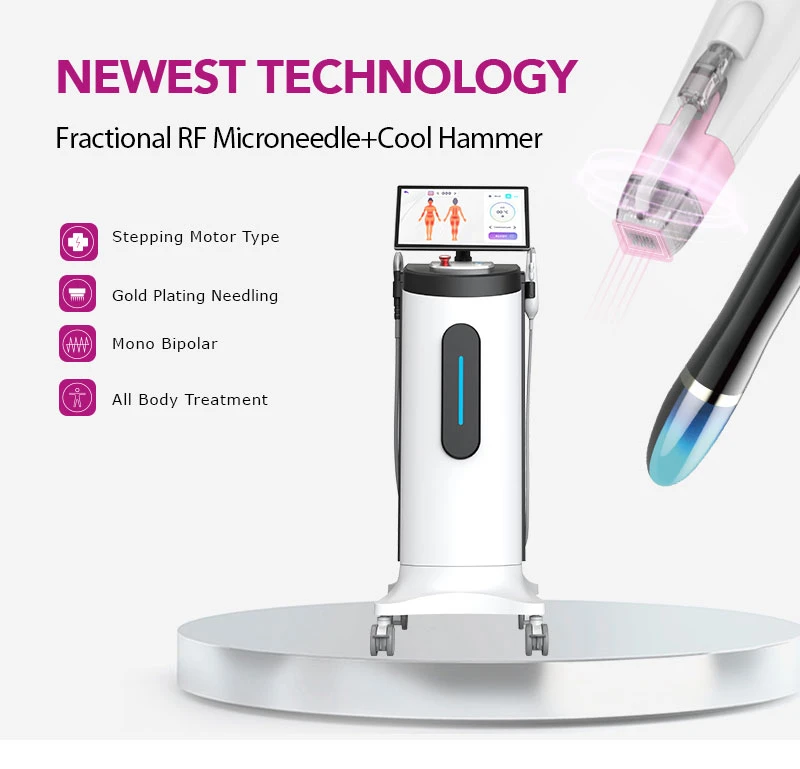
1. Understanding Fractional RF Microneedling
Fractional RF Microneedling is a minimally invasive cosmetic procedure designed to rejuvenate the skin through controlled micro-injuries and thermal stimulation. It involves the use of ultra-fine microneedles that penetrate the skin to a specific depth while simultaneously emitting radiofrequency (RF) energy into the deeper dermal layers.
This dual mechanism triggers the skin's natural healing response-stimulating collagen and elastin production, tightening tissues, and improving overall skin texture.
Unlike traditional microneedling (which relies only on mechanical injury), RF microneedling adds an extra layer of effectiveness by using heat energy to remodel deeper tissues, resulting in more visible and longer-lasting results.
2. How Fractional RF Microneedling Works
The treatment process relies on three main steps:
Microneedle Penetration:
The device uses a sterile cartridge containing multiple fine needles (usually between 25 and 64 pins) that penetrate the skin to a controlled depth (ranging from 0.5mm to 4.0mm).
RF Energy Emission:
Once the needles reach the target depth, they deliver bipolar or monopolar radiofrequency energy into the dermis. The heat stimulates collagen fibers to contract and triggers fibroblast activity, leading to new collagen formation.
Skin Regeneration:
As the microchannels heal, new collagen and elastin are produced, improving skin elasticity, reducing wrinkles, and smoothing scars.
The term "fractional" refers to the pattern of treatment-only small portions of skin are targeted in each pulse, leaving surrounding areas untouched. This promotes faster healing and minimal downtime.
3. Key Benefits of Fractional RF Microneedling
A. Stimulates Collagen and Elastin
RF microneedling effectively activates the skin's natural collagen production mechanism, strengthening the dermal structure and restoring elasticity.
B. Tightens and Lifts the Skin
The heat generated by RF energy causes collagen fibers to contract, resulting in immediate skin tightening and a gradual lifting effect over the following weeks.
C. Reduces Wrinkles and Fine Lines
By promoting cellular renewal and collagen remodeling, the procedure smooths out fine lines and diminishes visible signs of aging.
D. Improves Acne Scars and Textural Irregularities
Fractional RF microneedling breaks down scar tissue and stimulates new collagen growth, reducing the appearance of acne scars, surgical scars, and enlarged pores.
E. Minimizes Pigmentation and Uneven Tone
The micro-injury process encourages skin regeneration, helping to even out discoloration and fade hyperpigmentation.
F. Safe for All Skin Types
Unlike some laser treatments that can cause pigment changes, RF microneedling is safe for all skin tones, including darker complexions.
G. Minimal Downtime
The fractional delivery pattern allows faster recovery-most patients experience only mild redness for 24–48 hours.
H. Long-Lasting Results
The results continue to improve for months as new collagen forms, offering natural and durable skin rejuvenation.
4. Major Treatment Applications
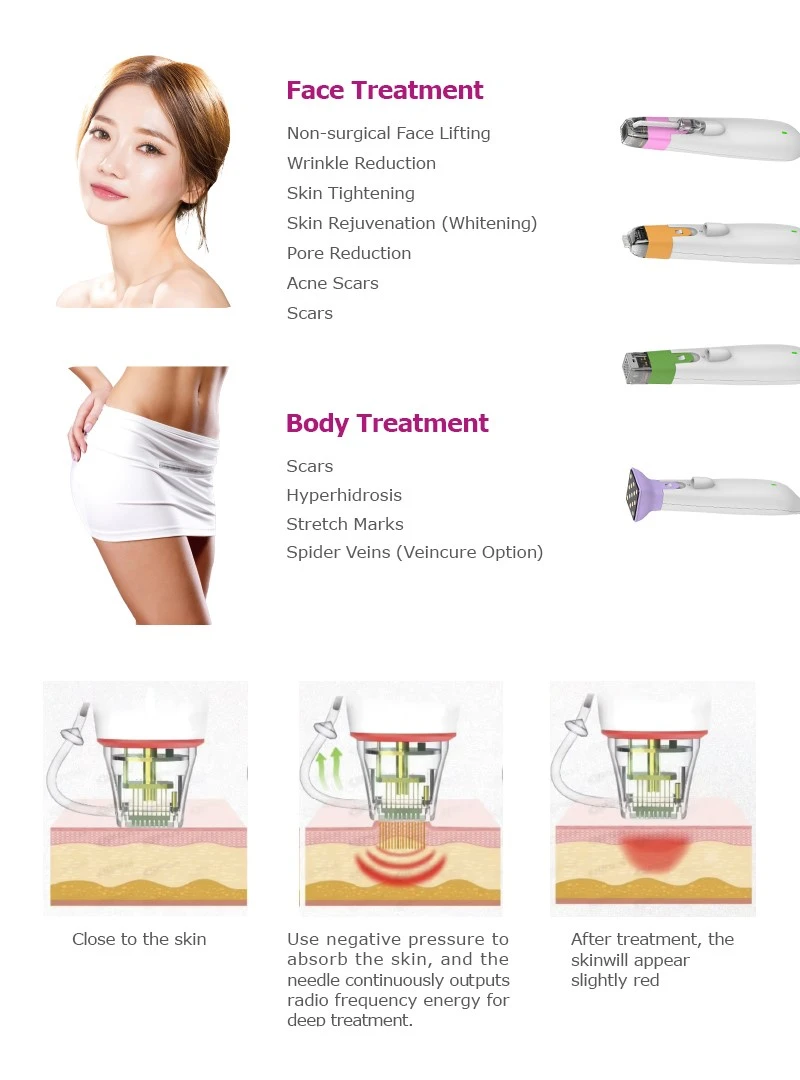
Fractional RF microneedling is highly versatile and can treat a wide range of dermatological and aesthetic conditions:
Facial Rejuvenation – Reduces wrinkles, fine lines, and sagging skin.
Acne Scars – Smooths pitted scars and improves uneven skin texture.
Enlarged Pores – Tightens the skin and reduces pore size.
Stretch Marks – Restores elasticity and fades striae on the abdomen, thighs, or arms.
Neck and Jawline Tightening – Firms loose skin in the lower face and neck area.
Hyperpigmentation – Reduces post-inflammatory pigmentation and melasma.
Body Skin Renewal – Can be used on arms, abdomen, and legs for tightening and rejuvenation.
Because of its safety and efficiency, it's often chosen as an alternative to fractional CO2 laser treatments, especially for patients who prefer less downtime.
5. The Technology Behind Fractional RF Microneedling Devices
Modern RF microneedling systems are equipped with advanced features that ensure precise energy delivery and patient comfort.
A. Adjustable Needle Depth
Allows the practitioner to control penetration depth based on treatment area and skin condition-for example, deeper settings for acne scars and shallower for fine lines.
B. Fractional RF Energy Delivery
Energy is delivered fractionally through insulated or non-insulated needles, ensuring even thermal stimulation without damaging the epidermis.
C. Real-Time Temperature Monitoring
Many devices include sensors that maintain optimal heat levels for consistent results and safety.
D. Ergonomic Handpiece Design
Provides comfort and precision during treatment, enabling controlled pressure and movement.
E. Smart Interface & Preset Modes
Touchscreen interfaces with pre-programmed treatment protocols simplify operation for practitioners and ensure consistent outcomes.
F. Insulated vs Non-Insulated Needles
Insulated needles deliver energy only at the tip-ideal for targeting deeper layers with minimal surface irritation.
Non-insulated needles deliver energy along the entire needle-useful for comprehensive skin tightening.
These innovations make modern fractional RF microneedling systems suitable for professional use in dermatology, cosmetology, and aesthetic clinics.
6. Treatment Procedure: What to Expect
A typical fractional RF microneedling session involves the following steps:
Consultation & Skin Analysis:
The practitioner assesses the patient's skin type, concerns, and treatment goals to customize parameters.
Cleansing & Numbing:
The skin is cleansed, and a topical anesthetic cream is applied for 20–30 minutes to ensure comfort.
Microneedling with RF Energy:
The handpiece is placed on the skin, delivering controlled micro-needling and RF energy pulses across the target area.
Post-Treatment Cooling:
A cooling mask or soothing serum is applied to calm the skin and reduce redness.
Aftercare:
Patients are advised to avoid sun exposure, use gentle skincare products, and apply sunscreen daily.
Each session lasts around 30–60 minutes, and most patients undergo 3–4 sessions spaced 3–4 weeks apart for optimal results.
7. Recovery and Aftercare
The recovery process after fractional RF microneedling is generally mild and short:
Day 1: Mild redness and warmth similar to a light sunburn.
Day 2–3: Slight swelling or dryness; skin begins to heal.
Day 4–5: Minimal flaking or peeling as new skin emerges.
Day 7: Noticeable improvement in smoothness and radiance.
To enhance recovery, patients should:
Avoid makeup for 24 hours.
Use hydrating serums and SPF 50+ sunscreen.
Refrain from exfoliating or scrubbing the treated area for one week.
The skin continues to improve for up to 3 months post-treatment as collagen regeneration progresses.
8. Comparison: RF Microneedling vs Traditional Microneedling vs Laser Resurfacing
| Treatment Type | Mechanism | Downtime | Key Benefits | Suitable For |
|---|---|---|---|---|
| RF Microneedling | Microneedles + RF Heat | 1–2 days | Tightening, scar repair, collagen boost | All skin types |
| Traditional Microneedling | Mechanical injury only | 1 day | Light texture improvement | Mild concerns |
| CO2 Laser Resurfacing | Laser ablation | 7–10 days | Deep resurfacing, wrinkle removal | Light skin tones |
Fractional RF microneedling stands out for combining powerful results with minimal downtime and high safety, especially for patients who may not be suitable candidates for laser treatments.
9. Safety and Side Effects
When performed by a trained professional, fractional RF microneedling is very safe. However, minor and temporary side effects may occur, such as:
Redness or mild swelling (1–2 days)
Slight pinpoint bleeding during the procedure
Temporary dryness or flaking
Mild sensitivity to sunlight
Severe complications like burns or infection are extremely rare when proper protocols are followed.
10. Clinical and Commercial Value
For aesthetic clinics and dermatology centers, adding a fractional RF microneedling machine brings numerous benefits:
High Treatment Demand: Suitable for anti-aging, acne scars, and tightening-three of the most requested aesthetic procedures.
Broad Client Range: Safe for men and women, all ages, and all skin types.
Low Consumable Cost: Only need sterile needle cartridges per treatment.
High ROI: Short session time, minimal downtime, and visible results increase repeat visits and referrals.
11. Expected Results
Patients typically notice:
Tighter, firmer skin within 2–4 weeks
Reduced wrinkles and pore size
Smoother skin texture
Lightened scars and improved overall tone
Long-term collagen remodeling continues up to six months, providing sustained results that can last over a year with proper care.
Fractional RF Microneedling represents a revolutionary advancement in skin rejuvenation technology, offering the benefits of both microneedling and radiofrequency energy in a single treatment. It effectively addresses fine lines, acne scars, enlarged pores, and sagging skin with minimal downtime and maximum safety.
Its versatility, long-lasting results, and compatibility with all skin types make it a top choice among dermatologists and patients worldwide. Whether for anti-aging, scar repair, or general rejuvenation, fractional RF microneedling delivers a powerful combination of science, precision, and visible beauty transformation-solidifying its position as one of the leading technologies in modern aesthetic medicine.


