


Thulium Laser vs. Q-Switched: Which Is Better for Melasma & Sun Spots?
1. Core Technology Difference
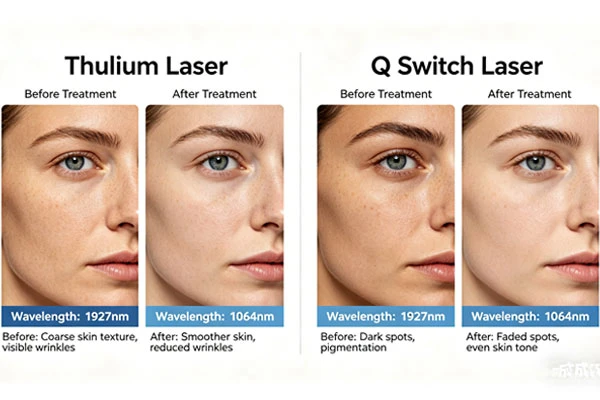
1927nm Thulium Laser (Fractional Non-Ablative)
Targets water in the epidermis
Creates microthermal zones
Promotes skin renewal + pigment dispersion
Works mainly on superficial pigmentation
👉 Best described as a skin resurfacing + pigmentation correction device.
Q-Switched Laser (Usually 1064nm Nd:YAG)
Targets melanin directly
Uses nanosecond pulses to shatter pigment particles
Allows body to naturally remove fragmented pigment
👉 Best described as a pigment destruction laser.
2. Treatment Depth & Target
| Feature | 1927nm Thulium Laser | Q-Switched Laser |
|---|---|---|
| Target Layer | Epidermis (superficial) | Epidermis + Dermis |
| Mechanism | Fractional resurfacing | Photoacoustic pigment breakdown |
| Best Pigment Type | Epidermal pigmentation | Mixed / dermal pigmentation |
✔ Key takeaway:
Thulium = surface-level pigment + skin quality
Q-Switch = deeper pigment removal

3. Effectiveness for Melasma
Q-Switched Laser for Melasma
Widely studied and commonly used
Can significantly reduce pigmentation (MASI score improvement confirmed in studies)
Particularly effective for stubborn or dermal melasma
However:
High recurrence rate
Risk of post-inflammatory hyperpigmentation (PIH), especially in darker skin
Not recommended as a standalone treatment in many guidelines
1927nm Thulium Laser for Melasma
Shows promising results for epidermal melasma
Improves pigmentation + overall skin tone
Works well in combination protocols
Clinical insight:
Studies report visible improvement in pigmentation after multiple sessions
Safer for maintenance and mild-to-moderate cases
Verdict for Melasma
✔ Best for resistant / deeper melasma:
👉 Q-Switched Laser (with caution)
✔ Best for mild / epidermal melasma & maintenance:
👉 1927nm Thulium Laser
✔ Best overall strategy (clinically recommended):
👉 Combination therapy (laser + topical + sun protection)
4. Effectiveness for Sun Spots (Solar Lentigines)
Q-Switched Laser
Strong pigment targeting
Fast clearance of dark spots
Often fewer sessions needed
BUT:
Risk of rebound pigmentation
1927nm Thulium Laser
Gradual improvement
Also improves:
Skin tone
Texture
Fine lines
✔ More suitable for:
Patients wanting overall rejuvenation + pigment removal
Verdict for Sun Spots
✔ Best for quick spot removal:
👉 Q-Switched Laser
✔ Best for full-face rejuvenation + pigmentation:
👉 1927nm Thulium Laser
5. Safety Comparison
| Feature | 1927nm Thulium | Q-Switched |
|---|---|---|
| Downtime | Low (1–3 days) | Minimal |
| PIH Risk | Low–moderate | Moderate–high |
| Skin Type Safety | Safer for darker skin | Needs caution |
| Comfort | Moderate | Mild |
✔ Important insight:
Q-Switched lasers are effective but operator-dependent
Thulium lasers are more controlled and predictable
6. Treatment Experience
Q-Switched Laser
Short sessions (~10–15 min)
Multiple sessions required (6–10)
Minimal downtime
1927nm Thulium Laser
Slightly longer sessions
Fewer sessions (3–5 typical)
Mild redness/peeling
7. Long-Term Results & Recurrence
Melasma is a chronic condition, not a one-time fix.
Both lasers show recurrence over time
Maintenance therapy is essential
Clinical consensus:
Laser treatments work best when combined with:
Hydroquinone or topical agents
Sunscreen
Lifestyle management
8. Which One Should Clinics Choose?
From a business and treatment portfolio perspective:
Choose Q-Switched if you want:
Fast pigment removal
Tattoo removal capability
High patient demand for "laser toning"
Choose 1927nm Thulium if you want:
Skin rejuvenation + pigmentation solution
Lower complication risk
Premium, multi-indication treatments
Best Option (Recommended for Clinics)
👉 Dual-wavelength strategy (1927nm + 1550nm or combined with Q-Switch)
This allows:
Treatment of both superficial + deep pigmentation
Broader patient coverage
Higher ROI
9. Final Conclusion: Which Is Better?
For Melasma:
Q-Switched → better for deeper, resistant cases
1927nm Thulium → better for safer, gradual improvement
For Sun Spots:
Q-Switched → faster results
1927nm Thulium → better overall skin quality
Simple Decision Guide
Want fast pigment removal? → Q-Switch
Want safe skin rejuvenation + tone improvement? → 1927nm
Want best clinical outcomes? → Combine both
Expert Insight for Aesthetic Clinics
Modern aesthetic trends are shifting toward:
Low-risk treatments
Combination therapies
Skin quality improvement (not just pigment removal)
This is why devices like 1927nm Thulium lasers (especially dual-wavelength systems) are becoming increasingly popular in Europe and the US markets.
Call to Action (For Your Brand Integration)
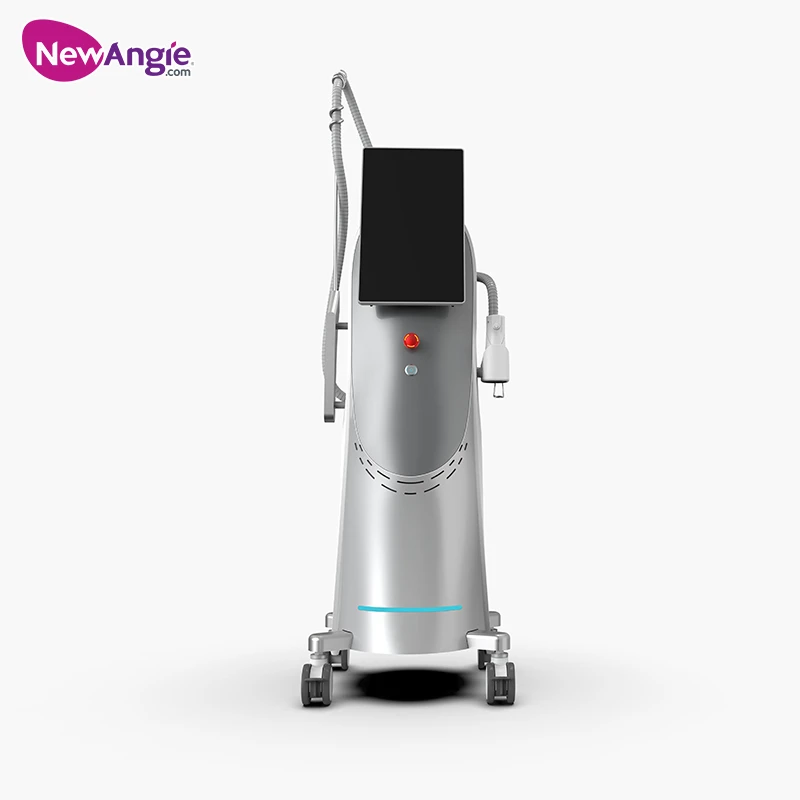
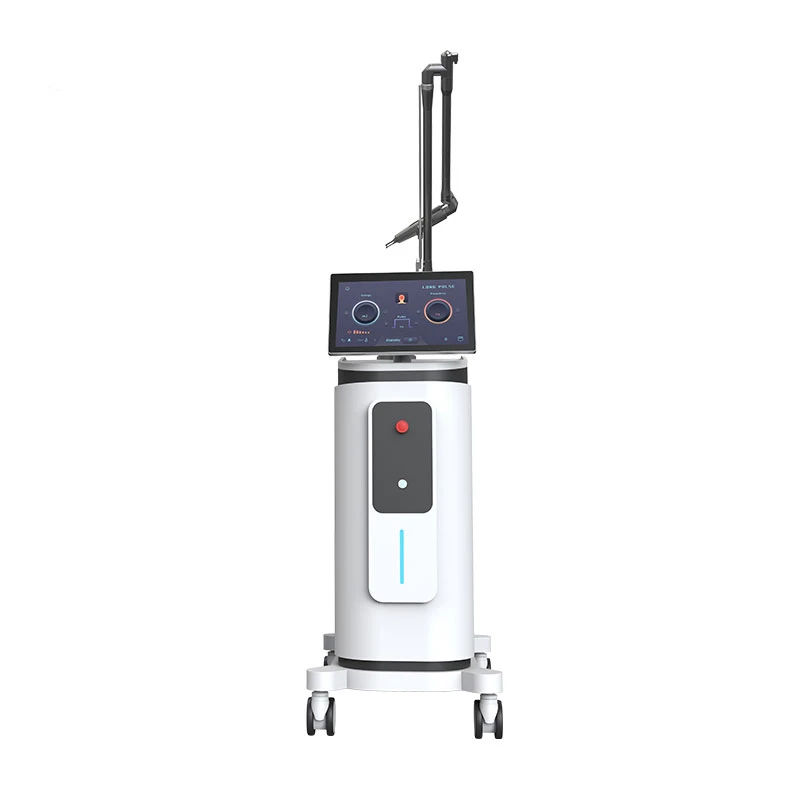
For clinics looking to upgrade their treatment offerings, NewAngie's 1927nm + 1550nm laser system provides a balanced solution:
Safe epidermal pigmentation treatment
Collagen stimulation capability
Multi-indication use (melasma, sun damage, aging)
Strong ROI potential


