


Over the past decade, the global aesthetic industry has undergone a notable transformation. What was once dominated by surgical procedures and limited-access treatments has now shifted toward non-invasive, technology-driven solutions. At the center of this shift is the rapid rise in demand for medical-grade laser devices used in skin rejuvenation, hair removal, pigmentation management, acne scar treatment, body contouring, and tattoo removal. Clinics, beauty centers, and medical spas in regions such as North America, Europe, the Middle East, and Asia-Pacific are increasingly prioritizing the adoption of advanced laser systems to meet the expectations of a growing client base seeking safer, faster, and more reliable results.
This trend is not merely a short-term surge-it reflects a long-term structural change in how aesthetic services are delivered, purchased, and commercialized. As consumers become more informed and clinics become more competitive, the value of owning high-performance laser devices has significantly increased. For manufacturers like NewAngie, this shift presents both a market opportunity and a responsibility to deliver technology that aligns with evolving clinical and commercial needs.
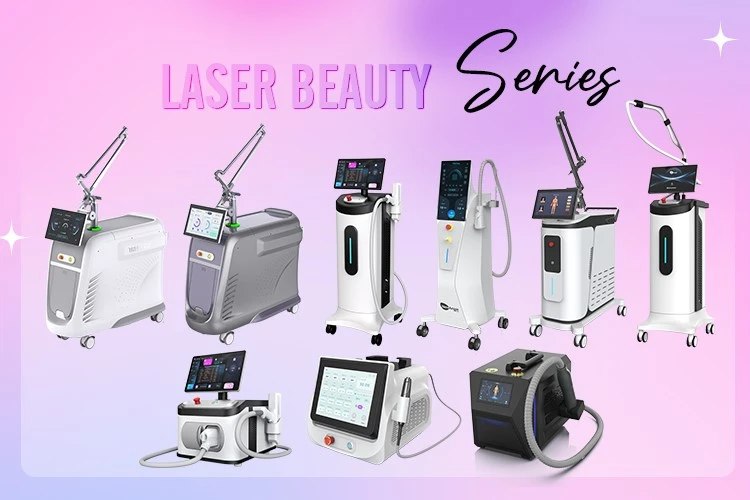
Market Drivers Behind the Growth
1. Rising Consumer Interest in Non-Invasive Treatments
In many countries, consumers prefer treatments with minimal downtime and lower perceived risk. Laser devices-especially diode lasers, fractional CO2 lasers, pico lasers, and Q-switch systems-offer visible results without surgical incisions. This preference has accelerated demand in medical spas, dermatology clinics, and even newly established aesthetic centers aiming to attract first-time customers.
2. Expanding Middle-Class Spending Power
Emerging markets, including Southeast Asia, Latin America, India, and parts of Africa, are experiencing a growing middle-class population with increasing willingness to invest in personal appearance and skin health. As disposable income rises, the demand for professional laser treatments expands, encouraging clinics to upgrade their equipment to medical-grade standards.
3. Shift Toward In-House Treatment Revenue
Many clinics have realized that outsourcing laser procedures or relying on third-party providers limits profitability. Owning their own devices allows them to:
Reduce per-treatment costs
Control scheduling and patient flow
Increase long-term revenue
Offer packaged and membership-based services
This financial advantage is a major factor driving equipment purchasing decisions.
4. Technological Advancements and User-Friendly Interfaces
Modern laser equipment has evolved dramatically. Touchscreen interfaces, preset treatment protocols, real-time monitoring systems, and ergonomic handpieces have made operation simpler and more standardized. Clinics can train staff more efficiently, maintain consistent results, and minimize operational risks.
5. Greater Focus on Skin Health and Preventive Aesthetics
Aesthetic care is no longer only about appearance. Many consumers are increasingly concerned about sun damage, pigmentation, acne scarring, and age-related texture changes. Laser systems offer targeted solutions backed by clinical research, making them a practical choice for individuals seeking skin maintenance rather than dramatic makeovers.
Impact on Clinics and Treatment Models
As competition increases, clinics are using equipment investment as a strategic advantage. Medical-grade laser devices allow them to expand their treatment menus, attract new patient segments, and stay relevant in a rapidly evolving marketplace.
Expansion of Service Offerings
With devices such as diode hair removal systems, fractional CO2 lasers, and pico machines, clinics can diversify services without needing separate specialists or surgical setups. This flexibility improves business resilience and patient loyalty.
Improved Treatment Efficiency
Modern laser technologies work faster and cover larger treatment areas, reducing the number of sessions required. Clinics benefit from:
Higher daily patient capacity
Shorter appointment times
Better staff productivity
Efficiency translates into greater revenue per operating hour, an essential factor for busy centers.
Enhanced Patient Trust and Retention
Consumers often associate advanced equipment with professionalism and safety. Clinics that invest in up-to-date devices tend to build stronger reputations, receive more referrals, and retain clients for repeat treatments.
Global Regional Trends
North America and Europe
These regions remain the largest markets for medical-grade laser devices due to established aesthetic industries and early adoption of new technologies. Many clinics replace or upgrade devices every 3–5 years to stay competitive.
Middle East
The Gulf region, particularly the UAE and Saudi Arabia, is experiencing rapid growth driven by strong interest in skin rejuvenation and hair removal. Clinics in these markets are highly brand-conscious and prefer devices with strong performance data.
Asia-Pacific
This region represents the fastest growth rate. Countries such as China, South Korea, Vietnam, Thailand, and Japan have seen an increase in aesthetic clinics targeting both local residents and medical tourists. The demand for pigmentation and acne treatments is especially strong, leading to rising purchases of pico and fractional laser systems.
Latin America
Brazil, Mexico, and Colombia are investing in non-surgical body shaping and laser slimming technologies. Small and mid-sized clinics are upgrading to more efficient and multifunctional devices.
The Role of Manufacturers in Meeting Market Needs
As demand expands, clinics are more selective about equipment quality, training support, and after-sales service. Manufacturers are expected to provide:
Reliable treatment results backed by data
User-friendly operating systems
Multiple handpieces for diverse applications
Longer lifespan and easier maintenance
Technical training and global service support
This shift places significant importance on R&D, product safety, and compliance with global standards.
How NewAngie Fits Into the Market Landscape
As a professional manufacturer of laser beauty devices, NewAngie is closely aligned with these industry changes. The company focuses on medical-grade systems such as diode laser hair removal machines, fractional CO2 lasers, Q-switch tattoo removal devices, body contouring systems, and multifunctional platforms that integrate laser, RF, and HIFU technologies.
Key Advantages NewAngie Offers Clinics
Factory-direct production, reducing cost barriers for clinics expanding their services.
New product designs tailored to current market demands for efficiency and usability.
Multi-technology options, allowing clinics to purchase flexible systems rather than multiple separate devices.
Global OEM/ODM capability, supporting distributors and private-label brands.
Training and technical support, helping users operate equipment safely and confidently.
By focusing on practicality, durability, and user-oriented engineering, NewAngie supports clinics looking for long-term value rather than short-term trends.
Future Outlook
The demand for medical-grade laser devices is expected to continue rising as:
More consumers seek natural, non-surgical enhancements
Clinics aim to reduce per-treatment costs and boost revenue
Technology becomes more precise and customizable
Emerging markets open new business opportunities
In the next 5–10 years, multifunctional platforms and intelligent laser systems with automated calibration, treatment tracking, and AI-assisted protocols may become standard. Clinics that invest early will likely hold a stronger competitive position.
The global aesthetic market is moving toward technology-driven, non-invasive care, and medical-grade laser devices are at the heart of this movement. Clinics are investing in advanced systems to meet rising patient expectations, improve operational efficiency, and expand service offerings. Manufacturers like NewAngie play a critical role by providing reliable, well-designed equipment that supports clinics in delivering safe and consistent results.
As the industry continues to grow, the partnership between clinics and equipment manufacturers will shape the next chapter of aesthetic innovation-making professional laser treatments more accessible, efficient, and clinically valuable worldwide.


