


Laser tattoo removal has become one of the fastest-growing services in the global aesthetic and dermatology industry. As tattoos gain popularity, so does the demand for safe and effective removal options. For beauty clinics, medical spas, and dermatologists, investing in laser tattoo removal equipment can open a highly profitable business opportunity. However, the question most professionals ask before purchasing is: "How much does laser tattoo removal equipment cost?"
1. Overview of Laser Tattoo Removal Technology
Modern laser tattoo removal devices use high-intensity light pulses to break down ink particles beneath the skin. These fragments are then naturally removed by the body's lymphatic system. Among the different laser systems available, Q-Switch Nd:YAG and Picosecond Lasers are the most popular and clinically proven technologies.
Each machine uses a specific wavelength of light to target different ink colors:
1064 nm: Ideal for dark inks such as black, brown, and blue.
532 nm: Targets red, orange, and yellow pigments.
755 nm (Alexandrite wavelength): Effective for green and turquoise tones.
Understanding these laser types helps buyers evaluate the machine's performance before considering cost.
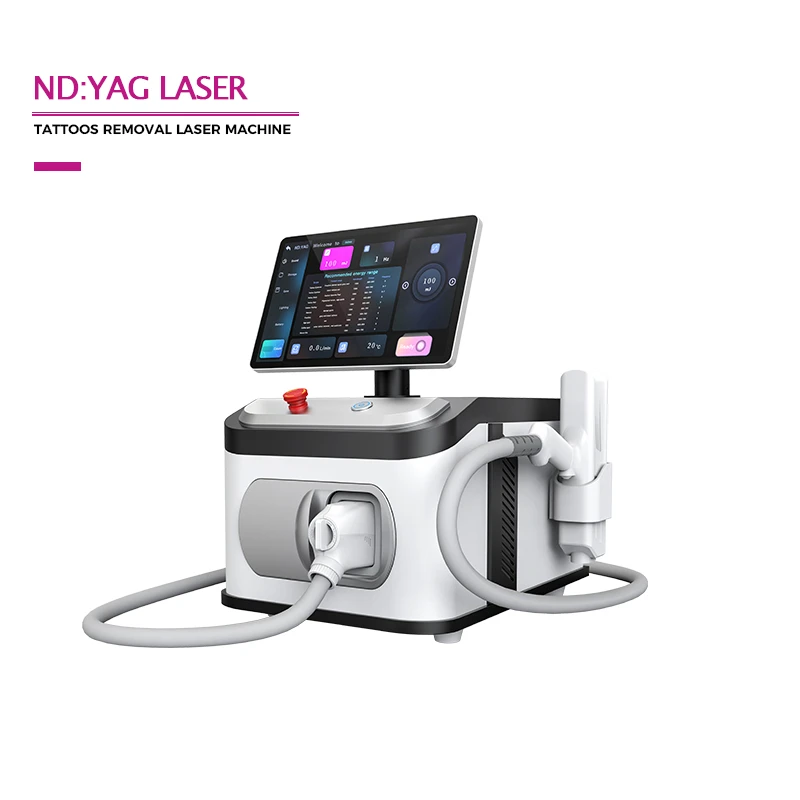
2. Average Cost of Laser Tattoo Removal Equipment
The price of laser tattoo removal machines varies widely based on technology type, power output, brand, and manufacturing origin. Below is a general price range breakdown:
| Type of Laser | Typical Price Range (USD) | Usage Level |
|---|---|---|
| Entry-Level Q-Switch Nd:YAG | $1,500 – $5,000 | Basic clinic or starter spa |
| Professional Q-Switch Nd:YAG | $5,000 – $12,000 | Standard beauty clinic |
| Dual-Wavelength Q-Switch (532/1064 nm) | $8,000 – $15,000 | Multi-color tattoo removal |
| Picosecond Laser | $20,000 – $45,000 | Advanced medical or premium clinic |
| Multi-Function Laser System (Tattoo + Pigmentation + Rejuvenation) | $10,000 – $30,000 | Comprehensive medical spa |
These prices apply to high-quality medical-grade equipment typically used in dermatology clinics, beauty centers, and professional tattoo removal studios.
3. Factors Influencing the Cost
Several factors determine the total investment required for laser tattoo removal equipment:
1. Laser Type and Technology
Q-Switch Nd:YAG Laser:
Uses nanosecond pulses; effective for most tattoos and pigmentation treatments. Affordable and widely used.
Picosecond Laser:
Uses ultrashort picosecond pulses for faster pigment shattering and fewer sessions. More expensive due to advanced technology.
2. Wavelength Options
Machines offering dual or triple wavelengths can treat multi-colored tattoos more effectively. However, they come with a higher price tag.
3. Power and Energy Output
High-energy lasers (e.g., 1000–2000 mJ) deliver better performance and faster treatment but cost more due to stronger components.
4. Brand and Manufacturing Country
Korean and Chinese brands: Offer cost-effective, reliable devices with strong after-sales support.
European and American brands: Known for long-lasting performance and premium certification but come at a higher price.
5. Machine Design (Portable vs. Stationary)
Portable models are lightweight and affordable (around $3,000–$7,000), while vertical or full-system models range from $10,000 to $25,000 due to added features and durability.
6. Additional Functions
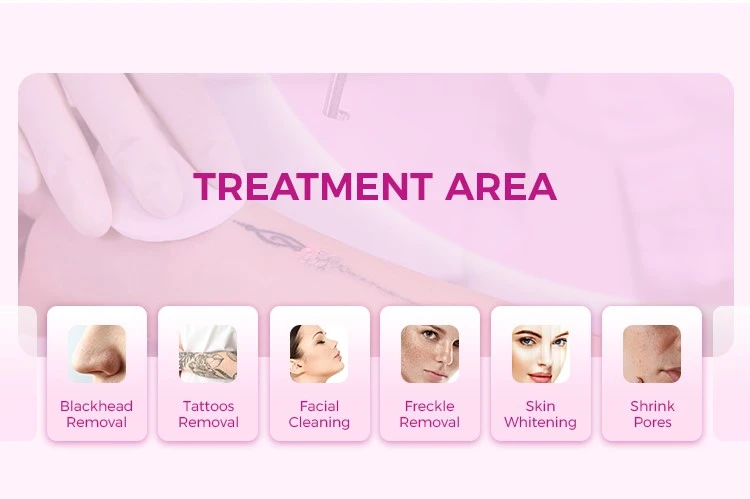
Some machines integrate skin rejuvenation, pigmentation removal, or carbon laser peel options, increasing both value and cost.
4. Cost Comparison: Q-Switch vs. Picosecond Laser
| Feature | Q-Switch Nd:YAG | Picosecond Laser |
|---|---|---|
| Pulse Duration | Nanoseconds | Picoseconds |
| Effectiveness | High for most tattoos | Excellent for all ink colors |
| Sessions Needed | 5–10 | 3–6 |
| Skin Damage Risk | Low | Very Low |
| Average Cost | $3,000 – $12,000 | $20,000 – $45,000 |
| Suitable For | Clinics & beauty salons | Medical spas & hospitals |
For clinics starting in tattoo removal services, the Q-Switch Nd:YAG laser is the most cost-effective choice. For those seeking faster results and premium service, the Picosecond laser offers advanced capabilities despite its higher cost.
5. Maintenance and Operational Costs
Owning laser tattoo removal equipment also involves maintenance and operation expenses, which should be factored into the total investment.
Consumables: Handpieces, laser rods, and filters may need periodic replacement.
Cooling System Maintenance: Ensures stable performance and prevents overheating.
Training & Certification: Professional training may add $300–$1,000 depending on location.
Electricity Use: Efficient machines use minimal power but should still be considered in monthly costs.
Typically, operational costs remain low compared to revenue potential, as each tattoo removal session can charge $50–$300 depending on the size and complexity.
6. Return on Investment (ROI)
Tattoo removal is a profitable service with a rapid return on investment. A clinic performing just 10 sessions per week at $100 each can earn approximately $4,000 per month, quickly recovering the equipment cost within 3–6 months.
By expanding services (like pigmentation removal or carbon peeling), the same equipment can generate even more income, increasing profitability.
7. Choosing the Right Supplier
When investing in laser tattoo removal equipment, selecting a trusted manufacturer or supplier is essential. Look for these key qualities:
Certifications: CE, ISO, or FDA certification ensures safety and compliance with medical standards.
Training and Support: Professional guidance helps achieve the best treatment results.
Warranty and After-Sales Service: At least a 1–2-year warranty and technical support availability.
Machine Testing and Demonstration: Request a demo or test video to check real energy output.
Spare Parts Supply: Ensure easy access to replacement components and consumables.
Manufacturers like NewAngie provide factory-direct pricing, customized branding, and global technical support, making it easier for new or established clinics to enter the market confidently.
8. Tips for Buying Laser Tattoo Removal Equipment
Define Your Business Goals: Decide whether the machine will be used only for tattoo removal or multi-function skin treatments.
Set a Realistic Budget: Balance between quality and affordability; avoid low-cost, uncertified models.
Compare Specifications: Evaluate power, wavelengths, and pulse duration before purchase.
Check Client Reviews: Learn from other clinics' experiences to choose reliable suppliers.
Plan for Growth: Choose a system that can evolve with your clinic's expanding services.
9. Example Investment Scenario
Let's assume a mid-size beauty clinic in Asia purchases a dual-wavelength Q-Switch Nd:YAG laser for $8,000.
Average session price: $100
Sessions per week: 15
Monthly income: $6,000
Monthly maintenance: ~$200
ROI period: Within 2 months
This example shows how quickly clinics can recover their investment, especially with steady client demand for tattoo and pigmentation removal.
10. The Future of Laser Tattoo Removal Market
The global tattoo removal market is expected to reach over $6 billion by 2032, driven by evolving beauty trends, employment considerations, and advanced laser technologies. As tattoos become more common, so does the demand for safe removal solutions - ensuring that laser tattoo removal remains a profitable and sustainable business sector.
The cost of laser tattoo removal equipment depends on technology type, brand, and functionality - ranging from $1,500 for entry-level systems to $45,000 for high-end picosecond lasers. While the initial investment may seem significant, the long-term profits and client satisfaction make it worthwhile for any aesthetic clinic.
When selecting a laser system, prioritize safety, performance, and after-sales support over price alone. A high-quality machine will deliver better results, protect client skin health, and ensure your business achieves consistent success.
Whether you are opening a new aesthetic clinic or upgrading your equipment, investing in professional laser tattoo removal equipment is a powerful step toward expanding your beauty services, building client trust, and securing long-term profitability.


