


When choosing to remove tattoos or treat pigmentation problems (such as freckles, melasma, sun spots, etc.), Picosecond laser and Q-Switched laser are undoubtedly the two most frequently mentioned laser technologies on the market. Although they can both effectively break up pigment particles in the skin, there are significant differences in treatment principles, effects, recovery periods, and scope of application. Understanding the difference between the two will help you make a more informed decision.
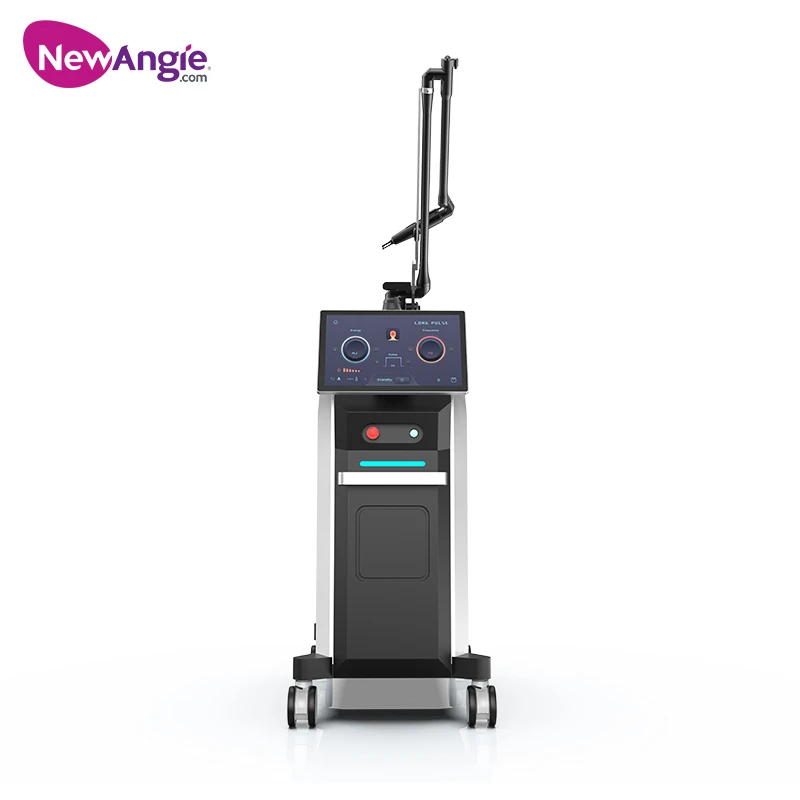
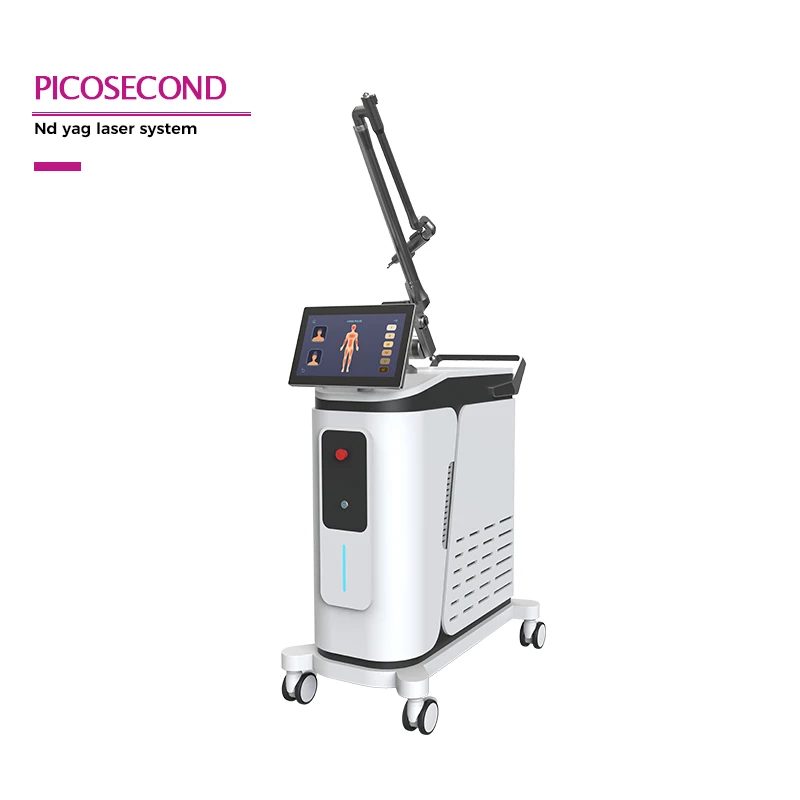
1. Laser pulse width comparison: Which is faster?
The pulse width of the Picosecond (picosecond) laser is one trillionth of a second (10⁻¹² seconds), which is nearly 1,000 times faster than the Q-Switched laser (nanosecond, 10⁻⁹ seconds). Shorter pulse width means a stronger "photoacoustic effect" rather than a thermal effect, which can break up pigments into finer particles, making it easier for the body to metabolize and absorb, thereby reducing damage to surrounding tissues.
2. Treatment effect comparison: Which is more thorough?
Picosecond laser, with its stronger penetration and faster energy release rate, can more effectively remove stubborn pigments, such as colored tattoos, deep spots, and even light-colored pigments that are difficult for Q-Switched to handle. Therefore, the treatment cycle is shorter and the effect is more visible faster.
Q-Switched laser still performs well in removing black and blue tattoos, and its price is relatively low, which is suitable for users with limited budgets but clear needs.
3. Recovery period and comfort: Which is gentler?
Since Picosecond laser hardly relies on thermal energy, the thermal damage to the skin during treatment is minimal, which greatly reduces the incidence of side effects such as redness, swelling, and scabs. The recovery period is shorter, which is suitable for people who have high requirements for beauty and recovery period. In contrast, Q-Switched laser may be accompanied by mild redness and pigmentation, and the recovery time is slightly longer.
4. Applicable people and application scenarios:
Picosecond is suitable for: people who pursue high efficiency and fast recovery; remove complex color tattoos or stubborn spots; patients with sensitive skin; those who want to improve the overall uniformity of skin color.
Q-Switched is suitable for: those with limited budgets; those who mainly remove black or blue monochrome tattoos; those who have no special requirements for the recovery period.
If you are looking for an advanced, safe, and effective pigment treatment solution, Picosecond laser is undoubtedly the current high-end choice; while Q-Switched laser is still the entry-level choice for many people due to its mature technology and cost-effectiveness. Different devices, different effects, the key lies in your specific needs, budget and treatment goals.


