


Laser CO₂ skin resurfacing remains one of the most established and clinically proven procedures in aesthetic dermatology. Over the past two decades, advances in fractional CO₂ laser technology have significantly improved safety, precision, and patient comfort, making the treatment more accessible to a broader range of skin types and indications. As interest continues to grow, many patients and clinic operators search for reliable information about before and after results, recovery timelines, and realistic expectations.
Understanding CO₂ Laser Skin Resurfacing
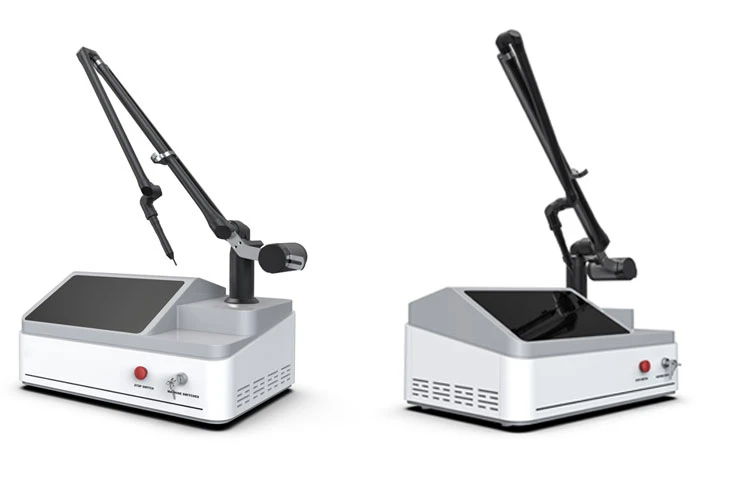
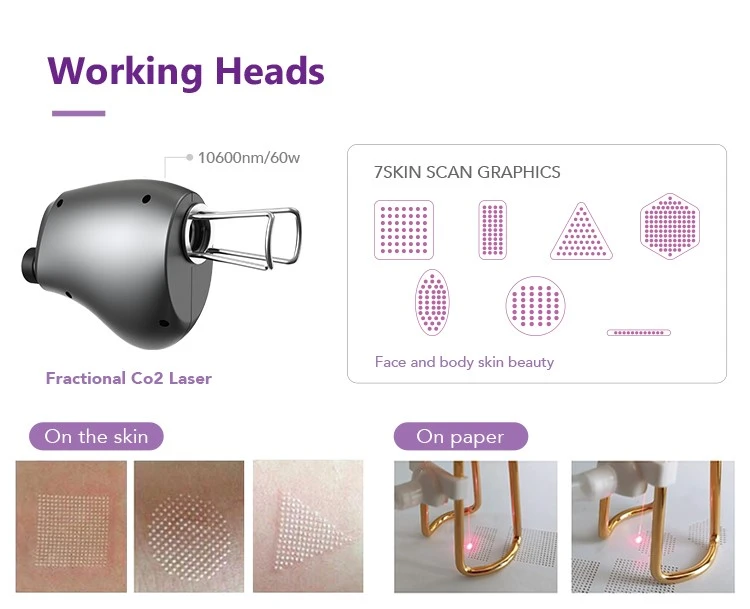
CO₂ (carbon dioxide) lasers operate at a wavelength of 10,600 nm, which is highly absorbed by water in the skin. Because human skin contains a high percentage of water, this wavelength allows for precise ablation of damaged tissue while simultaneously stimulating collagen remodeling in deeper layers.
Traditional CO₂ lasers removed the entire surface of treated skin, resulting in dramatic results but prolonged downtime. Modern fractional CO₂ laser resurfacing divides the laser beam into thousands of microscopic columns, treating only a fraction of the skin at a time. This approach preserves surrounding tissue, accelerates healing, and reduces complication risks.
Who Is a Candidate for CO₂ Laser Resurfacing?
Before evaluating before-and-after outcomes, it is essential to understand who benefits most from this treatment.
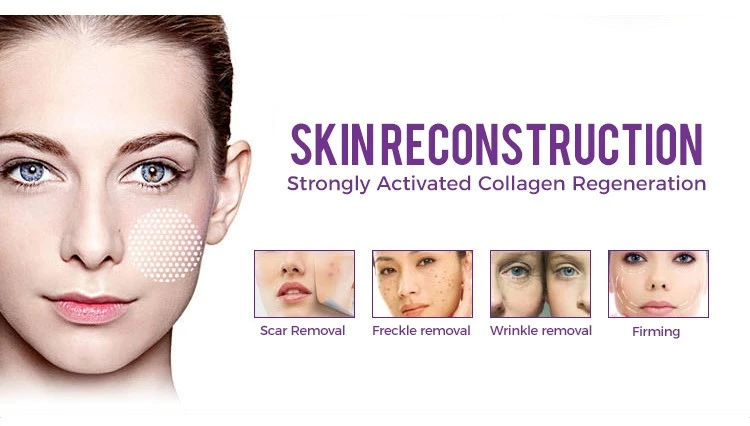
CO₂ laser resurfacing is commonly used to address:
Deep wrinkles and fine lines
Acne scars and surgical scars
Sun-damaged skin
Uneven skin texture and enlarged pores
Pigmentation irregularities
Loss of skin firmness
Ideal candidates typically have light to medium skin tones, good overall health, and realistic expectations. Darker skin types may still be treated, but settings must be carefully adjusted to reduce the risk of post-inflammatory hyperpigmentation.
Before Treatment: Skin Condition and Preparation
Typical "Before" Skin Concerns
Patients considering CO₂ laser resurfacing often present with:
Visible wrinkle depth around the eyes and mouth
Acne scars with uneven skin texture
Dull or rough skin surface
Uneven pigmentation caused by sun exposure
Loss of elasticity
These conditions are often resistant to topical skincare or non-ablative treatments, making CO₂ laser resurfacing a suitable option.
Pre-Treatment Preparation
Proper preparation directly impacts before-and-after results. Standard protocols may include:
Avoiding sun exposure for 2–4 weeks
Discontinuing retinoids and exfoliating acids
Pre-treatment skincare to strengthen the skin barrier
Antiviral medication for patients with a history of herpes simplex
Clinics may also perform test spots, especially for patients with sensitive or darker skin tones.
The CO₂ Laser Resurfacing Procedure
During the procedure, the laser creates controlled microthermal zones in the skin. These columns of thermal injury stimulate the body's natural healing response, triggering collagen production and skin renewal.
Key aspects of the procedure include:
Treatment duration: 30–90 minutes depending on area
Anesthesia: topical numbing cream or local anesthesia
Customizable settings based on skin condition and depth required
The procedure itself is generally well tolerated, though patients may experience heat sensation and pressure.
After Treatment: Healing and Recovery Stages
Understanding the after phase is crucial when evaluating before-and-after comparisons.
Immediate Post-Treatment (Days 1–3)
Skin appears red and swollen
Mild oozing or crusting may occur
Sensation similar to sunburn
At this stage, the skin is highly sensitive and requires gentle care, including moisturizing and strict sun avoidance.
Early Healing Phase (Days 4–7)
Formation of micro-crusts
Peeling and flaking
Reduction in redness
New skin begins to emerge, often appearing pink and smoother than before treatment.
Intermediate Recovery (Weeks 2–4)
Redness gradually fades
Skin texture becomes more even
Early improvements in tone and fine lines
Patients often notice visible changes during this period, though collagen remodeling is still ongoing.
Long-Term Results (3–6 Months)
Continued collagen production
Improved firmness and elasticity
Reduced wrinkle depth and scar visibility
This phase represents the most meaningful "after" results and is often when before-and-after comparisons are most dramatic.
Before and After Results: What Changes Are Realistic?
Texture Improvement
One of the most consistent before-and-after changes is skin texture refinement. Roughness, enlarged pores, and surface irregularities are significantly reduced in most patients.
Wrinkle Reduction
CO₂ laser resurfacing is particularly effective for:
Periorbital wrinkles (crow's feet)
Perioral lines
Forehead lines
Deep wrinkles may not disappear completely, but their depth and visibility are typically reduced.
Scar Improvement
Acne scars often show noticeable improvement after one treatment. In some cases, multiple sessions may be recommended to achieve optimal results.
Skin Tone and Brightness
Pigmentation irregularities and sun damage often appear lighter and more even after healing, contributing to a healthier overall appearance.
Factors That Influence Before-and-After Outcomes
Not all results are identical. Several factors influence the final outcome:
Laser settings and technology
Operator experience
Skin type and age
Depth of treatment
Post-treatment care compliance
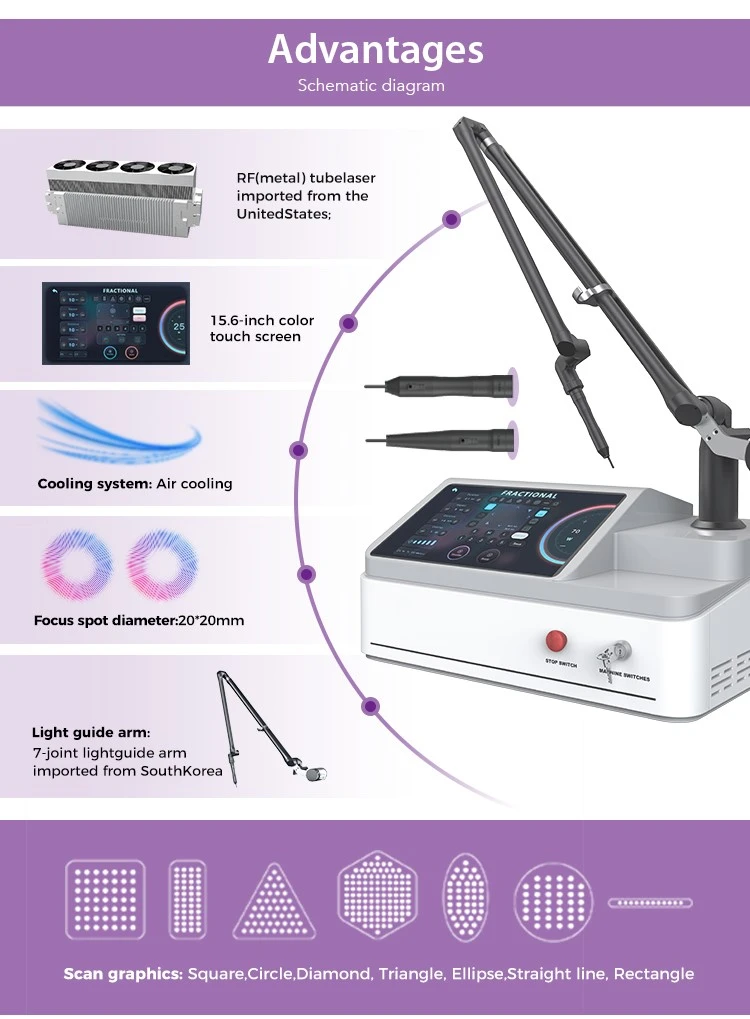
Clinics using modern fractional CO₂ laser platforms with adjustable energy, pulse duration, and scanning modes tend to achieve more consistent and predictable results.
Risks and Side Effects to Consider
While CO₂ laser resurfacing has a strong safety profile, potential risks include:
Prolonged redness
Temporary hyperpigmentation
Infection (rare with proper care)
Scarring (very rare when performed correctly)
Most side effects are temporary and manageable when treatment protocols and aftercare instructions are followed.
CO₂ Laser Resurfacing vs. Other Skin Resurfacing Options
When comparing before-and-after results, CO₂ laser resurfacing often delivers more dramatic improvement than:
Non-ablative lasers
Radiofrequency skin tightening
Chemical peels
However, it also involves longer downtime. Patients seeking subtle improvement with minimal recovery may prefer alternative treatments, while those seeking visible, long-term change often choose CO₂ laser resurfacing.
Clinical and Market Trends
Globally, demand for CO₂ laser skin resurfacing continues to grow, driven by:
Aging populations
Increased awareness of laser aesthetics
Advancements in fractional laser technology
Rising acceptance of medical aesthetic treatments
Clinics are increasingly investing in multi-functional CO₂ laser systems that combine resurfacing, scar revision, and gynecological applications, improving return on investment.
Setting Realistic Expectations
Before-and-after images can be powerful, but they must be interpreted correctly. Results vary based on individual conditions and treatment parameters. CO₂ laser resurfacing improves skin quality; it does not stop aging or replace surgical procedures.
Patients who understand the healing process and commit to proper aftercare are more likely to be satisfied with their outcomes.
Laser CO₂ skin resurfacing remains a cornerstone treatment in aesthetic dermatology due to its proven ability to improve wrinkles, scars, texture, and overall skin quality. Before-and-after results demonstrate consistent improvements when treatments are properly planned, performed, and maintained.
With modern fractional technology, recovery times are shorter and results are more predictable than ever before. For patients seeking meaningful skin rejuvenation and clinics aiming to offer high-impact treatments, CO₂ laser skin resurfacing continues to be a reliable and clinically supported option.


