


In the ever-evolving landscape of skincare treatments, individuals are constantly seeking the most effective and innovative solutions to achieve radiant and youthful skin. Two popular procedures that often stand out in this pursuit are CO2 fractional laser and microneedling. In this comprehensive guide, we'll delve into the intricacies of each method, exploring their benefits, differences, and which might be the superior choice for your skincare needs.
Understanding CO2 Fractional Laser
What is CO2 Fractional Laser?
CO2 fractional laser is a cutting-edge cosmetic procedure designed to rejuvenate the skin by utilizing laser technology. The laser targets specific areas, creating microscopic wounds to stimulate collagen production and promote skin regeneration.
Key Benefits of CO2 Fractional Laser
Efficient Collagen Stimulation: The laser's precision enhances collagen production, reducing fine lines and wrinkles.
Improved Skin Texture: It effectively addresses issues like uneven skin tone, scars, and pigmentation.
Long-lasting Results: The procedure can deliver enduring improvements with proper aftercare.
Considerations Before Opting for CO2 Fractional Laser
Before deciding on CO2 fractional laser, individuals should be aware of potential side effects, such as redness and swelling, and the importance of post-treatment skincare to optimize results.
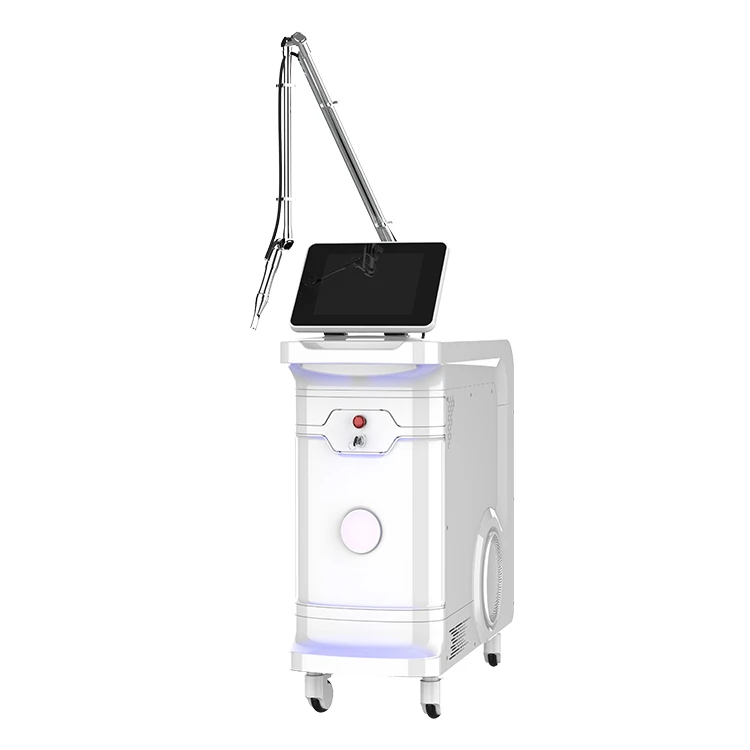
Exploring Microneedling
What is Microneedling?
Microneedling involves the use of a device equipped with fine needles to create controlled micro-injuries in the skin. This process stimulates the body's natural healing response, leading to collagen production and skin renewal.
Key Benefits of Microneedling
Versatility: Microneedling is adaptable and can address various skin concerns, including scars, wrinkles, and enlarged pores.
Minimal Downtime: Compared to more invasive procedures, microneedling generally requires less downtime for recovery.
Suitable for All Skin Types: This treatment is inclusive and can benefit individuals with diverse skin types.
Considerations Before Opting for Microneedling
While microneedling is generally well-tolerated, potential side effects may include redness and mild discomfort. Professional guidance on post-procedure care is crucial for optimal results.

CO2 Fractional Laser vs. Microneedling: The Face-off
Efficacy in Wrinkle Reduction
When it comes to reducing wrinkles, both CO2 fractional laser and microneedling can yield remarkable results. However, CO2 fractional laser is often considered more potent for addressing deep-set wrinkles and lines.
Versatility and Customization
Microneedling takes the lead in versatility, as it can be adjusted to target specific concerns and is suitable for various skin types. CO2 fractional laser, while highly effective, may require more caution for individuals with certain skin conditions.
Downtime and Recovery
Microneedling typically involves minimal downtime, making it a preferred option for those with busy schedules. CO2 fractional laser may require a longer recovery period due to its more intensive nature.
In the debate of CO2 fractional laser vs. microneedling, there is no one-size-fits-all answer. The choice between these treatments depends on individual skin concerns, preferences, and the desired level of invasiveness. For deeper wrinkles and more pronounced skin issues, CO2 fractional laser may be the go-to solution. On the other hand, microneedling offers versatility and a quicker recovery time, making it an attractive option for those seeking a milder approach to skin rejuvenation.
Frequently Asked Questions (FAQs)
1. Can I undergo both CO2 fractional laser and microneedling for enhanced results?
While combining treatments is possible, it's crucial to consult with a skincare professional to determine the compatibility and potential benefits of such a regimen.
2. Are there any long-term side effects of CO2 fractional laser or microneedling?
Both procedures are generally safe when performed by experienced professionals. Long-term side effects are rare, but proper aftercare is essential to minimize any potential risks.
3. How many sessions of either treatment are needed for noticeable results?
The number of sessions varies based on individual skin conditions and treatment goals. A skincare expert can provide a personalized recommendation after assessing your skin.
4. Can CO2 fractional laser or microneedling be performed on sensitive skin?
Microneedling is often considered safer for sensitive skin, but it's crucial to discuss your skin type and concerns with a qualified professional before deciding on a treatment.
5. What is the cost difference between CO2 fractional laser and microneedling?
Costs can vary depending on factors such as location, the professional performing the procedure, and the number of sessions required. A consultation with a skincare specialist can provide accurate pricing details.


