


For many people, stubborn fat is a frustrating problem. Even with diet and exercise, certain areas-such as the abdomen, thighs, arms, or under the chin-can hold on to fat no matter how hard you work. Part of the reason lies in how the human body stores fat. When you gain weight, your fat cells expand. When you lose weight, they shrink, but the number of fat cells often remains the same. This means that while you can reduce their size, those fat cells can still store fat again if you return to old habits.
To permanently get rid of fat cells, you need to physically destroy them so they cannot come back. This can be done through advanced medical or aesthetic treatments, or, in some cases, surgery. Let's explore the science behind fat cell removal, the treatment options available, and how to maintain your results long-term.
1. Understanding Fat Cells and Why They Stay
Fat cells, also called adipocytes, store energy in the form of fat. The number of fat cells in your body is generally set during adolescence and early adulthood. Weight gain happens when these cells expand to store more fat. Weight loss occurs when the stored fat is used for energy, causing the cells to shrink-but not disappear.
This is why people who lose weight through diet and exercise alone may regain fat in the same areas if their calorie intake increases. The only way to permanently reduce the number of fat cells is to destroy them, allowing your body to naturally flush them out.
2. Non-Surgical Ways to Permanently Remove Fat Cells
In recent years, non-invasive fat reduction treatments have become increasingly popular. These procedures target and destroy fat cells without the need for incisions, anesthesia, or significant downtime. Some of the most effective methods include:
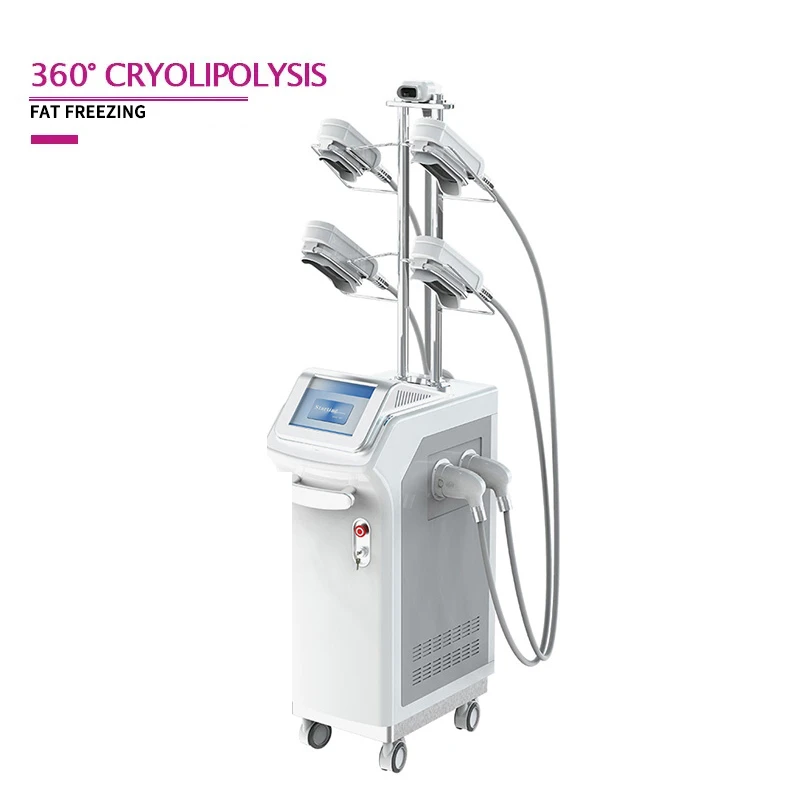
a) Cryolipolysis (Fat Freezing)
Cryolipolysis, often referred to by the brand name "CoolSculpting," uses controlled cooling to freeze fat cells. The cold temperatures cause the fat cells to crystallize and die without harming surrounding tissues. Over the next few weeks, the body processes and eliminates the dead fat cells naturally.
Pros: Non-invasive, minimal downtime, effective for stubborn pockets of fat.
Cons: Multiple sessions may be needed, results appear gradually.
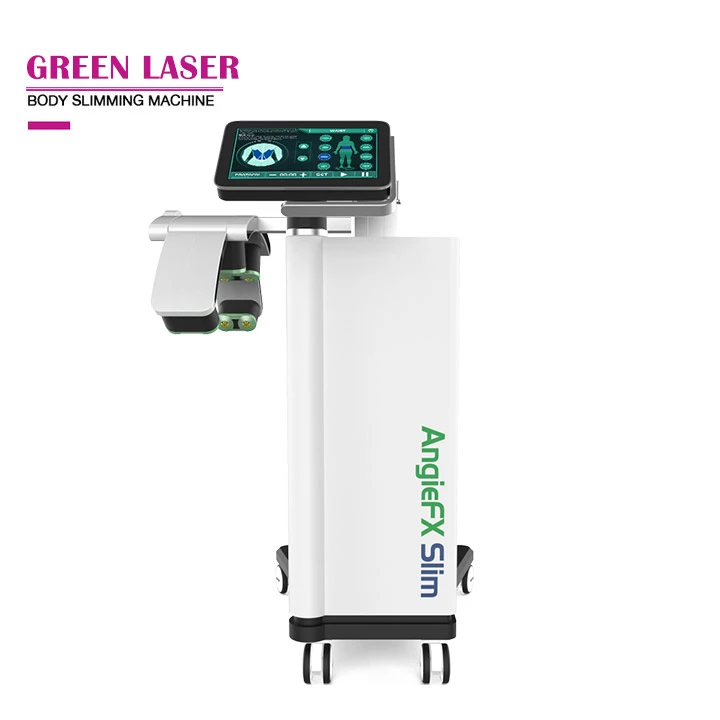
b) Laser Lipolysis
Laser lipolysis, or "laser lipo," uses low-level laser energy to disrupt fat cell membranes. This causes the fat cell contents to be released, after which the body metabolizes and eliminates them.
Pros: Painless, quick sessions, also helps tighten skin in some cases.
Cons: Works best for small to medium areas, requires multiple sessions.
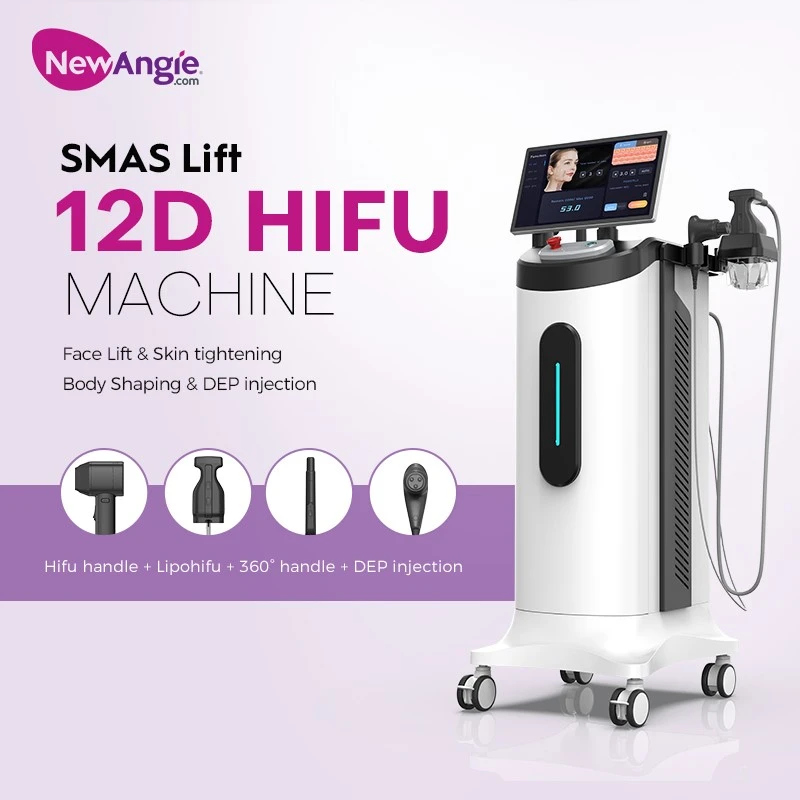
c) High-Intensity Focused Ultrasound (HIFU) Body Contouring
HIFU uses ultrasound energy to heat fat cells to a point where they are destroyed. The heat also stimulates collagen production, helping to tighten skin while reducing fat.
Pros: Dual benefit of fat reduction and skin tightening.
Cons: Best for localized fat rather than large areas.
d) Radio Frequency (RF) Lipolysis
RF energy heats the fat cells, causing irreversible damage that leads to their breakdown. The body naturally processes the destroyed cells over several weeks.
Pros: Comfortable, non-invasive, may improve skin texture.
Cons: Requires a series of treatments for best results.
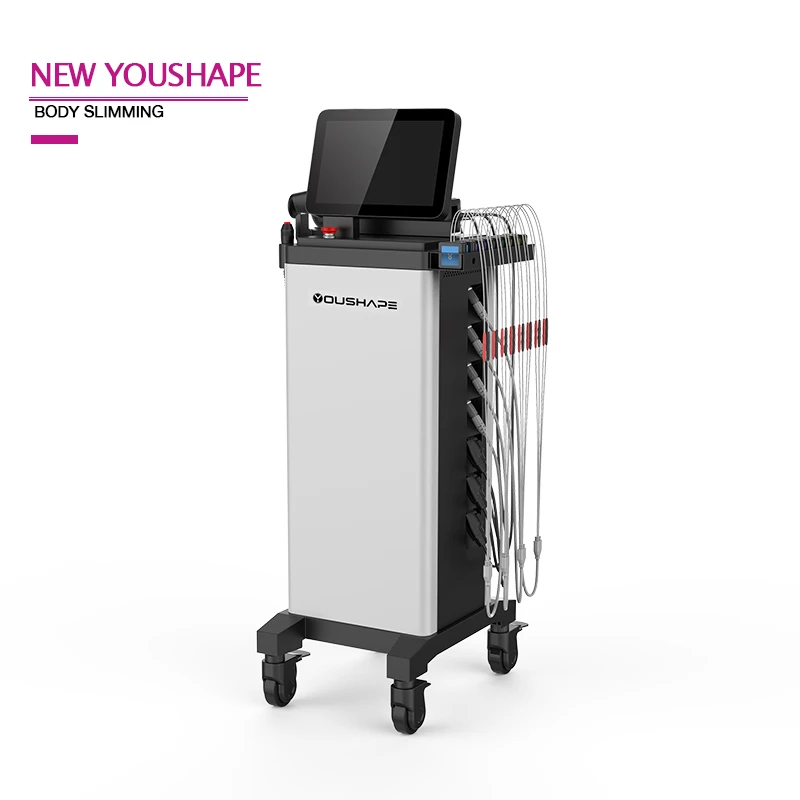
e) Ultrasound Cavitation
This method uses ultrasound waves to create pressure changes in fat cells, breaking their membranes. The fat is then naturally eliminated through the lymphatic system.
Pros: Non-invasive, painless, quick.
Cons: Results are gradual, and multiple sessions are needed.
3. Surgical Fat Removal Options
While non-surgical treatments are increasingly popular, surgical options are still the fastest way to remove a large number of fat cells permanently.
a) Liposuction
Liposuction physically suctions out fat cells through a cannula inserted under the skin. It can remove significant volumes of fat in a single session.
Pros: Immediate and dramatic results.
Cons: Invasive, requires anesthesia, has a longer recovery period, carries surgical risks.
b) Tumescent Liposuction
A modern version of liposuction, this uses a saline and anesthetic solution to make fat removal easier and safer.
Pros: Less bleeding and bruising than traditional liposuction.
Cons: Still invasive and requires downtime.
4. Maintaining Your Fat Loss Results
Once fat cells are destroyed, they cannot regenerate. However, the fat cells that remain can still grow larger if you consume excess calories. To maintain your new shape, it's important to follow healthy habits:
Balanced Diet: Focus on whole foods-lean proteins, fresh vegetables, healthy fats, and whole grains.
Regular Exercise: Combine cardiovascular workouts with strength training to maintain muscle and boost metabolism.
Stay Hydrated: Water supports digestion and helps flush out waste products.
Limit Processed Foods and Sugars: These can contribute to weight gain and fat storage.
5. Choosing the Right Method for You
The best method depends on your goals, budget, and the amount of fat you want to remove.
For small, stubborn areas, non-surgical treatments like laser lipolysis, cryolipolysis, or ultrasound cavitation are ideal.
For larger volumes, surgical liposuction may be more appropriate.
Before starting any treatment, it's important to consult with a qualified professional who can assess your needs and recommend a safe, effective plan.
If you're looking for safe, professional-grade equipment for fat reduction-whether for a clinic, spa, or home-based business-NewAngie offers a complete range of advanced body contouring machines, including laser lipolysis devices, cryolipolysis fat freezing systems, ultrasound cavitation machines, and more. Our technology is designed for lasting results, with expert training and support for every client.
Visit www.hbnewangie.com to explore our machines, request a quote, or speak with our specialists about the right solution for your needs.


