


How Long Does It Take to Recover From Laser Skin Resurfacing?
Laser skin resurfacing is widely recognized as one of the most effective non-surgical treatments for improving skin texture, reducing wrinkles, and minimizing scars and pigmentation. While the results can be transformative, recovery time remains one of the most important considerations for patients and practitioners alike.
A common and critical question is: How long does it take to recover from laser skin resurfacing?
The answer depends on multiple factors, including the type of laser used, treatment depth, individual skin response, and adherence to post-treatment care.
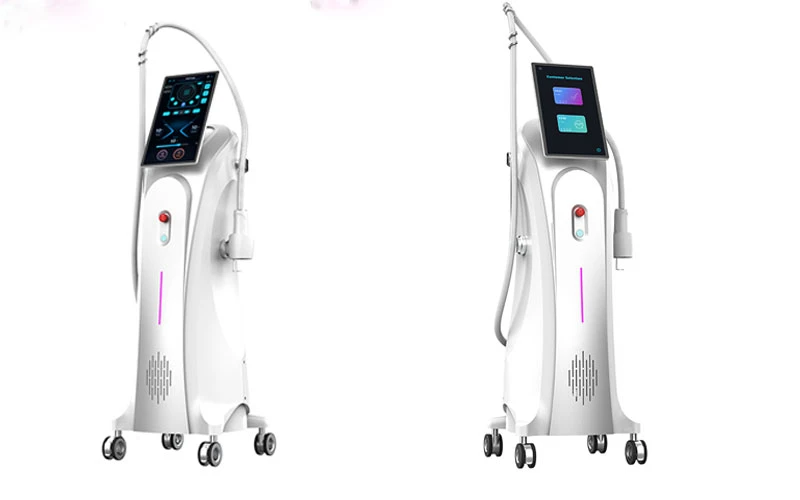
Modern innovations-such as the dual-wavelength 1927nm and 1550nm laser systems developed by Newangie-have significantly reduced recovery periods while maintaining excellent clinical outcomes. This article provides a comprehensive overview of recovery timelines, influencing factors, aftercare strategies, and how advanced Newangie technology supports faster healing and improved patient satisfaction.
Understanding Laser Skin Resurfacing Recovery
Recovery from laser skin resurfacing refers to the period during which the skin heals after controlled thermal injury caused by laser energy. During this time, the body repairs damaged tissue, regenerates skin cells, and produces new collagen.
The recovery process is not only about visible healing but also about internal skin remodeling, which continues for several months after treatment.
Average Recovery Time for Laser Skin Resurfacing
In general, recovery time can range from a few days to several weeks, depending on the treatment type.
Non-ablative laser resurfacing: 1–3 days
Fractional ablative laser resurfacing: 7–14 days
Full-field ablative CO₂ laser resurfacing: 2–4 weeks or longer
These timeframes represent average recovery periods and may vary between individuals.
Recovery Timeline by Laser Type
1. Non-Ablative Laser Skin Resurfacing Recovery
Non-ablative lasers heat the deeper layers of the skin without removing the surface. As a result, recovery is minimal.
Typical recovery experience:
Mild redness and swelling for 24–72 hours
Slight warmth or tightness
No open wounds or peeling
Return to daily activities:
Most patients can return to work and normal activities within one or two days.
Long-term healing:
Collagen stimulation continues for several weeks, with gradual skin improvement over 2–3 months.
2. Fractional Ablative Laser Resurfacing Recovery
Fractional ablative lasers, such as fractional CO₂ lasers, treat microscopic columns of skin while leaving surrounding tissue intact. This approach balances effectiveness with manageable downtime.
Typical recovery experience:
Redness and swelling for 3–7 days
Pinpoint scabbing or crusting
Skin peeling between days 5–10
Return to daily activities:
Most patients return to non-public-facing work within 7–10 days.
Long-term healing:
Skin remodeling continues for 3–6 months, with visible improvement increasing over time.
3. Full-Field Ablative Laser Resurfacing Recovery
Full-field ablative resurfacing is the most intensive procedure and requires the longest recovery period.
Typical recovery experience:
Oozing and swelling during the first few days
Formation of crusts and scabs
Intense redness that gradually fades
Return to daily activities:
Patients typically need 2–4 weeks before resuming normal social and professional activities.
Long-term healing:
Residual redness can last several weeks or months, while collagen remodeling may continue for up to a year.
Newangie Advantage
Newangie's 1927nm + 1550nm dual-wavelength fractional laser combines superficial and deeper dermal treatment in a single platform:
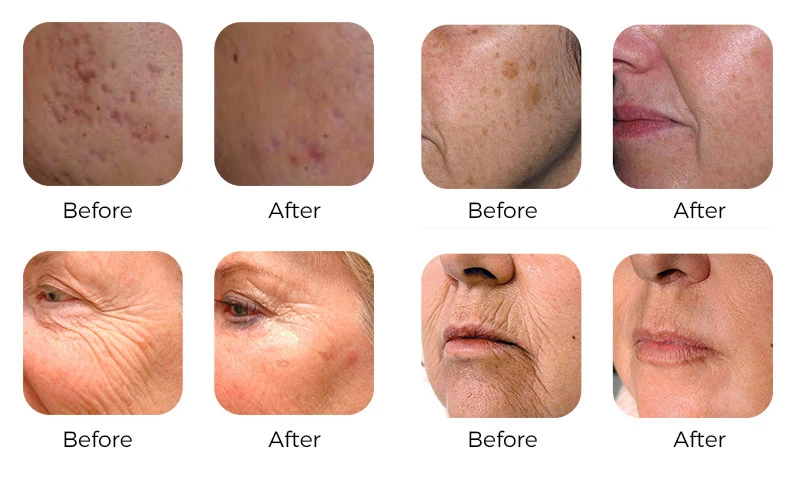
1927nm wavelength: Targets pigmentation and superficial skin concerns.
1550nm wavelength: Penetrates deeper to stimulate collagen and treat scars.
This combination allows clinics to deliver comprehensive results with shorter recovery times, making it an attractive investment for aesthetic professionals.
Day-by-Day Recovery Timeline
Days 1–3: Immediate Post-Treatment Phase
Skin appears red, swollen, and sensitive
Sensation similar to a sunburn
Oozing may occur with ablative treatments
Proper wound care and hydration are critical during this stage.
Days 4–7: Active Healing Phase
Swelling begins to decrease
Skin may darken or form crusts
Peeling and flaking occur
Patients must avoid picking at the skin to prevent scarring.
Days 8–14: Skin Renewal Phase
New skin becomes visible
Redness persists but gradually fades
Texture begins to improve
Makeup may be permitted after the skin surface has healed.
Weeks 3–6: Recovery Stabilization Phase
Redness continues to fade
Skin sensitivity decreases
Pigmentation and texture improvements become more noticeable
Sun protection is essential during this stage.
Months 2–6: Collagen Remodeling Phase
Ongoing collagen production
Gradual firming and smoothing
Continued improvement in wrinkles and scars
This phase determines the final results of the treatment.
Factors That Affect Recovery Time
1. Type of Laser Technology
Ablative lasers require longer downtime, while fractional and non-ablative systems-such as those offered by Newangie-enable faster healing.
2. Treatment Depth and Intensity
Higher energy settings and deeper penetration lead to longer healing times but often produce more dramatic results.
3. Treatment Area Size
Full-face treatments take longer to heal than localized areas such as the under-eye or perioral region.
4. Skin Type and Sensitivity
Darker or more sensitive skin types may experience longer redness and a higher risk of pigmentation changes, requiring cautious recovery protocols.
5. Age and Overall Health
Younger patients and those with good overall health typically heal faster due to stronger regenerative capacity.
Post-Treatment Care and Its Role in Recovery
Proper aftercare significantly influences recovery time and treatment outcomes.
Essential Aftercare Practices
Keep the skin clean and moisturized
Use prescribed healing ointments
Avoid sun exposure and use high-SPF sunscreen
Avoid harsh skincare products
Follow all professional instructions
Patients who adhere to aftercare guidelines often experience faster healing and better results.
Managing Common Side Effects During Recovery
Redness and Swelling
These are normal and expected. Cold compresses and anti-inflammatory medications may help.
Itching and Tightness
As the skin heals, itching may occur. Moisturizers and gentle skincare products can reduce discomfort.
Pigmentation Changes
Temporary darkening or lightening of the skin may occur but often resolves with proper care.
When Can Results Be Seen?
Visible improvement can be seen once the skin heals, but final results take time.
Initial results: 2–4 weeks
Significant improvement: 3 months
Final results: 6–12 months
Collagen regeneration continues long after visible healing is complete.
Returning to Work and Social Activities
Patients often plan treatments around work and social schedules.
Non-ablative treatments: 1–2 days
Fractional ablative treatments: 7–10 days
Full ablative treatments: 2–4 weeks
Open communication with providers helps set realistic expectations.
Recovery vs. Results: Finding the Right Balance
Longer recovery periods often correlate with more noticeable and long-lasting results. Patients must weigh downtime against desired outcomes.
For example:
Mild texture improvement with minimal downtime
Moderate wrinkle reduction with 1–2 weeks recovery
Dramatic rejuvenation with extended recovery
Long-Term Skin Care After Recovery
To maintain results:
Use daily sun protection
Maintain a healthy skincare routine
Avoid smoking
Schedule maintenance treatments if recommended
Good habits can significantly extend the longevity of laser resurfacing results.
Psychological Aspects of Recovery
Patients should be prepared for the emotional impact of recovery, particularly during the first week when the skin looks worse before it looks better.
Understanding the healing process helps reduce anxiety and improve overall satisfaction.
How Newangie Technology Reduces Downtime
Dual-Wavelength Innovation
The 1927nm and 1550nm wavelengths work synergistically to address both superficial and deep skin concerns while maintaining patient comfort and reducing recovery time.
Key Benefits for Clinics
1. Faster Patient Turnover
Shorter downtime allows clinics to treat more patients, improving operational efficiency.
2. Versatile Treatment Applications
Newangie devices can address multiple skin concerns, including:
Pigmentation
Acne scars
Skin rejuvenation
Fine lines and wrinkles
3. Enhanced Safety Profile
Advanced energy control and cooling systems minimize the risk of complications.
4. High Return on Investment (ROI)
Multi-functional capabilities enable clinics to expand their service offerings and increase revenue streams.
5. User-Friendly Interface
Intuitive controls and customizable parameters make the system accessible for practitioners of varying experience levels.
So, how long does it take to recover from laser skin resurfacing?
Recovery time can range from a few days to several weeks, depending on the type of laser resurfacing performed. While non-ablative treatments offer minimal downtime, ablative and fractional resurfacing require patience and proper aftercare to achieve optimal results.
Laser skin resurfacing recovery is a gradual process that extends beyond visible healing. With realistic expectations, professional guidance, and careful post-treatment care, patients can experience significant and long-lasting improvements in skin quality.
As laser technology continues to evolve, recovery times are becoming more manageable, making laser skin resurfacing an increasingly accessible option for those seeking effective skin rejuvenation.
Why Clinics Choose Newangie Laser Systems
1. Comprehensive Product Portfolio
Newangie offers a wide range of aesthetic devices, including:
Fractional CO₂ lasers
Dual-wavelength 1927nm + 1550nm lasers
Diode laser hair removal systems
Q-switched Nd:YAG lasers
HIFU and body contouring equipment
2. OEM/ODM Customization
Clinics and distributors can benefit from tailored branding and system configurations to meet specific market needs.
3. Global Market Experience
With successful deployments across Europe, Asia, and the Americas, Newangie has established itself as a trusted partner in the aesthetic industry.
4. Training and After-Sales Support
Comprehensive training programs and responsive technical support ensure seamless integration into clinical practice.
5. Competitive Pricing with Premium Quality
Newangie combines advanced technology with cost-effective solutions, enabling clinics to maximize profitability.


