


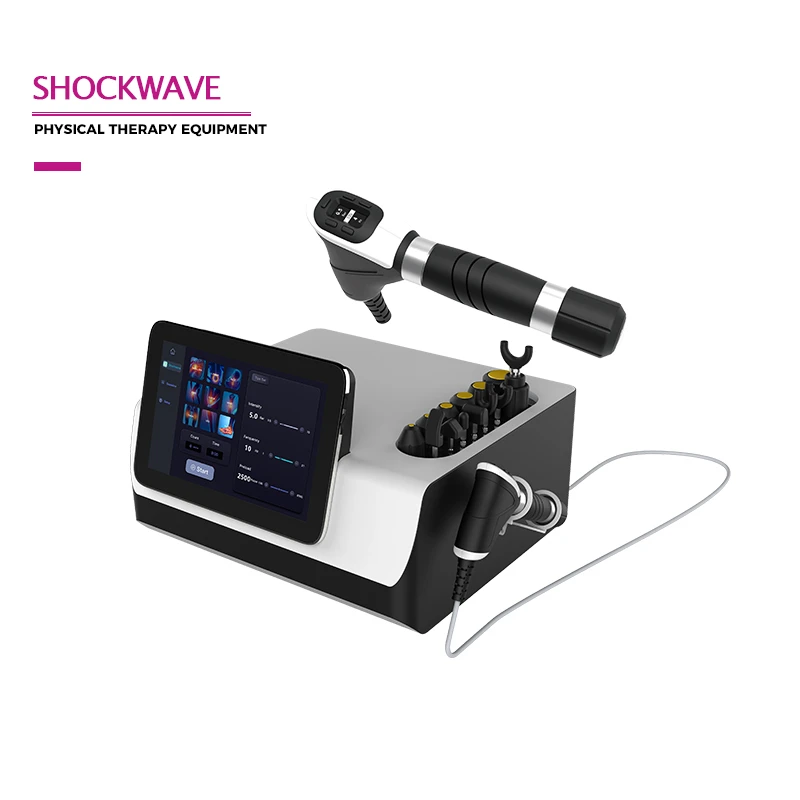
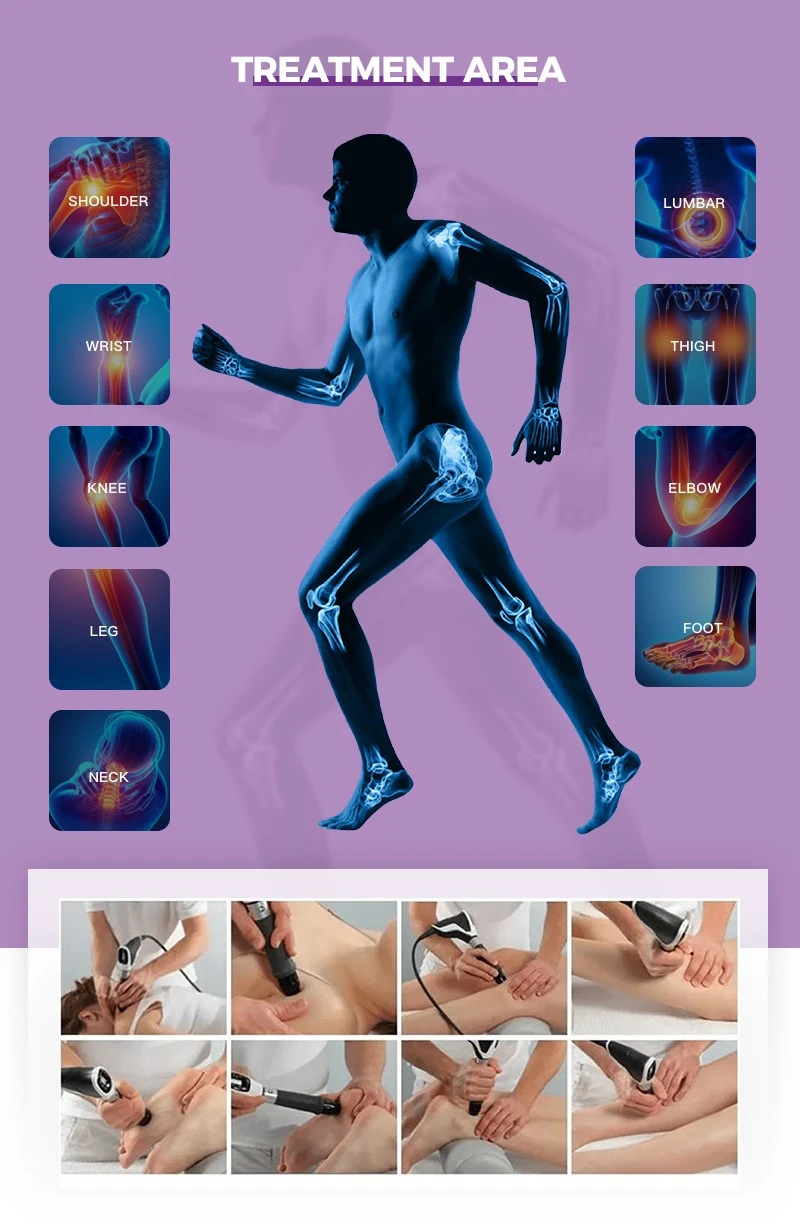
Shock Wave Therapy, also known as Extracorporeal Shock Wave Therapy, is a non-invasive treatment that uses acoustic waves to stimulate healing in bones, tendons, muscles, and other soft tissues. Originally developed to treat kidney stones (lithotripsy), shock wave technology has been adapted for therapeutic use in orthopedics, sports medicine, urology, and aesthetics. This modern therapy is widely used to relieve chronic pain, accelerate recovery, and improve patient outcomes without the need for surgery or medication.
What Are Shock Waves?
Shock waves are high-energy sound waves that travel through the body to target damaged or painful tissue. These waves carry energy from their point of origin to the affected area, where they interact with cells, blood vessels, and nerve endings. The energy delivered by shock waves triggers a biological response that promotes regeneration, repair, and pain relief.
There are two primary types of shock waves used in therapy:
These spread outward from the applicator, treating a larger surface area.
Best for superficial conditions like plantar fasciitis or tennis elbow.
These concentrate energy at a specific depth within the body.
Ideal for deep tissue issues, such as non-healing bone fractures or erectile dysfunction.
The Science Behind Shock Wave Therapy
Shock wave therapy works by stimulating the body's natural healing mechanisms. When the acoustic waves penetrate the tissue, they cause microtrauma or controlled stress in the affected area. This minor, therapeutic injury prompts the body to initiate a healing process, including:
1. Neovascularization (Formation of New Blood Vessels)
Shock waves stimulate the release of growth factors such as vascular endothelial growth factor (VEGF) and endothelial nitric oxide synthase (eNOS). These molecules promote the growth of new capillaries and improve blood circulation in the affected tissue, enhancing oxygen and nutrient supply for faster healing.
2. Stimulation of Collagen Production
Collagen is essential for tissue repair. Shock wave therapy activates fibroblasts-the cells responsible for collagen production. Increased collagen improves the strength and flexibility of tendons and ligaments.
3. Breakdown of Calcifications
In conditions like calcific tendinitis, calcium deposits form within tendons. Shock waves help break down these deposits into smaller particles, which the body can reabsorb naturally.
4. Pain Reduction through Gate Control and Substance P Regulation
Shock wave therapy influences pain perception in two ways:
It interrupts pain signals by overstimulating nerve endings (gate control theory).
It reduces levels of Substance P, a neurotransmitter associated with pain and inflammation. Lower Substance P levels lead to reduced sensitivity and inflammation in the treated area.
5. Cellular Repair and Regeneration
The mechanical pressure from shock waves increases cell membrane permeability, allowing cells to exchange nutrients and waste more efficiently. This enhances cell metabolism and promotes regeneration of damaged tissues.
Advantages of Shock Wave Therapy
Non-Invasive: No surgery, no needles, no scarring
Safe and Painless: Minimal discomfort during treatment; no anesthesia needed
Quick Recovery: No downtime or recovery period; suitable for active individuals
High Success Rate: Clinically proven effectiveness for chronic conditions
Cost-Effective: Reduces need for long-term medication or invasive procedures


