


Tattoos are designed to be permanent. The ink is placed deep within the skin's dermis layer, making it resistant to natural fading or simple topical treatments. Yet, with the rise of modern laser technology, millions of people worldwide are successfully removing tattoos that no longer match their lifestyle or preferences. But how exactly does laser tattoo removal work?
The Science Behind Laser Tattoo Removal
Laser tattoo removal relies on a principle called selective photothermolysis. In simple terms, this means that laser energy can specifically target certain pigments in the skin without damaging the surrounding tissue.
Targeting Ink Particles: When a tattoo is applied, ink particles become trapped in the skin. The body recognizes these particles as foreign, but they are too large for immune cells to fully break down. This is why tattoos remain in place for years.
Laser Energy: A laser emits short, intense bursts of light at specific wavelengths. These wavelengths are carefully chosen to be absorbed by tattoo ink pigments.
Fragmentation: The ink particles absorb the laser's energy, which shatters them into much smaller fragments.
Natural Clearance: Once the ink is broken down, the body's immune system gradually clears away the smaller particles over weeks and months.
Why Multiple Sessions Are Needed
Tattoo removal isn't instant. Since tattoos are made up of layers of ink at different depths, multiple treatments are needed to reach all particles. After each session, the body's immune system needs time to flush out the shattered ink before another session can be effective.
On average:
Black ink is easiest to remove because it absorbs all laser wavelengths.
Colors like green, yellow, and blue are more challenging and may require specialized wavelengths.
Professional tattoos often take longer to remove than amateur ones because they contain denser and deeper ink.
Types of Lasers Used
Q-Switched Lasers – Deliver nanosecond pulses; have been the traditional gold standard for decades.
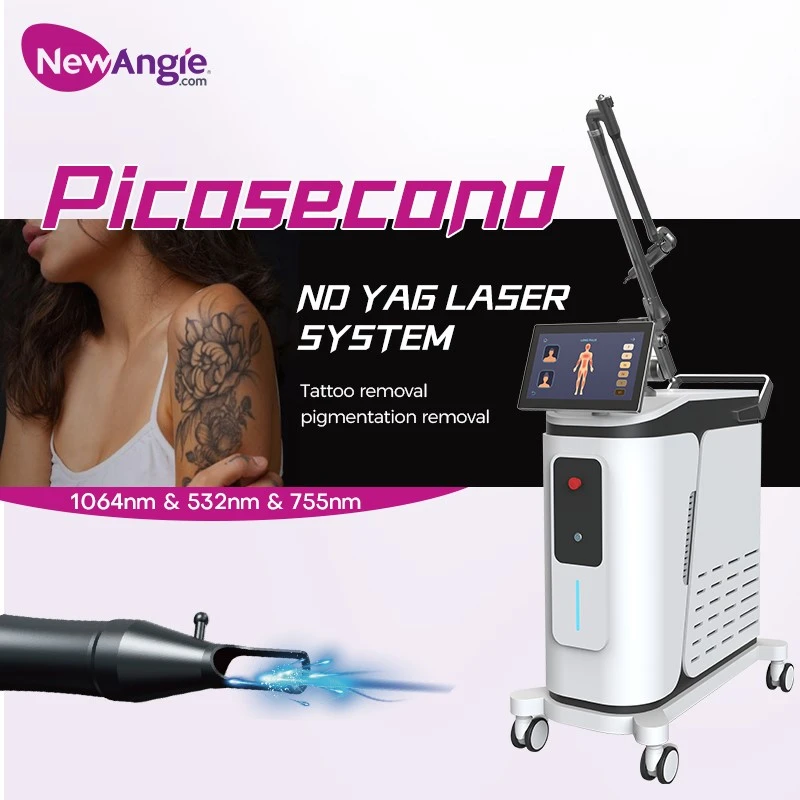
Picosecond Lasers – Use even shorter pulses (trillionths of a second), breaking ink into finer fragments for faster clearance and fewer sessions.
Multi-Wavelength Devices – Allow clinics to treat a wider range of ink colors effectively.
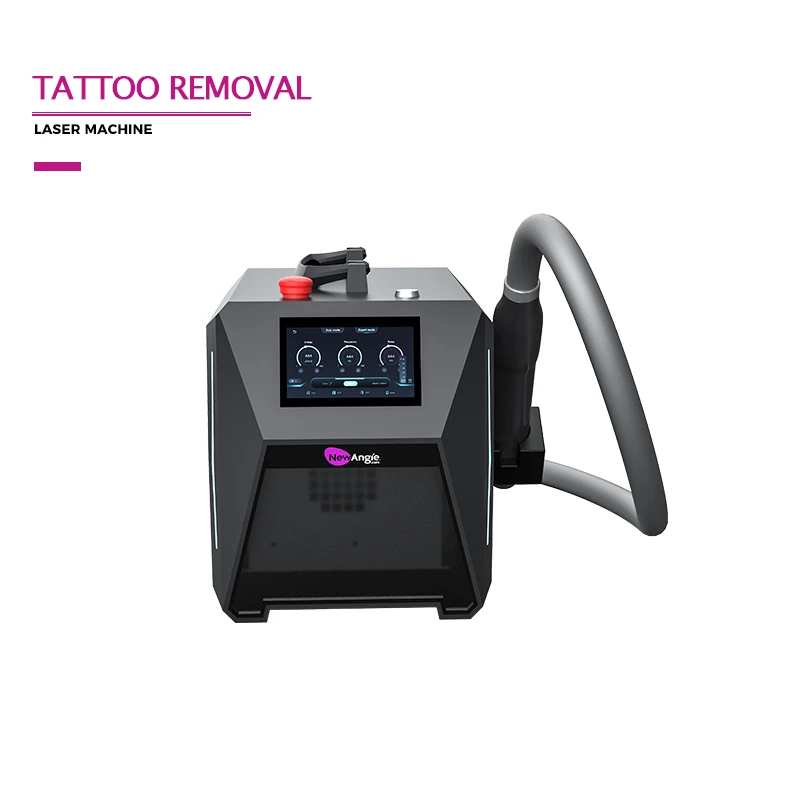
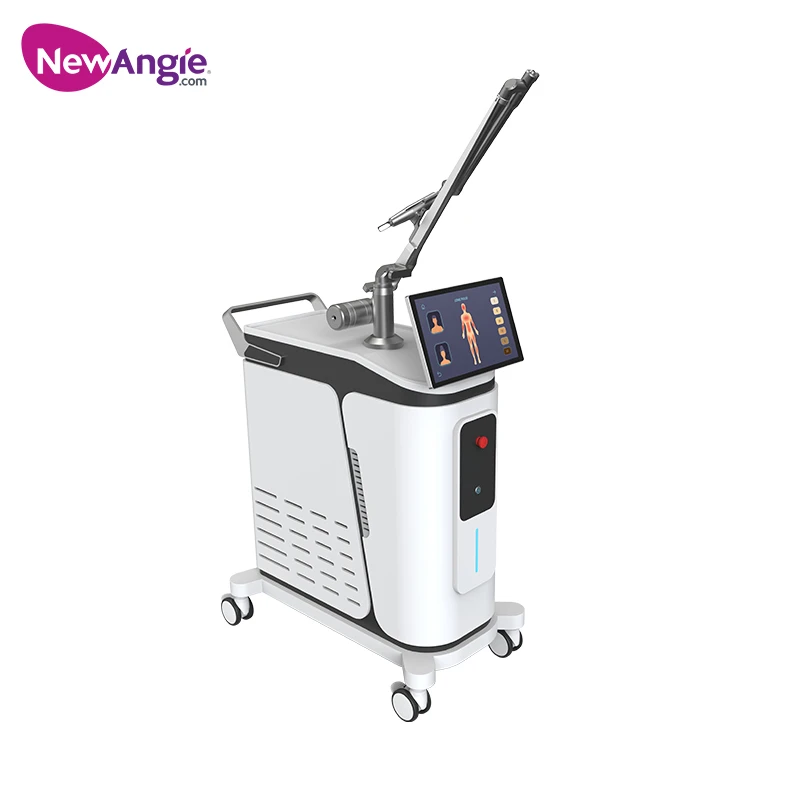
Brands like NewAngie are increasingly developing advanced multi-functional laser systems, combining efficiency with patient comfort.
Patient Experience
A typical laser tattoo removal session lasts between 10–30 minutes, depending on tattoo size. Most patients describe the sensation as similar to rubber band snaps against the skin. Cooling systems or topical numbing creams are often used to reduce discomfort.
After treatment:
Skin may appear red or swollen for a few days.
Temporary scabbing or lightening of skin is normal.
Results gradually improve over several weeks as ink particles clear.
Safety and Effectiveness
Laser tattoo removal is considered the safest and most effective method available today. Unlike older techniques such as dermabrasion or surgical excision, lasers minimize scarring and allow for selective targeting of ink.
Success depends on:
Tattoo age, size, and ink color.
Skin type and healing ability.
Technology and expertise of the practitioner.
With advanced devices like those produced by Newangie, many clinics can now offer faster fading, fewer side effects, and improved results across a wide range of tattoo types.
Laser tattoo removal works by harnessing advanced light energy to break down stubborn ink particles, allowing the body to naturally eliminate them over time. While patience and multiple sessions are required, the process has become far safer and more effective than ever before.
Thanks to innovations in laser technology, individuals now have the freedom to change their skin story-removing old ink and opening space for new beginnings.


