


Cosmetic anti-aging treatments have become a popular trend in today's world, with many people seeking non-invasive ways to improve their appearance. High-intensity focused ultrasound (HIFU) is a top choice for those who want to tighten and lift their skin without surgery. In order to maximize the results of HIFU treatment, it is important to fully understand the procedure, be well prepared, and perform the correct follow-up care. How can you maximize the results of HIFU? This article will reveal to you.
1. What is HIFU?
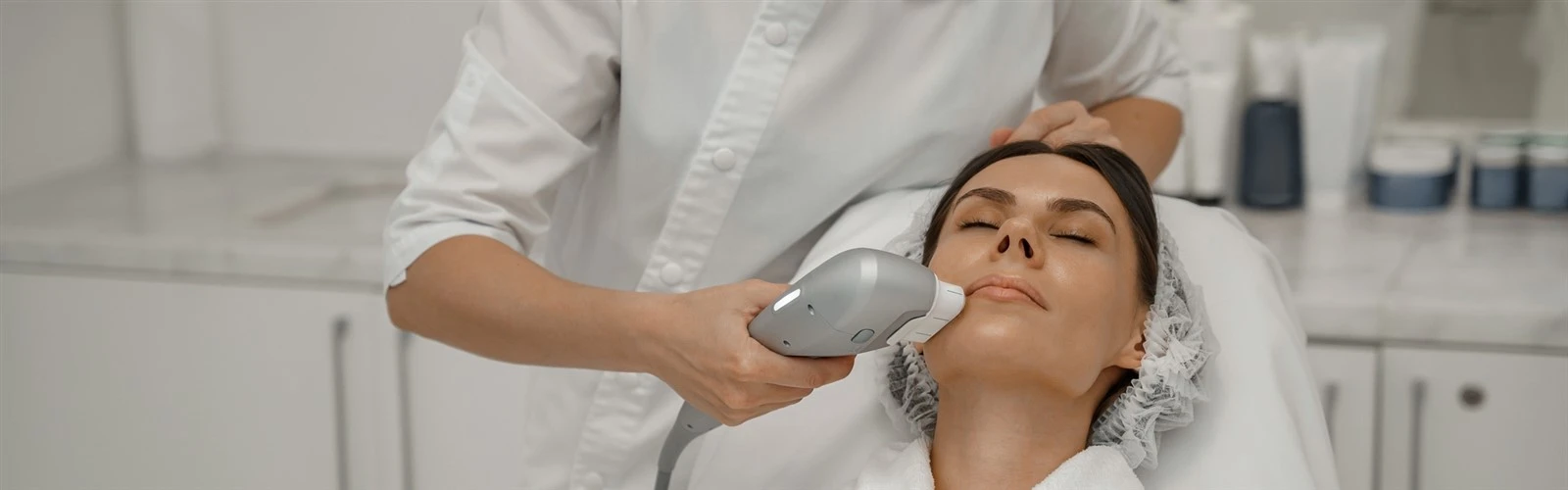
High-Intensity Focused Ultrasound (HIFU) is an advanced, non-invasive medical procedure that utilizes focused ultrasound energy to target specific layers beneath the skin. By delivering precise, controlled ultrasound waves, HIFU induces thermal coagulation points in the deeper dermal and subcutaneous layers, stimulating collagen synthesis and remodeling. This results in significant skin tightening, lifting, and rejuvenation effects without damaging the skin's surface. HIFU is particularly effective for treating mild to moderate skin laxity and offers a viable alternative to surgical facelifts with minimal downtime and a high safety profile.
2. HIFU Treatment Benefits?
One of the significant advantages of HIFU is that it is non-invasive, meaning there is no need for cuts or incisions. The treatment is relatively quick, with most sessions lasting between 30 to 90 minutes. There is minimal downtime, allowing patients to return to their regular activities almost immediately. HIFU also offers natural-looking results, as it works with your body's natural collagen production process.
3. What Issues Can HIFU Address?
▲ Improve skin texture: tighten loose skin around eyes, cheeks, sagging chin
▲ Instantly smooth wrinkles: forehead wrinkles, mouth wrinkles, nasolabial folds, chuanzi lines, eye wrinkles, neck wrinkles, etc. are eliminated in one go
▲ Lift sagging skin: restore lost facial lines to beauty and elasticity
▲ Reshape youthful contours: comprehensively improve skin quality, make skin delicate and more radiant
4. What is the frequency and age range for HIFU treatments?
The ideal frequency for HIFU treatments typically depends on the individual's skin condition and age. Generally, individuals in their 30s to 50s are the best candidates, as they start to experience mild to moderate skin laxity. Most people benefit from an initial treatment followed by maintenance sessions every 12 to 18 months. For those with more significant skin laxity, additional treatments may be recommended within six months to achieve optimal results. Always consult with a qualified practitioner to determine the best treatment plan for your specific needs.
5. How to maximize the effects of HIFU?
1. Combine HIFU with Other Treatments
Enhancing HIFU's efficacy often involves pairing it with other cosmetic procedures:
Microneedling: Microneedling before HIFU can create micro-channels in the skin, improving the absorption and effectiveness of the ultrasound energy. This combination significantly boosts collagen production, leading to more pronounced results. Microneedling creates controlled micro-injuries in the skin, triggering the body's natural healing response and increasing collagen production. When performed before HIFU, it can enhance the overall rejuvenation effect by allowing the HIFU energy to penetrate more deeply and effectively.
Radiofrequency (RF) Therapy: RF therapy works on different skin layers than HIFU, making them complementary. While HIFU targets deeper tissues, RF addresses more superficial layers, providing comprehensive skin tightening and lifting. RF therapy generates heat within the skin, stimulating collagen production and improving skin elasticity. When combined with HIFU, the dual treatment offers a multi-layered approach to rejuvenation, leading to enhanced firmness and contouring.
Laser Treatments: Using laser treatments in conjunction with HIFU can address surface-level concerns like pigmentation and texture, while HIFU works on deeper skin layers. This combination can achieve a more even, youthful complexion. Lasers can effectively treat pigmentation issues, redness, and surface imperfections. Combining them with HIFU allows for a more holistic approach, tackling both superficial and deep skin concerns for comprehensive rejuvenation.
2. Follow an Optimal Treatment Schedule
Begin with an initial HIFU session and consider maintenance treatments every 12-18 months. This schedule allows for sustained collagen stimulation and long-term results, tailored to your skin's needs and aging process.
3. Pre-Treatment Preparation
Ensure proper hydration and avoid sun exposure before your HIFU session. Hydrated skin enhances the procedure's effectiveness, and avoiding UV damage ensures your skin is in optimal condition for treatment.
4. Post-Treatment Care
Use gentle skincare products after HIFU and diligently apply broad-spectrum sunscreen to protect and preserve the collagen-building effects. This helps maintain your skin's firmness and elasticity over time.
5. Healthy Lifestyle Choices
Maintain a balanced diet and regular exercise to support overall skin health. Avoid smoking and excessive alcohol, as these habits can impair collagen production and reduce the longevity of your HIFU results.
Investing in Long-Lasting Results
Maximizing your HIFU results involves more than just the treatment itself; it requires a comprehensive approach, including combining complementary procedures, following an optimal treatment schedule, and maintaining diligent pre- and post-treatment care. By adhering to these strategies, you can achieve more effective, long-lasting results, ensuring your investment in HIFU delivers the youthful, lifted appearance you desire.
To further enhance your results, consider our 12DHIFU product, designed for precise, deep skin tightening and rejuvenation. It's an advanced solution that complements your HIFU treatments, providing exceptional outcomes tailored to your skin type and aesthetic goals. Always consult with a qualified practitioner to develop a personalized plan that integrates the 12DHIFU for optimal benefits.


