1. What does a Pico laser do?
2. What is the disadvantage of Pico laser treatment?
3. How long does the Pico laser effect last?
4. Who is not suitable for Pico?
5. What is the success rate of Pico laser?
6. How many sessions of Pico laser do I need?
7. Can Pico laser remove deep scars?
8. What is the difference between Pico laser and normal laser?
9. Does Pico laser make you look younger?
10. Why is my pigmentation getting darker after pico laser?
11. Which is better, Pico laser or Microneedling?
12. What is better Pico or IPL?
13. How often should I get a Pico laser?
14. Do and don'ts after pico laser?
15. What company makes Pico laser?
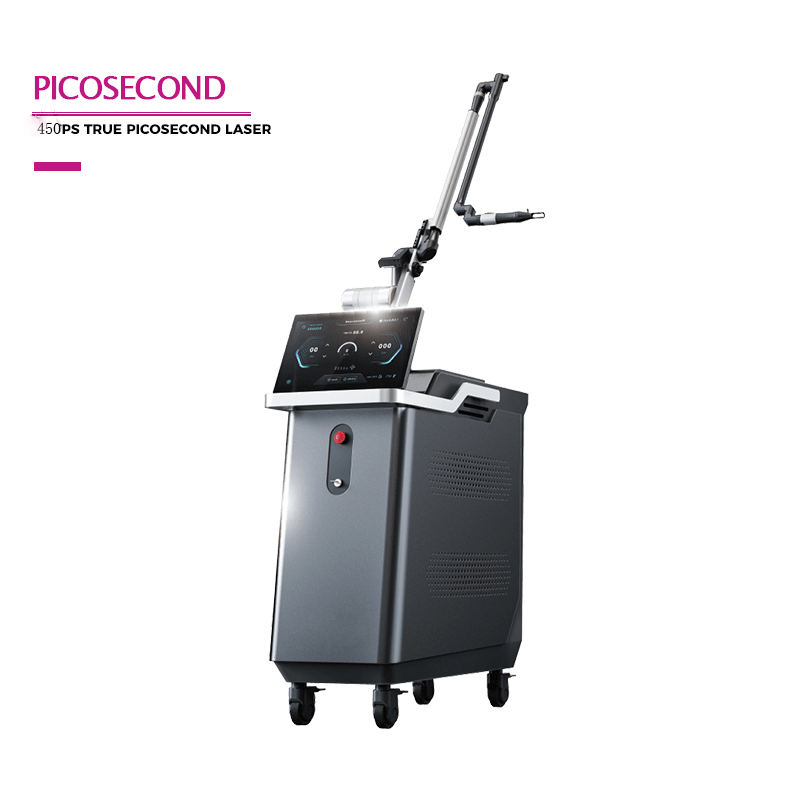
Pico laser is an advanced type of laser technology primarily used for skin treatments. It emits ultra-short pulses of laser energy, measured in picoseconds (one trillionth of a second). This rapid pulse duration minimizes heat buildup, reducing the risk of skin damage and discomfort during treatment. Here's what a Pico laser does:
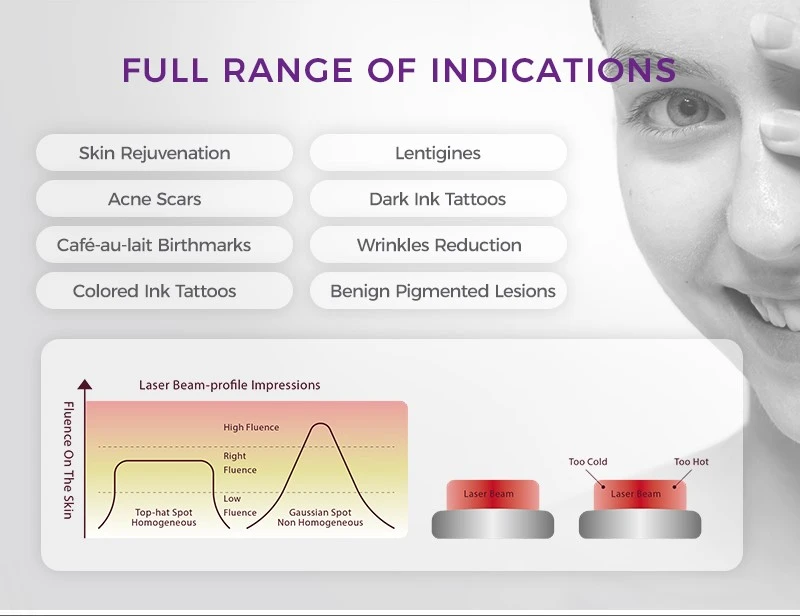
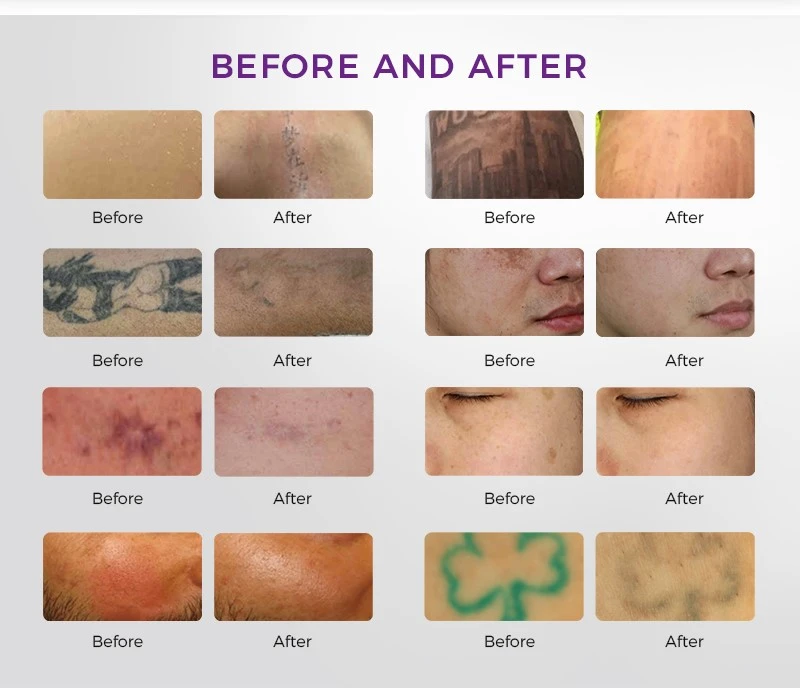
Tattoo Removal: Pico lasers break down tattoo ink into tiny particles that are more easily absorbed and eliminated by the body, making them effective for removing tattoos of various colors.
Pigmentation Treatment: They target and break down melanin, the pigment responsible for dark spots and hyperpigmentation, helping to even out skin tone and reduce the appearance of sun spots, age spots, and melasma.
Skin Rejuvenation: By stimulating collagen production, Pico lasers improve skin texture, reduce fine lines and wrinkles, and promote a youthful appearance.
Acne Scar Treatment: The laser energy helps to remodel scar tissue and stimulate the production of new, healthy skin cells, leading to a smoother complexion.
Reduction of Large Pores: Pico lasers can help tighten the skin and reduce the appearance of large pores.
What is the disadvantage of Pico laser treatment?
While Pico laser treatment offers many benefits, there are some potential disadvantages to consider:
Cost: Pico laser treatments can be expensive, especially since multiple sessions are often required to achieve desired results.
Temporary Side Effects: Common side effects include redness, swelling, and minor bruising in the treated area. These effects are usually temporary but can be uncomfortable.
Multiple Sessions: Achieving optimal results often requires several sessions, which can be time-consuming and costly.
Not Suitable for All Skin Types: People with darker skin tones may be at higher risk for hyperpigmentation or hypopigmentation. It is essential to consult with a qualified dermatologist to determine if Pico laser is appropriate for your skin type.
Potential for Scarring: Although rare, there is a small risk of scarring, especially if the post-treatment care instructions are not followed properly.
Discomfort: While less painful than some other laser treatments, Pico laser can still cause discomfort during and after the procedure. Topical anesthetics are often used to minimize this.
Post-Treatment Care: Proper post-treatment care is essential to avoid complications and achieve the best results, which can be inconvenient for some patients.
Not Effective for All Conditions: While Pico lasers are effective for many skin issues, they may not be suitable for treating all types of skin conditions or scars.
How long does the Pico laser effect last?
The duration of the effects of Pico laser treatment can vary based on the specific condition being treated, the individual's skin type, and their adherence to post-treatment care. Here are some general guidelines:
Tattoo Removal: Once a tattoo is effectively removed with Pico laser treatment, the results are permanent. However, multiple sessions are often required to achieve complete removal, and the number of sessions depends on the tattoo's size, color, and depth.
Pigmentation and Dark Spots: The reduction of pigmentation and dark spots can be long-lasting, but new spots may develop over time due to factors such as sun exposure and aging. Using sunscreen and following a good skincare regimen can help maintain the results.
Skin Rejuvenation and Wrinkle Reduction: The effects on skin texture, fine lines, and wrinkles can last for several months to a few years. The longevity of these results depends on factors like the individual's age, skin type, and lifestyle. Periodic maintenance sessions may be needed to sustain the effects.
Acne Scar Treatment: Improvements in acne scars are generally long-lasting. However, the skin may continue to age and change over time, so ongoing skincare and possible touch-up treatments may be beneficial.
Pore Size Reduction: The reduction in pore size can last for several months, but maintenance treatments might be necessary to sustain the results, especially if you have oily or acne-prone skin.
Pico laser treatment is not suitable for pregnant or breastfeeding women, individuals with active skin infections, those with certain skin conditions like eczema or psoriasis, people with darker skin tones due to the risk of pigmentation changes, individuals taking photosensitizing medications, those prone to keloid scarring, people with autoimmune diseases affecting the skin, individuals who have recently tanned or have a sunburn, and those with unrealistic expectations about the treatment results.
What is the success rate of Pico laser?
The success rate of Pico laser treatments varies depending on the specific condition being treated and individual factors such as skin type and adherence to post-treatment care. Generally, Pico lasers are highly effective and have a high success rate:
Tattoo Removal: Pico lasers are among the most effective technologies for tattoo removal, with success rates often reported around 90% for complete or significant fading. Multiple sessions are typically required.
Pigmentation Treatment: For treating hyperpigmentation, dark spots, and melasma, Pico lasers show success rates of around 70-90%. Results can vary based on the type and depth of pigmentation.
Skin Rejuvenation: Pico lasers are effective in improving skin texture, reducing fine lines, and promoting collagen production, with success rates generally ranging from 70-85%.
Acne Scar Treatment: Pico lasers can significantly improve the appearance of acne scars, with success rates typically around 70-80%. The extent of improvement can depend on the severity of the scars.
How many sessions of Pico laser do I need?
The number of Pico laser sessions you need varies depending on the condition being treated: typically, 6 to 12 sessions are required for tattoo removal, 3 to 6 sessions for pigmentation issues, 3 to 5 sessions for skin rejuvenation, and 3 to 6 sessions for acne scar treatment. The exact number of sessions depends on the severity of the issue and your skin type.
Can Pico laser remove deep scars?
Pico laser technology is effective in improving the appearance of deep scars, including some types of acne scars. By delivering ultra-short pulses of laser energy, Pico lasers stimulate collagen production and remodel scar tissue. Multiple treatments are usually required to achieve noticeable improvement, and results continue to improve over time as collagen continues to rebuild.
What is the difference between Pico laser and normal laser?
The main differences between Pico laser and traditional (or normal) laser treatments lie in their pulse duration, target applications, and effectiveness for certain conditions:
Pulse Duration: Pico lasers emit ultra-short pulses of laser energy in picoseconds (trillionths of a second), whereas traditional lasers typically emit pulses in nanoseconds (billionths of a second). The shorter pulse duration of Pico lasers allows for more precise targeting of pigment and tissues without excess heat buildup, reducing the risk of damage to surrounding skin.
Applications: Pico lasers are highly effective for treating pigmentation issues (like melasma and dark spots), tattoo removal, acne scars, and skin rejuvenation. They can break down pigment particles and stimulate collagen production more efficiently than traditional lasers. Traditional lasers, depending on their wavelength and settings, are used for a broader range of skin treatments, including hair removal, vascular lesions, and resurfacing.
Effectiveness: Pico lasers are generally considered more effective and can require fewer treatments than traditional lasers for certain conditions. For example, Pico lasers often achieve better results in tattoo removal due to their ability to break down ink particles into smaller fragments that the body can eliminate more easily.
Downtime and Side Effects: Pico lasers typically have shorter downtime and fewer side effects compared to traditional lasers, as they cause less thermal damage to the skin. This makes them more suitable for people with darker skin tones or those prone to pigmentation changes.
Does Pico laser make you look younger?
Pico laser treatments can contribute to a more youthful appearance by targeting various signs of aging and skin imperfections. Here's how Pico laser can help you look younger:
Skin Rejuvenation: Pico lasers stimulate collagen production and improve skin elasticity, which can reduce the appearance of fine lines and wrinkles. This results in smoother, firmer skin texture and a more youthful complexion.
Pigmentation Reduction: Pico lasers effectively lighten dark spots, sun spots, and other pigmentation irregularities, promoting a more even skin tone and brighter complexion. This can help reverse sun damage and aging signs caused by uneven pigmentation.
Acne Scar Improvement: By remodeling scar tissue and promoting new collagen formation, Pico lasers can reduce the appearance of acne scars. Smoother skin texture can contribute to a younger-looking appearance.
Tattoo Removal: Removing unwanted tattoos with Pico laser can eliminate signs of past decisions that may contribute to an aged appearance, particularly if the tattoos have faded or changed over time.
Why is my pigmentation getting darker after pico laser?
Experiencing darker pigmentation after Pico laser treatment, known as post-inflammatory hyperpigmentation (PIH), can occur due to several reasons:
Initial Reaction: Immediately after Pico laser treatment, the skin may appear darker due to inflammation and temporary irritation. This usually subsides within a few days to a week as the skin heals.
Melanin Activation: Pico lasers can sometimes stimulate melanin production in the skin temporarily, leading to a darkening of existing pigmentation or the appearance of new dark spots. This typically resolves on its own over time as the skin's natural processes normalize.
Sun Exposure: Exposure to sunlight or UV rays after Pico laser treatment can trigger melanin production in treated areas. Sun protection is crucial post-treatment to prevent pigmentation changes and to maintain the effectiveness of the treatment.
Incomplete Clearance: In some cases, Pico laser treatments may not fully remove all pigmentation in the initial sessions. This can result in residual pigmentation that may appear darker temporarily before further treatments are performed.
Skin Type and Sensitivity: Individuals with darker skin tones or those prone to hyperpigmentation may be more susceptible to experiencing temporary darkening after Pico laser treatment.
If you notice darker pigmentation after Pico laser treatment, it's essential to:
Use Sun Protection: Apply sunscreen with a high SPF daily, even on cloudy days, and avoid direct sun exposure.
Follow Post-Treatment Care: Follow your dermatologist's recommendations for post-treatment care, which may include using gentle skincare products and avoiding harsh chemicals.
Which is better, Pico laser or Microneedling?
Pico Laser:
- Best for those with pigmentation issues, such as dark spots or tattoos, and for deeper skin rejuvenation.
- Suitable if you are looking for a more targeted treatment with quicker visible results.
Microneedling:
- Ideal for improving overall skin texture and reducing the appearance of scars, fine lines, and large pores.
- Better if you prefer a less invasive and more cost-effective option.
The choice between Pico laser and microneedling ultimately depends on your skin concerns and treatment goals.
Both Pico and IPL (Intense Pulsed Light) technologies are used in aesthetic treatments, but they serve different purposes and have distinct advantages.
Pico Technology is better for precise treatments like tattoo removal and targeting pigmentation with minimal downtime.
IPL Technology is more versatile, making it suitable for hair removal, acne treatment, and general skin rejuvenation.
How often should I get a Pico laser?
The frequency of Pico laser treatments depends on several factors, including the specific condition being treated, the desired results, and your skin type. Generally, here are some guidelines:
1. Tattoo Removal: Treatments are usually spaced 4-8 weeks apart. Multiple sessions are often required, typically ranging from 6 to 12 sessions, depending on the size, color, and age of the tattoo.
2. Pigmentation Issues (e.g., sunspots, melasma): Treatments are typically done every 4-6 weeks. The number of sessions can vary, but most people see significant improvement after 2-3 sessions.
3. Acne Scars: Sessions are usually scheduled 4-6 weeks apart. Depending on the severity of the scars, you might need 3-5 treatments.
4. Skin Rejuvenation: For general skin rejuvenation, treatments can be spaced 4-6 weeks apart. Maintenance sessions might be recommended every 6 months to a year, depending on your skin's response and desired outcome.
Do and don'ts after pico laser?
After undergoing a Pico laser treatment, it's essential to follow specific guidelines to ensure proper healing and maximize the benefits of the procedure. Here are some do's and don'ts to keep in mind:
Do's:
1. Follow Aftercare Instructions: Adhere to the specific aftercare instructions provided by your healthcare provider.
2. Keep the Treated Area Clean: Gently cleanse the treated area with mild soap and water.
3. Moisturize: Apply a recommended moisturizer to keep the skin hydrated.
4. Use Sunscreen: Protect your skin from the sun by applying a broad-spectrum sunscreen with at least SPF 30.
5. Stay Hydrated: Drink plenty of water to keep your skin hydrated from the inside.
6. Avoid Excessive Heat: Stay away from hot showers, saunas, and strenuous exercise that can cause excessive sweating for at least 48 hours.
7. Watch for Adverse Reactions: Monitor your skin for any signs of infection, excessive redness, or blistering, and contact your provider if you notice any unusual symptoms.
8. Be Gentle: Avoid scrubbing or rubbing the treated area. Use gentle patting motions instead.
9. Wear Loose Clothing: Wear loose-fitting clothes to avoid irritation of the treated area.
10. Allow Natural Healing: Let any scabs or crusts that form heal naturally without picking at them.
Don'ts:
1. Avoid Sun Exposure: Stay out of direct sunlight and tanning beds for at least two weeks post-treatment.
2. No Harsh Products: Refrain from using exfoliants, retinoids, or any harsh skin care products until the skin fully heals.
3. No Makeup: Avoid applying makeup on the treated area for at least 24-48 hours.
4. Don't Scratch or Pick: Do not scratch, pick, or peel any scabs or crusts that form on the treated area.
5. Avoid Swimming: Steer clear of swimming pools, hot tubs, and oceans until the skin has healed completely.
6. No Smoking or Alcohol: Reduce or avoid smoking and alcohol consumption, as these can impede the healing process.
7. Avoid Physical Exertion: Skip strenuous exercise or activities that cause excessive sweating for the first 48 hours.
8. No Chemical Peels: Refrain from undergoing any chemical peels or laser treatments until your skin has fully healed.
9. No Waxing or Threading: Avoid waxing or threading the treated area until the skin has recovered.
10. Don't Use Unapproved Creams: Avoid using any creams or ointments not recommended by your healthcare provider.
What company makes Pico laser?
NewAngie is a company that manufactures Pico laser equipment. These lasers are known for their effectiveness in various skin treatments, including tattoo removal, pigmentation reduction, and skin rejuvenation. NewAngie's Pico lasers are designed to deliver precise and high-energy pulses to target skin issues with minimal damage to surrounding tissues, providing faster and more efficient results compared to traditional laser treatments.