


As non-invasive cosmetic treatments continue to rise in popularity, Radio Frequency (RF) skin tightening has gained significant attention for its ability to rejuvenate the skin without surgery or downtime. But how effective is it? Can it truly deliver firmer, younger-looking skin? In this article, we'll explore the science, benefits, effectiveness, and limitations of RF skin tightening to help you decide if it's the right solution for your skin concerns.
What is Radio Frequency Skin Tightening?
Radio Frequency skin tightening is a non-invasive cosmetic procedure that uses RF energy to heat the deeper layers of the skin (the dermis). This controlled heat stimulates collagen and elastin production, which helps reduce sagging, fine lines, and wrinkles over time.
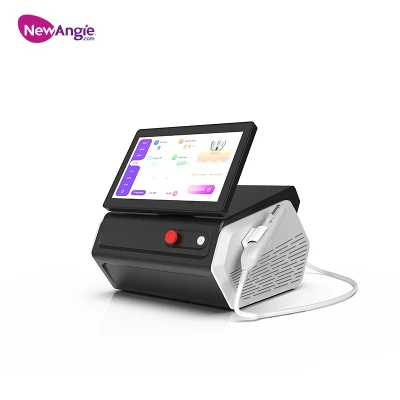
How It Works
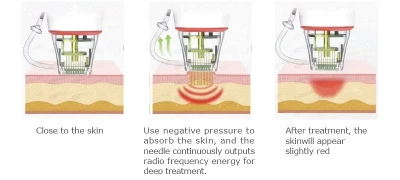
RF devices deliver electromagnetic waves into the skin.
The energy gently heats the dermal layers to about 40°C to 45°C.
This heat causes collagen fibers to contract and stimulates the production of new collagen and elastin.
Over time, the skin appears firmer, tighter, and smoother.
What Skin Concerns Can RF Treat?
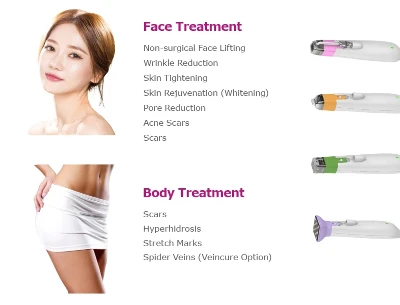
RF skin tightening is commonly used to treat:
Mild to moderate skin laxity on the face, neck, and body
Fine lines and wrinkles
Nasolabial folds
Sagging jawline or jowls
Loose skin on the arms, abdomen, and thighs
Post-pregnancy skin laxity
Is RF Skin Tightening Effective?
Clinical Evidence
Numerous clinical studies and user reviews suggest that RF skin tightening is effective for mild to moderate skin laxity. Results can be gradual but visible within 4–12 weeks, depending on the treatment protocol and device used.
Key Benefits
Non-invasive and painless
No downtime
Safe for all skin types
Gradual, natural-looking results
Can be used in combination with microneedling or ultrasound
Realistic Expectations
RF treatments are not a replacement for a facelift, but they are ideal for individuals with early signs of aging who want to delay or avoid surgery. Multiple sessions are typically required (usually 4–6 sessions spaced 1–2 weeks apart) for optimal results.
RF Skin Tightening Devices
There are two main categories of RF devices:
1. Monopolar RF
Penetrates deeper layers
Ideal for facial and body tightening
Often used in professional clinical settings
2. Bipolar or Multipolar RF
More focused and controlled energy delivery
Suitable for facial treatments and sensitive areas
Some advanced RF machines combine radio frequency with microneedling (RF microneedling) or ultrasound for enhanced results.
Are the Results Permanent?
RF skin tightening offers long-lasting results, but it is not permanent. Maintenance treatments are usually recommended every 6 to 12 months to sustain collagen levels as the natural aging process continues.
Is RF Skin Tightening Safe?
Yes. RF treatments are FDA-cleared and have an excellent safety profile when performed by trained professionals. Side effects are usually minimal and may include:
Temporary redness or swelling
Mild tingling or warmth
Rare instances of burns (if improperly administered)
Patients with pacemakers, metal implants, or active skin infections should avoid RF treatments.
RF Skin Tightening at Home vs. in Clinics
There are many at-home RF devices, but clinical-grade machines typically produce stronger results due to their power and depth of energy penetration.
| Feature | At-Home Devices | Clinical RF Machines |
|---|---|---|
| Power | Low to Moderate | High (more effective) |
| Safety | Generally safe | Requires trained staff |
| Results | Subtle |
More visible, long-term |
Conclusion
So, does radio frequency skin tightening work? Yes - for the right candidate, it can be an effective, non-invasive way to lift, firm, and rejuvenate the skin. While it won't replace a facelift, it's a great preventive and maintenance tool in your anti-aging skincare regimen.
For best results, consult a trusted professional and choose a high-quality RF device like those offered by reputable manufacturers such as Newangie. Whether you're a beauty clinic owner or aesthetic distributor, investing in proven RF technology can help meet the growing demand for non-invasive facial rejuvenation.


