


Tattoos are often deeply personal forms of self-expression, but sometimes, people decide they no longer want them. Whether due to a change in lifestyle, personal preferences, or professional requirements, laser tattoo removal has become the most popular and effective method for erasing unwanted ink.
But before scheduling an appointment, one of the most common questions people ask is: "Does laser tattoo removal hurt?" The short answer is yes-it can cause some discomfort. However, the sensation is usually manageable, especially with modern technology and pain-relief methods.
Understanding How Laser Tattoo Removal Works
To understand why tattoo removal may cause discomfort, it helps to first know how the procedure works.
Tattoo Ink and Skin Layers
When a tattoo is created, ink is deposited into the dermis, the second layer of skin beneath the surface. This is why tattoos are permanent-ordinary shedding of skin doesn't reach deep enough to remove the pigment.
Laser Technology
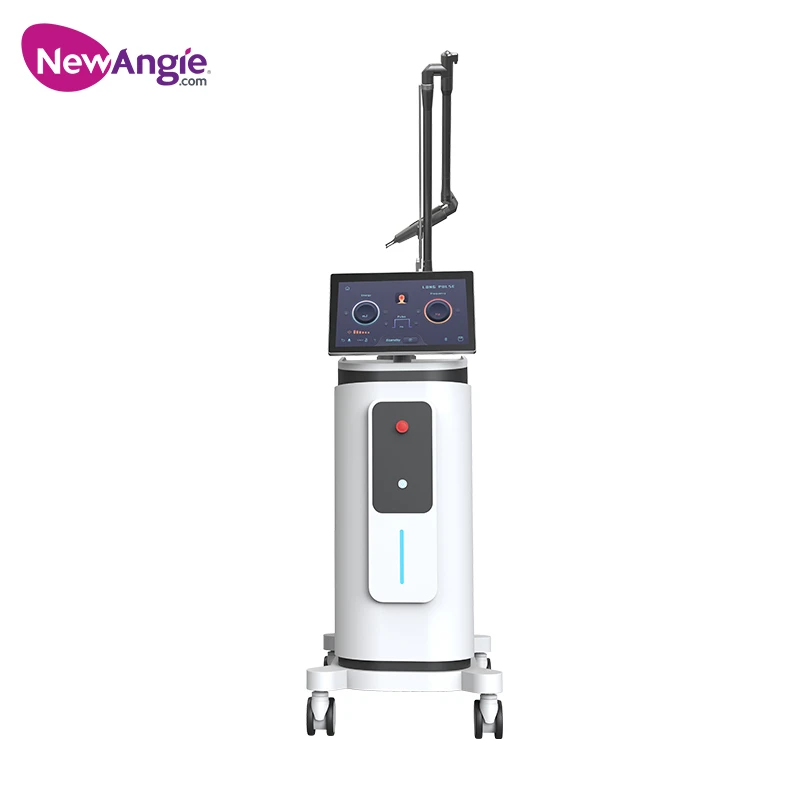
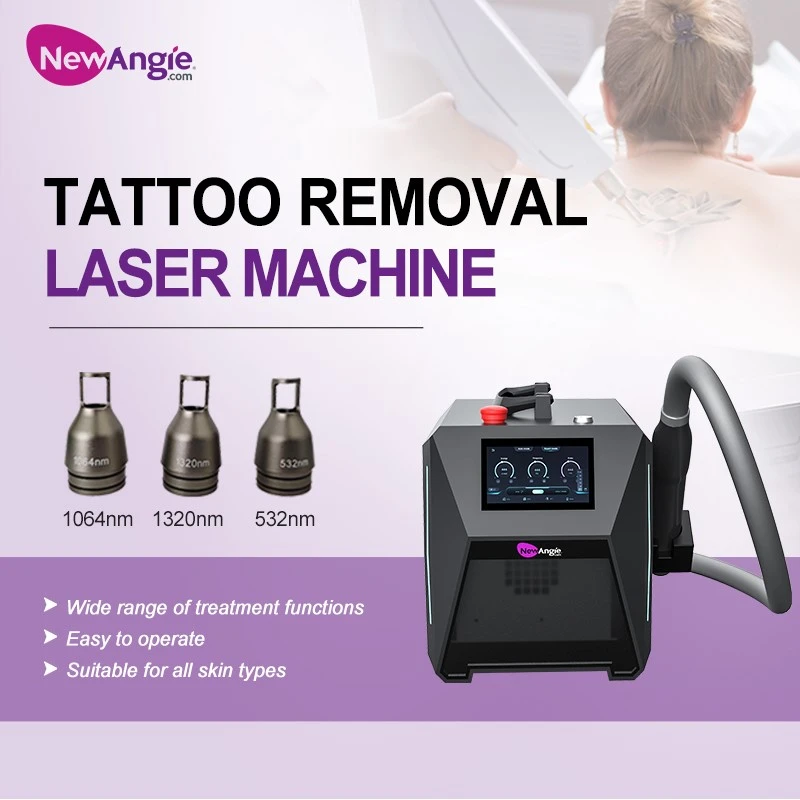
During removal, highly focused Q-switched or Pico lasers send powerful bursts of light energy into the tattooed area. The laser targets specific pigments, shattering the ink particles into tiny fragments.
Body's Natural Healing Process
After the laser breaks down the ink, your immune system gradually clears away the particles. Multiple sessions are needed to fully fade or remove a tattoo because the body processes the ink slowly.
Since this process involves intense bursts of energy and heat applied to the skin, it's natural that patients feel some degree of discomfort.
What Does Laser Tattoo Removal Feel Like?
Most patients describe the sensation in similar ways. Here are the most common comparisons:
A rubber band snapping against the skin – quick, sharp stings with each pulse.
Tiny hot pinpricks – as though the skin is being poked with heated needles.
Mild burning sensation – a warmth that lingers slightly after each laser shot.
The discomfort is generally short-lived. Unlike tattooing, which can take hours, laser sessions are usually much faster-sometimes only a few minutes for small tattoos.
Factors That Affect Pain Levels
Not all tattoo removal experiences are the same. The level of discomfort depends on several factors:
1. Tattoo Location
Some areas of the body are more sensitive because they have more nerve endings or thinner skin.
More sensitive: ribs, ankles, fingers, wrists, and face.
Less sensitive: upper arms, thighs, calves, and back.
2. Tattoo Size and Density
Larger tattoos or designs with heavy ink saturation require more laser passes, leading to more discomfort.
3. Ink Colors
Different colors absorb laser energy differently.
Black ink: easiest to treat, often requires fewer sessions.
Bright colors (red, yellow, green, blue): may need more sessions and stronger pulses, which can increase discomfort.
4. Laser Technology
Modern pico lasers and advanced Q-switched systems are faster and more efficient, meaning less exposure time and reduced discomfort compared to older machines.
5. Pain Tolerance
Pain is subjective. Someone with a high tolerance may barely notice it, while others may find it more intense.
Comparing Tattoo Removal Pain
To put it into perspective, here's how laser tattoo removal compares to other common procedures:
Getting a tattoo: Most people agree removal feels similar but quicker, since the session is much shorter.
Laser hair removal: Tattoo removal is more intense because the laser energy is stronger and penetrates deeper.
Waxing or microneedling: Tattoo removal can be slightly more painful but is over in less time.
In general, most patients describe the pain as tolerable and worth it for the results.
Aftercare and Post-Treatment Sensations
The discomfort doesn't end the moment the laser stops. After a session, patients may experience:
Redness and swelling (similar to a sunburn).
Mild blistering or scabbing as the skin heals.
Tenderness or itching for a few days.
These symptoms are normal and typically resolve within 1–2 weeks. Following proper aftercare-such as keeping the area clean, applying ointment, and avoiding sun exposure-helps minimize discomfort and prevent complications.
Frequently Asked Questions (FAQs)
1. Is tattoo removal more painful than getting a tattoo?
Not usually. The sensations are similar, but removal sessions are much shorter-minutes instead of hours.
2. How long does each session last?
Small tattoos may take only a few minutes, while larger ones could take 20–30 minutes.
3. Can numbing completely eliminate the pain?
Topical creams and cooling methods reduce discomfort significantly, but some mild sensation is usually still felt.
4. Does pain get worse with each session?
Actually, many patients find later sessions less painful because the tattoo becomes lighter and requires less energy to break up.
5. Is tattoo removal safe?
Yes, when performed by trained professionals with medical-grade lasers. Side effects are usually temporary and manageable.


