


HIFU Vs RF Machines: Which Technology Leads In Non-Invasive Skin Lifting?
In the evolving world of aesthetic treatments, High-Intensity Focused Ultrasound (HIFU) and Radio Frequency (RF) machines have gained widespread popularity for non-surgical skin tightening and anti-aging. Both technologies target collagen remodeling, but they differ significantly in mechanism, treatment depth, and results.
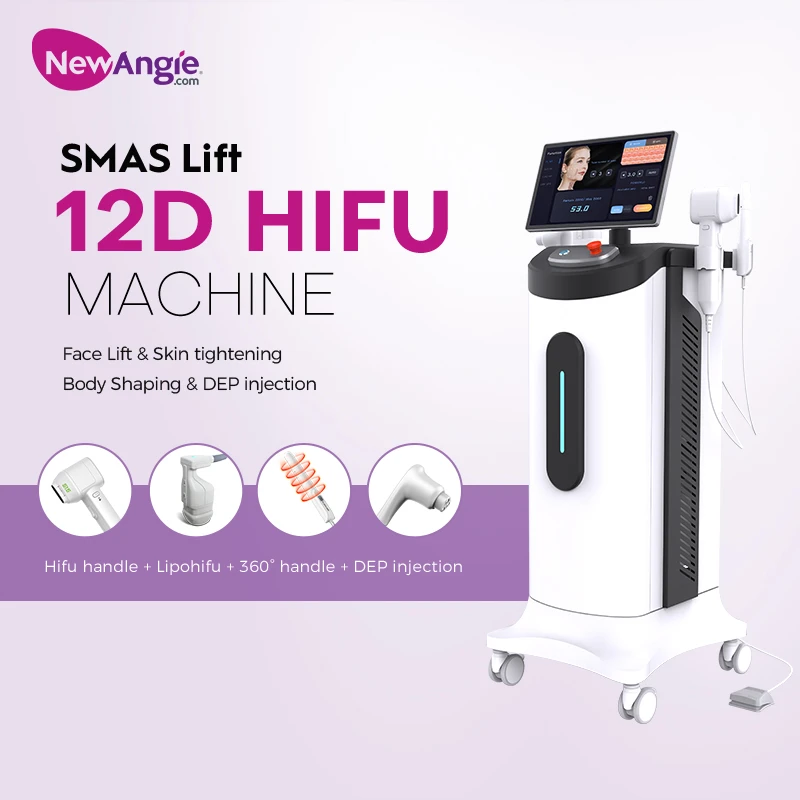
HIFU machinesuse focused ultrasound energy to heat tissue at specific depths (typically 1.5mm, 3.0mm, and 4.5mm beneath the skin surface), creating thermal coagulation points that stimulate the production of new collagen. HIFU can penetrate deep into the SMAS layer-the same layer targeted during surgical facelifts-making it ideal for facial lifting and contouring. Results appear gradually over 2–3 months and can last up to 12–18 months with minimal downtime.
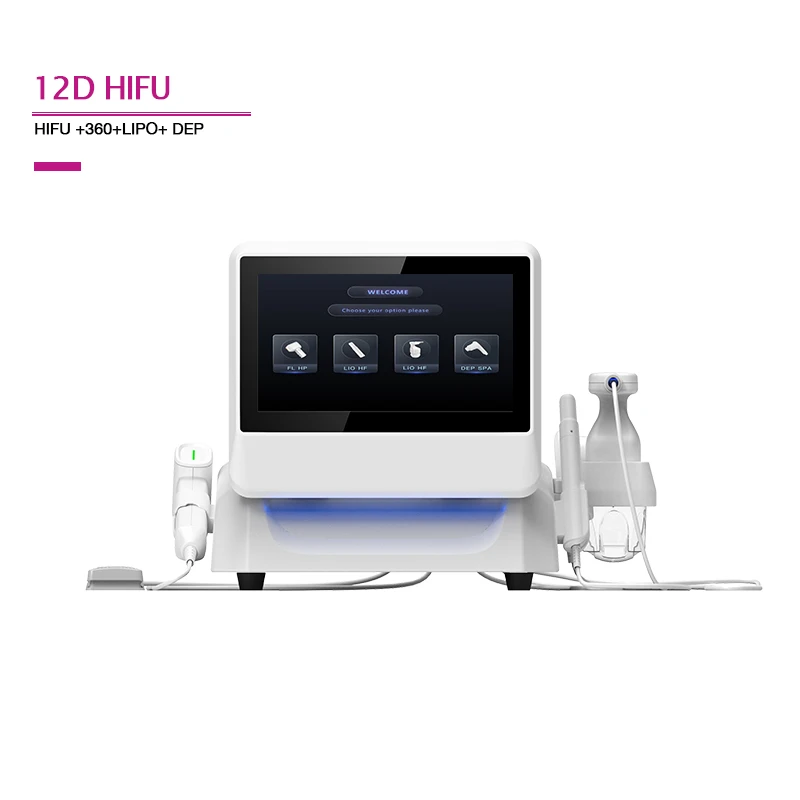
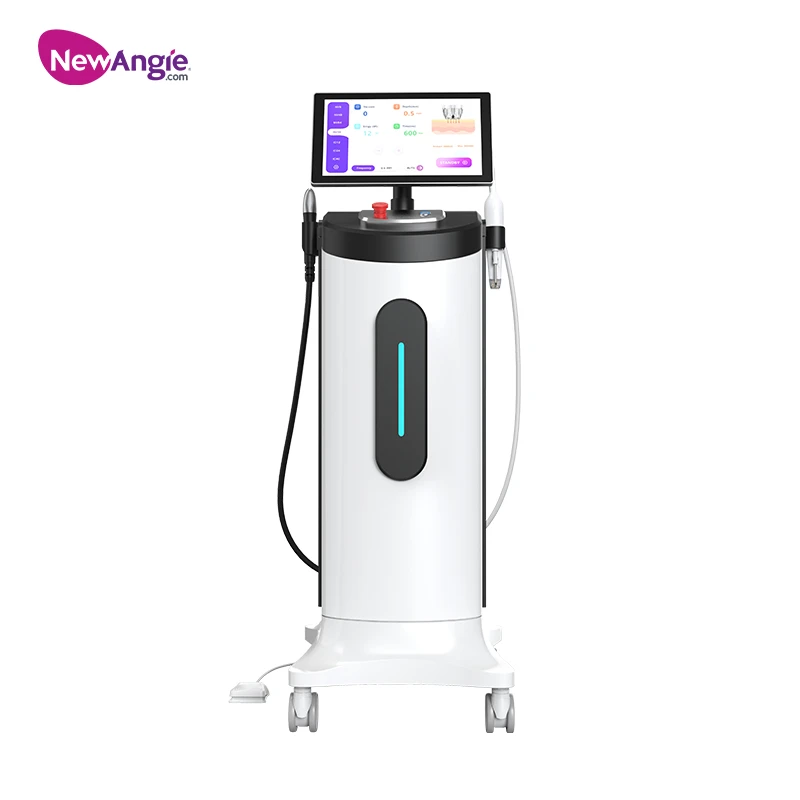
RF machines, on the other hand, use radiofrequency waves to heat the dermal layers of the skin uniformly. This heat triggers collagen contraction and production, making the skin firmer and smoother. RF is often considered more comfortable than HIFU and is especially suitable for overall skin texture improvement, fine lines, and treating larger areas like the abdomen or thighs. RF treatments may require multiple sessions for optimal results, and effects tend to be more subtle but immediate.
Treatment Depth Differences: HIFU Vs RF Explained
HIFU: Penetrating Deep Into the SMAS Layer
HIFU works by delivering focused ultrasound energy into precise layers beneath the skin. Depending on the treatment cartridge, the energy can target different depths:
1.5 mm: Superficial dermis – ideal for fine lines and minor tightening.
3.0 mm: Deep dermis – stimulates collagen in the mid-skin layers.
4.5 mm: SMAS layer (Superficial Muscular Aponeurotic System) – the same layer targeted in surgical facelifts.
By reaching the SMAS layer, HIFU provides a lifting effect from the foundation of facial structure, making it effective for sagging skin on the jawline, neck, and cheeks. The result is more structural firmness and definition, typically visible after 2–3 months and lasting up to 12–18 months.
🔍 RF: Treating the Dermal Layers for Surface Tightening
In contrast, RF uses radiofrequency energy to heat the dermal layers of the skin. This energy is typically delivered in a uniform or volumetric manner, depending on the type of RF machine (monopolar, bipolar, multipolar, or fractional RF). Common treatment depths include:
Up to 3 mm: Targeting the superficial and mid-dermis.
Surface-focused: Stimulating collagen and elastin to improve skin texture, reduce wrinkles, and refine pores.
RF doesn't penetrate as deeply as HIFU but provides more controlled surface-level tightening. It's particularly effective for delicate areas like around the eyes or for improving skin tone and elasticity on broader areas like the abdomen or upper arms.
Comfort & Downtime: Is RF More Tolerable Than HIFU?
When it comes to non-surgical skin tightening treatments, comfort during the procedure and recovery time afterward are two key concerns for clients. While both Radio Frequency (RF) and High-Intensity Focused Ultrasound (HIFU) are popular options, they offer very different patient experiences in terms of sensation, tolerability, and downtime.
🔸 How Does HIFU Feel During Treatment?
HIFU delivers focused ultrasound energy deep beneath the skin, often targeting the SMAS (Superficial Muscular Aponeurotic System) layer, which lies 4.5mm under the skin's surface. This depth is crucial for lifting and firming, but it also means that clients may experience sharp, brief sensations of heat or tingling, especially in areas with thinner skin or near bones like the jawline or forehead.
While most HIFU treatments are tolerable, some clients may describe the sensation as intense or "pin-prick like", especially at higher energy levels. Depending on individual pain thresholds, topical numbing creams or mild painkillers may be used beforehand.
🔸 How Comfortable is RF Treatment?
Radio Frequency (RF) treatments are generally more comfortable because they target the superficial to mid-dermal layers (typically up to 3mm deep). The sensation during RF is often described as a warm, massaging heat. Unlike HIFU's focused and localized energy delivery, RF energy is typically spread more evenly, making the experience gentler and more relaxing.
Most patients find RF sessions painless and soothing, requiring no numbing cream. This comfort makes RF ideal for sensitive areas such as under the eyes, and for clients new to aesthetic treatments.
Best Use Cases: When to Choose HIFU or RF for Clients
Final Recommendation
| Client Concern | Recommended Technology |
|---|---|
| Deep facial sagging | HIFU |
| Jawline contouring | HIFU |
| Fine lines and wrinkles | RF |
| Texture improvement | RF |
| Long-term lifting | HIFU |
| No-downtime treatment | RF |
| Post-lifting maintenance | RF |
| Sensitive or younger skin | RF |
Understanding the differences between HIFU and RF helps beauty professionals recommend the most suitable and effective treatment for each individual, leading to better results and higher client satisfaction.
Combining HIFU And RF Treatments: Can They Work Together?
As aesthetic clinics strive to offer personalized, results-driven skincare solutions, a growing question among beauty professionals is:
Can HIFU and RF treatments be safely and effectively combined?
The short answer is yes - and the benefits can be powerful when done strategically.
Ideal Client Profiles for Combined HIFU + RF:
Clients aged 35+ showing mild to moderate sagging and surface aging
Post-weight-loss clients needing tightening and contouring
Individuals preparing for special events who want both immediate glow and lasting lift
Clients maintaining facelift results without surgery
Which One Should You Choose?
It depends on the client's skin condition and treatment goals. HIFU is preferred for deeper lifting and long-lasting tightening, particularly in the lower face, jawline, and neck. RF is better suited for surface-level concerns such as early signs of aging, loose skin, or texture improvement across broader areas.
For clinics and beauty centers, combining both technologies can deliver comprehensive anti-aging solutions. While HIFU provides depth and structure, RF enhances skin texture and elasticity.
As demand for non-invasive procedures grows, understanding the differences between HIFU and RF helps both practitioners and patients make more informed decisions. When used correctly, both technologies offer powerful, surgery-free options for maintaining youthful, firmer skin.


