


In the evolving field of medical aesthetics and dermatology, energy-based devices have become a cornerstone of non-surgical skin treatments. Among these, ablative laser technologies such as CO2 (Carbon Dioxide) lasers and Er:YAG (Erbium-doped Yttrium Aluminum Garnet) lasers are frequently used for skin resurfacing, scar revision, and wrinkle reduction. Though both laser types offer significant rejuvenation capabilities, they differ in wavelength, depth of penetration, thermal effect, and clinical applications. This comprehensive comparison explores the core differences, benefits, limitations, and best-use scenarios for CO2 and Er:YAG lasers.
Understanding the Technologies
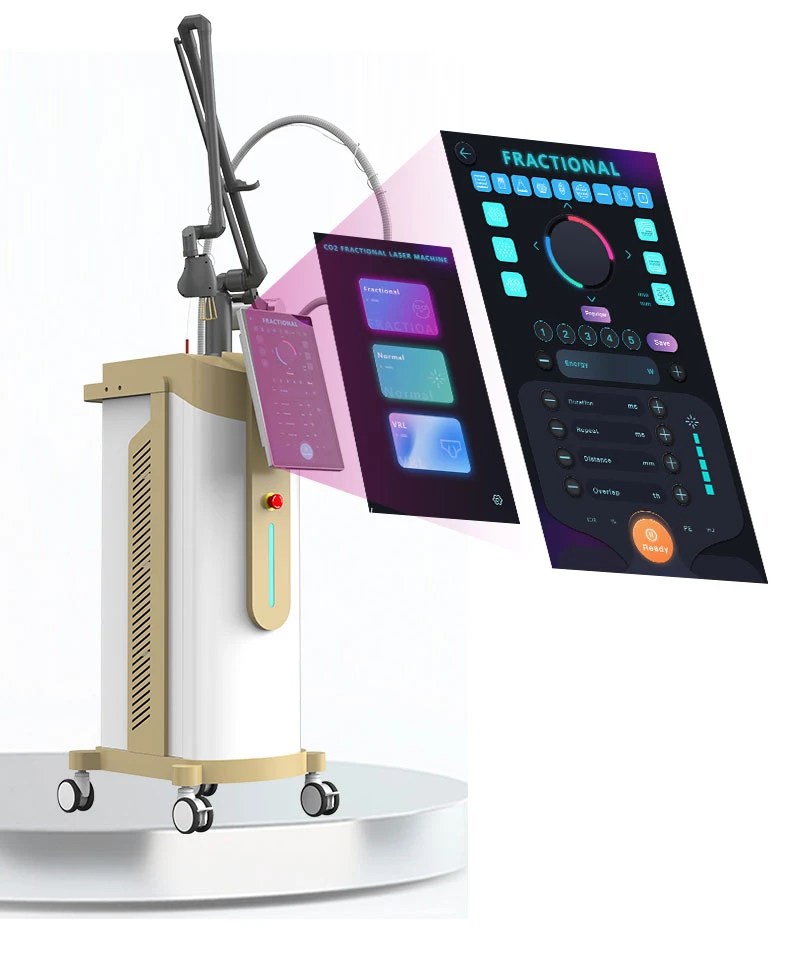
CO2 Laser Technology
CO2 lasers emit light at a wavelength of 10,600 nm, which is well absorbed by water in the skin. This allows the laser to vaporize tissue efficiently and stimulate collagen remodeling in the dermis. CO2 lasers are typically fractional or fully ablative, depending on the device settings.
Key Features:
Wavelength: 10,600 nm
Target: Water in skin tissue
Effect: Ablation + coagulation (thermal damage)
Depth of penetration: Up to 100 microns per pass
Mode: Fractional or full-field
Er:YAG Laser Technology
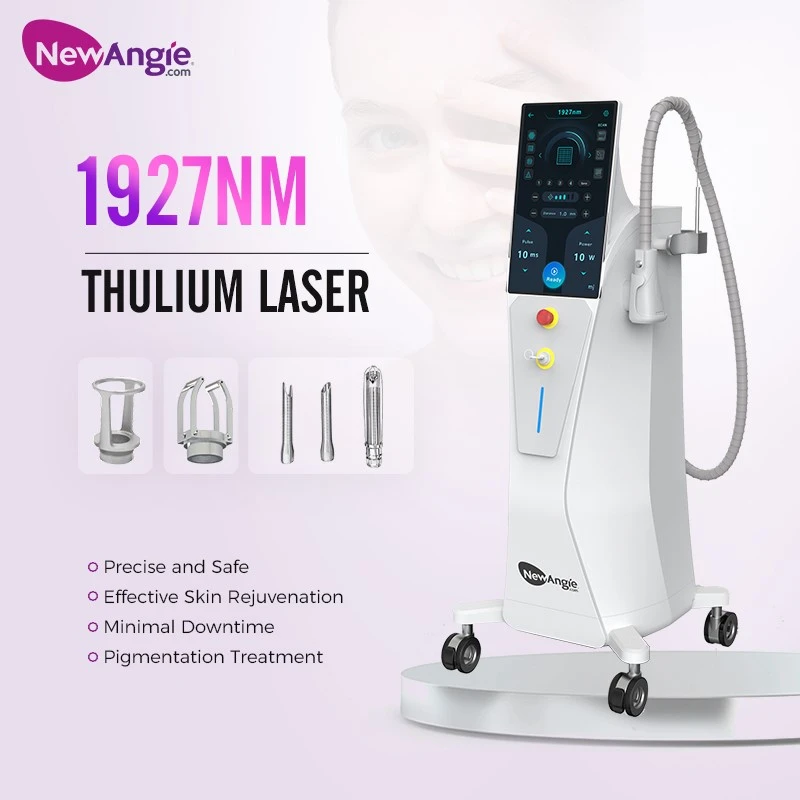
Er:YAG lasers operate at a wavelength of 2,940 nm, which has an even higher absorption coefficient in water than CO2. This makes the laser very precise in ablating tissue with minimal thermal damage.
Key Features:
Wavelength: 2,940 nm
Target: Water (extremely high absorption)
Effect: Precise ablation, minimal thermal injury
Depth of penetration: 1–5 microns per pass
Mode: Fractional or full-field
Comparative Analysis
1. Depth of Penetration and Precision
CO2 lasers can penetrate deeper into the dermis, making them more suitable for treating deep wrinkles and scars.
Er:YAG lasers ablate with extreme precision and minimal thermal diffusion, making them ideal for superficial resurfacing and patients with sensitive skin.
2. Thermal Effect and Coagulation
CO2 lasers create more heat, resulting in coagulation and a stronger wound-healing response, which can lead to greater collagen production.
Er:YAG lasers have limited thermal impact, leading to faster healing but potentially less dramatic collagen stimulation.
3. Downtime and Recovery
CO2 laser treatments generally require longer recovery time (7–14 days), with more post-treatment redness and swelling.
Er:YAG laser treatments offer quicker recovery (3–7 days) due to minimal thermal injury.
4. Effectiveness for Skin Concerns
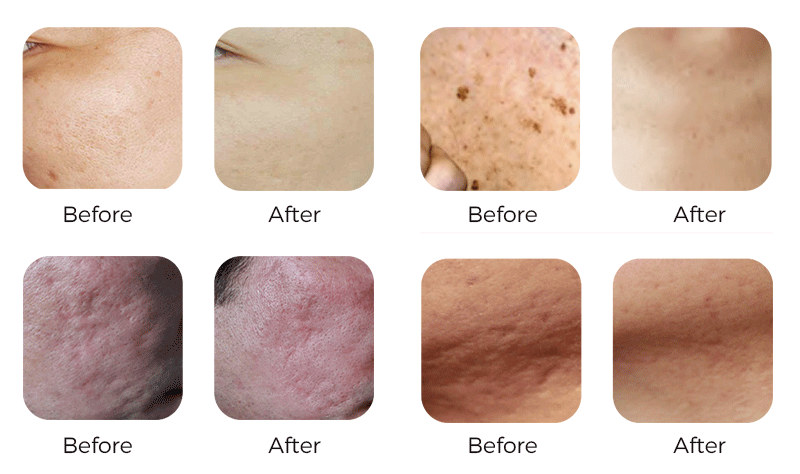
CO2 Lasers: Effective for deep wrinkles, acne scars, surgical scars, and advanced photoaging.
Er:YAG Lasers: Better suited for fine lines, superficial pigmentation, enlarged pores, and mild texture irregularities.
5. Pain and Discomfort During Treatment
CO2 lasers can be more painful due to deeper tissue heating; numbing cream and sometimes sedation are used.
Er:YAG lasers are less painful and often require only topical anesthesia.
6. Risk and Side Effects
CO2 lasers carry a higher risk of side effects such as hyperpigmentation, infection, and prolonged redness, especially in darker skin types.
Er:YAG lasers are safer for darker skin tones and carry a lower risk of complications.
Clinical Applications
| Skin Concern | CO2 Laser | Er:YAG Laser |
|---|---|---|
| Deep Wrinkles | ✓✓✓ | ✓ |
| Acne Scars | ✓✓✓ | ✓✓ |
| Superficial Pigmentation | ✓✓ | ✓✓✓ |
| Skin Tightening | ✓✓✓ | ✓ |
| Large Pores | ✓✓ | ✓✓ |
| Fine Lines | ✓✓ | ✓✓✓ |
| Quick Recovery Needs | ❌ | ✓✓✓ |
Cost and Accessibility
CO2 laser machines tend to be more expensive due to their complexity and the power of the systems.
Er:YAG machines may be more affordable and cost-effective for clinics focusing on lighter resurfacing treatments.
Operating CO2 lasers may also require more training and post-treatment care due to the intensity and depth of the treatment.
Which One Should You Choose?
Choose CO2 Laser If:
Your clinic treats patients with deeper wrinkles and scars.
You aim for long-term collagen remodeling and dramatic skin tightening.
Your clients are comfortable with extended downtime.
Choose Er:YAG Laser If:
You prioritize precision and shorter recovery.
Your patients want gentle resurfacing and have sensitive or darker skin.
You offer lunchtime procedures with minimal post-treatment care.
Both CO2 and Er:YAG lasers offer powerful solutions for skin rejuvenation, but the best choice depends on the clinic's specialization, patient expectations, and skin types treated. CO2 lasers deliver deep, transformative results but require longer downtime and greater caution, especially with pigmented skin. Er:YAG lasers offer safety, speed, and surface refinement, making them ideal for low-risk rejuvenation.
A modern aesthetic practice may benefit from offering both technologies-or a versatile system that combines them-to cater to a wider range of skin concerns and client needs.


